Sports
Brazil draws big crowds at World Cup watch party in Lebanon
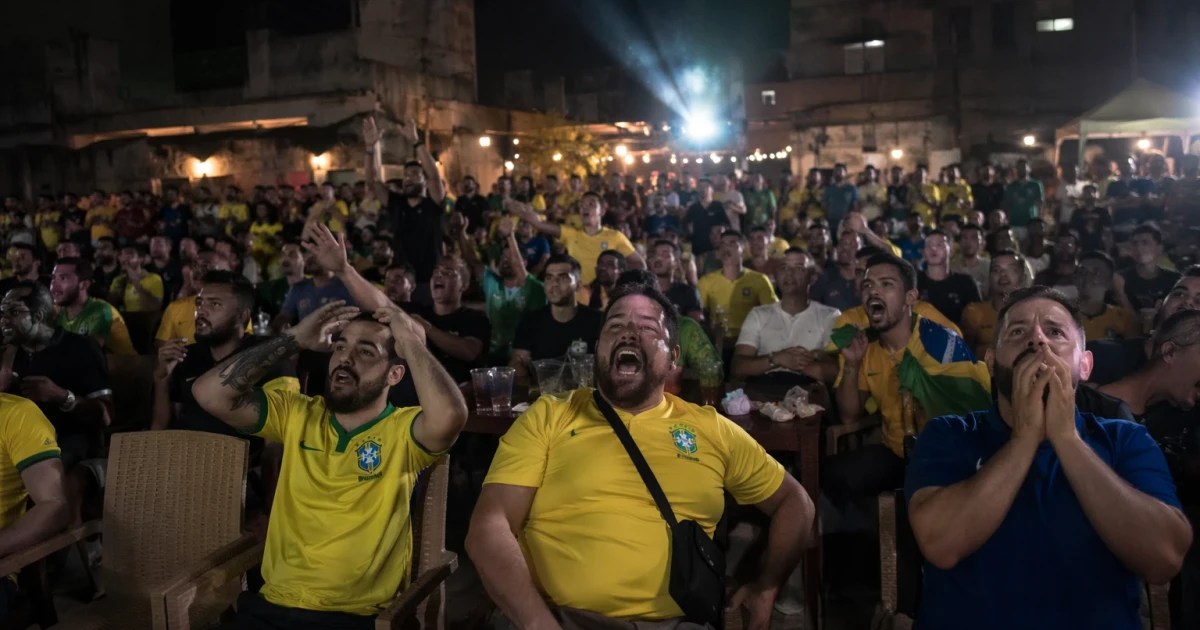
Brazil drew big crowds at a World Cup watch party in Tripoli, where the team’s green and yellow stirred loyalties shaped by more than football. In a city that has long followed Brazil closely, the gathering highlighted how Lebanese family networks, migration and remittances have helped make a foreign national team feel local.
That attachment runs through one of the world’s largest diasporas. Brazil’s Foreign Ministry describes the country as home to the largest Lebanese-descendant community in the world, estimating it at around 10 million people. UN reporting in 2024 put Brazil at the center of the Lebanese world diaspora as well, saying the country is home to the largest Lebanese community worldwide, with around eight million citizens and descendants.
The roots go back to the late 19th century, when major waves of migration from then-Ottoman Mount Lebanon intensified, especially between 1880 and 1930. Economic crisis, political instability, and in some accounts famine and the collapse of the silk industry pushed families to leave, building a transatlantic network that still connects São Paulo, Rio de Janeiro and Brasília with Beirut and Tripoli. Lebanon’s government estimates that about 15 million people of Lebanese descent live outside the country, with Brazil the largest destination.
That history helps explain why a Brazil match can feel personal in northern Lebanon. The Brazilian community in Lebanon is reported at more than 20,000 residents, a visible reminder that the ties run both ways. Money, visits and family links continue to circulate across the two countries, reinforcing the sense that Brazil is not just an imported sporting brand but part of the Lebanese social map.
Tripoli has seen this before. During the 2014 World Cup, when Brazil hosted the tournament from June 12 to July 13, fans in the city celebrated Germany’s semifinal win over Brazil, a scene that showed how deeply invested local supporters were in the competition. The 2026 FIFA World Cup, the 23rd edition and the first to feature 48 teams, is jointly hosted by the United States, Mexico and Canada, giving the tournament an even wider stage for diaspora-backed followings like Lebanon’s Brazil fans.
At the watch party in Tripoli, Brazil’s appeal was visible in the crowd itself: a reminder that migration has left football loyalties layered across generations, with family stories from Mount Lebanon still echoing in the stands and in the streets of Lebanon today.
Sources
- [1]nytimes.com
- [2]gov.br
- [3]news.un.org
- [4]lorientlejour.com
- [5]lbcgroup.tv
- [6]fifa.com