Technology
Brazil forces Apple to allow alternative iPhone app stores

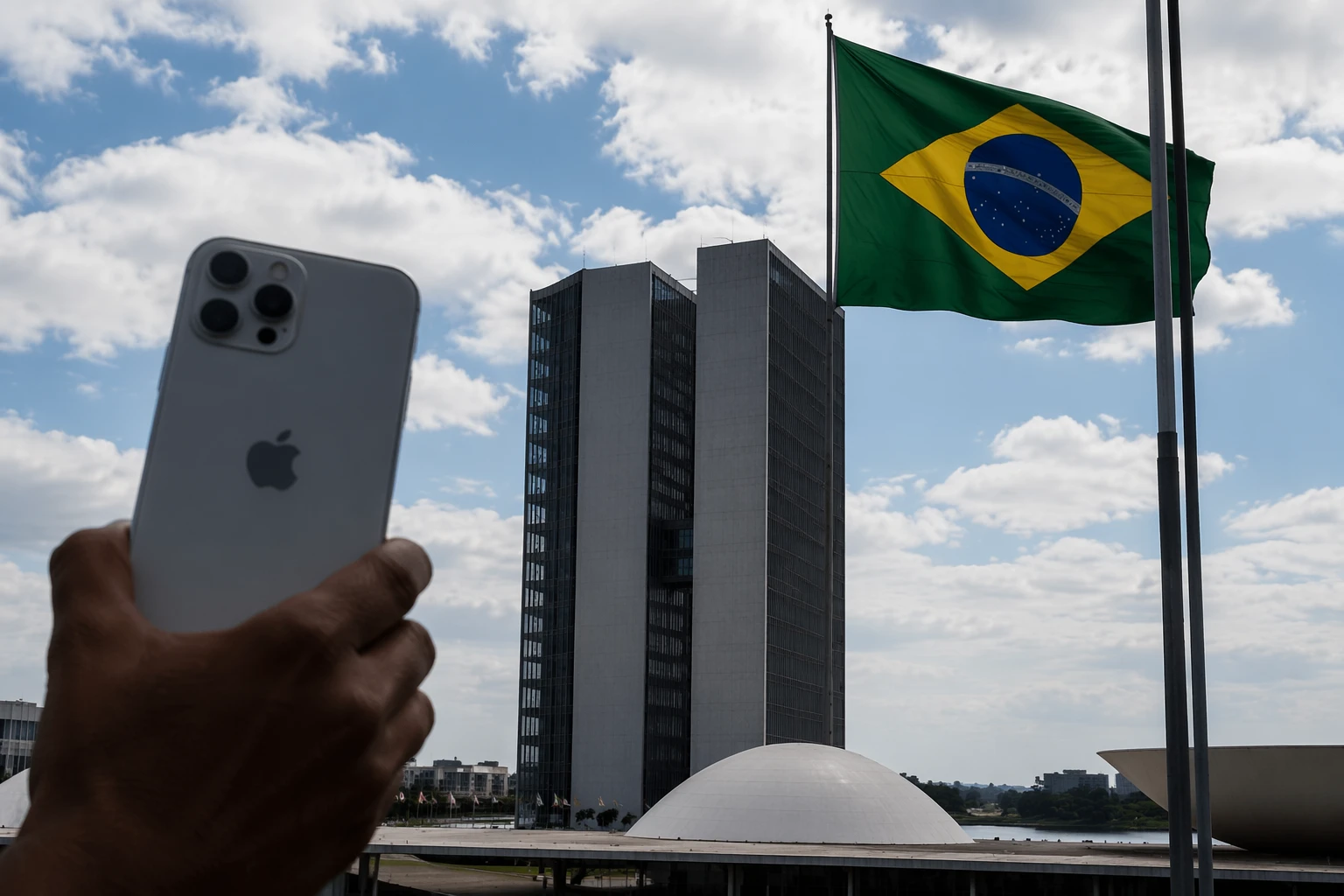
Brazil has forced Apple to loosen one of the iPhone’s tightest control points: who can distribute software and who can process payments inside apps. The change, set to begin with iOS 26.5, lets developers in Brazil use alternative app marketplaces and handle payments outside Apple’s in-app purchase system, a shift that reaches well beyond one national market.
The move grew out of a 2022 case at Brazil’s Administrative Council for Economic Defense, known as CADE, after complaints from Mercado Libre, Mercado Pago and Ebazar.com.br Ltda. CADE said Apple’s conduct included blocking third-party digital goods and services, requiring Apple’s own in-app purchase system and enforcing anti-steering rules that kept developers from pointing users to cheaper options elsewhere. The agency signed a cease and desist agreement with Apple on December 23, 2025, and said noncompliance could bring a fine of up to 150 million reais.
CADE’s opinion says the commitments last three years, with up to 105 days for implementation and up to 120 days for transition, giving Apple and would-be rivals time to build the new system. The framework also includes a monitoring trustee and semiannual compliance reports, underscoring that Brazil is not treating this as a voluntary product tweak but as a supervised antitrust remedy.
Apple says apps distributed outside its store will have to pass notarization, and alternative marketplaces will need authorization and ongoing approval requirements. The company also says the Brazil changes include child-safety protections and safeguards against scams and inappropriate content. Apple has argued that the broader opening creates privacy and security risks, including malware, fraud and other abuse, the same warning it has used in other markets where regulators have pressed for more competition.
Brazil is now part of a wider international squeeze on Apple’s App Store model. The European Commission found Apple in breach of the Digital Markets Act’s steering rules in March 2024, and Apple has already made similar changes in the European Union and Japan. In the United States, the company has also been forced to allow external payment links after the Epic Games litigation. For developers, that means less dependence on Apple’s fees and rules; for users, it means more storefront choice and more payment options, but also a more fragmented iPhone experience. Apple’s one global model is now being rewritten market by market.
Sources
- [1]techcrunch.com
- [2]developer.apple.com
- [3]apple.com
- [4]gov.br
- [5]cdn.cade.gov.br
- [6]ec.europa.eu
- [7]reuters.com