Health
Brazil Monitors Suspected Ebola Cases Amid Global Vigilance
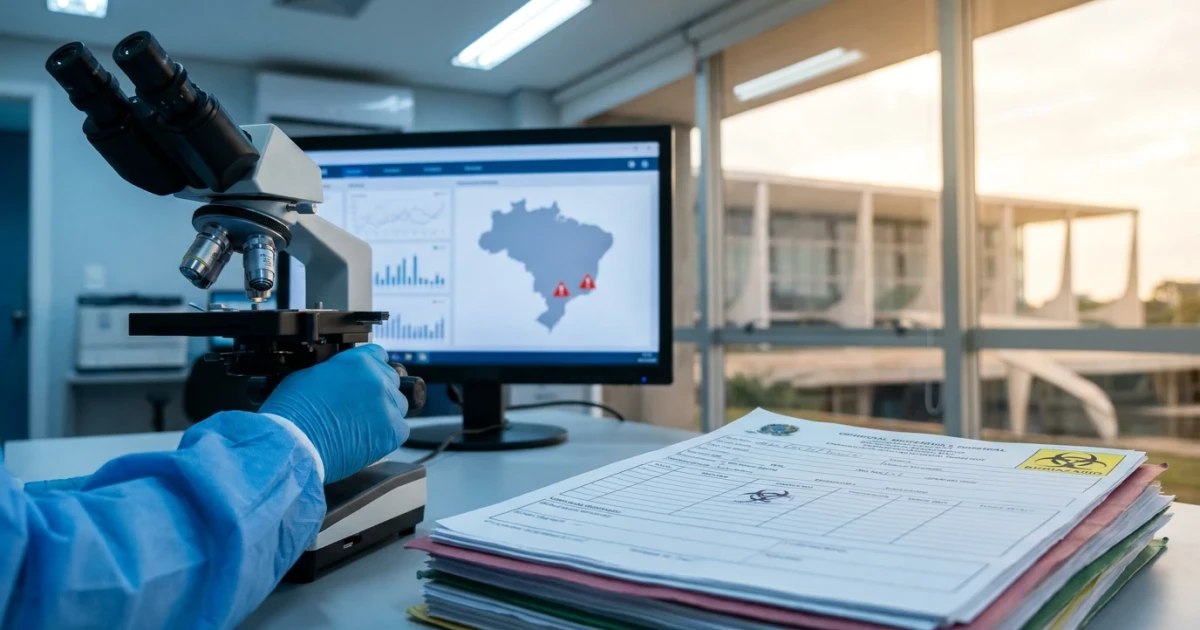
Brazilian health authorities are monitoring two patients for potential Ebola virus infection, stepping up surveillance and preparedness measures as one of the cases has already tested negative, according to recent reports.
Suspected Cases Under Investigation
The Brazilian Ministry of Health announced that two individuals are currently under observation for possible Ebola virus disease following symptoms compatible with the infection. The cases were identified through routine surveillance protocols, which are part of Brazil's ongoing efforts to prevent and detect Ebola outbreaks and imported cases. According to the BBC and other outlets, one of the patients has already tested negative for Ebola.
Testing and Protocols
Brazilian health officials are conducting comprehensive testing in accordance with World Health Organization (WHO) guidelines. The Ministry of Health, as outlined in its official epidemiological bulletin, emphasizes rapid identification and isolation of suspected cases to minimize any risk of transmission. Laboratory samples from both patients were sent to reference laboratories, with one returning a negative result for Ebola virus. The second patient remains under observation pending further results.
- Two patients under observation
- One case tested negative for Ebola
- Authorities following Pan American Health Organization (PAHO) protocols
Global Context and Brazil’s Preparedness
Globally, Ebola remains a rare but deadly disease, with outbreaks predominantly affecting countries in West and Central Africa. According to CDC data, the disease has a high case fatality rate, but Brazil has never reported a confirmed case to date. The country has, however, maintained strict surveillance and public health measures, especially for travelers arriving from regions with ongoing Ebola activity.
A recent study in BMJ Global Health details Brazil's robust surveillance and response systems, which include airport screening, rapid laboratory diagnostics, and coordinated communication with international health agencies. These measures are designed to quickly identify, isolate, and manage any suspected imported Ebola cases, minimizing the risk of local transmission.
Symptoms, Transmission, and Risk Assessment
Ebola virus disease is characterized by symptoms such as fever, fatigue, muscle pain, headache, and sore throat, followed by vomiting, diarrhea, rash, and sometimes bleeding. The European Centre for Disease Prevention and Control (ECDC) highlights that Ebola is primarily spread through direct contact with bodily fluids of infected individuals or contaminated materials. The risk of Ebola spreading in Brazil is currently considered very low, given the negative test result and the country’s stringent protocols.
Next Steps and Ongoing Vigilance
While the first suspected case has been ruled out, authorities continue to monitor the second patient closely. The Ministry of Health is maintaining heightened surveillance, and the public is being informed about the situation as it evolves. No travel restrictions have been announced, but travelers returning from affected regions are urged to seek medical attention if they develop symptoms consistent with Ebola.
As Brazil awaits final test results, the incident underscores the importance of regional preparedness and rapid response capabilities in preventing the spread of infectious diseases. With global health agencies closely tracking developments, Brazil’s response is being watched as a model for vigilance and coordination in the face of emerging health threats.