Politics
Brazil right wing hopefuls borrow Bukele model for crime crackdown
Flávio Bolsonaro unveiled a 12-point public-security package on June 18 that would lower Brazil’s age of criminal responsibility from 18 to 16 and, in some local coverage, add chemical castration for convicted rapists. The senator’s plan also called for five new maximum-security prisons built on the Salvadoran model, part of a broader push to make crime the defining issue in Brazil’s October general election.
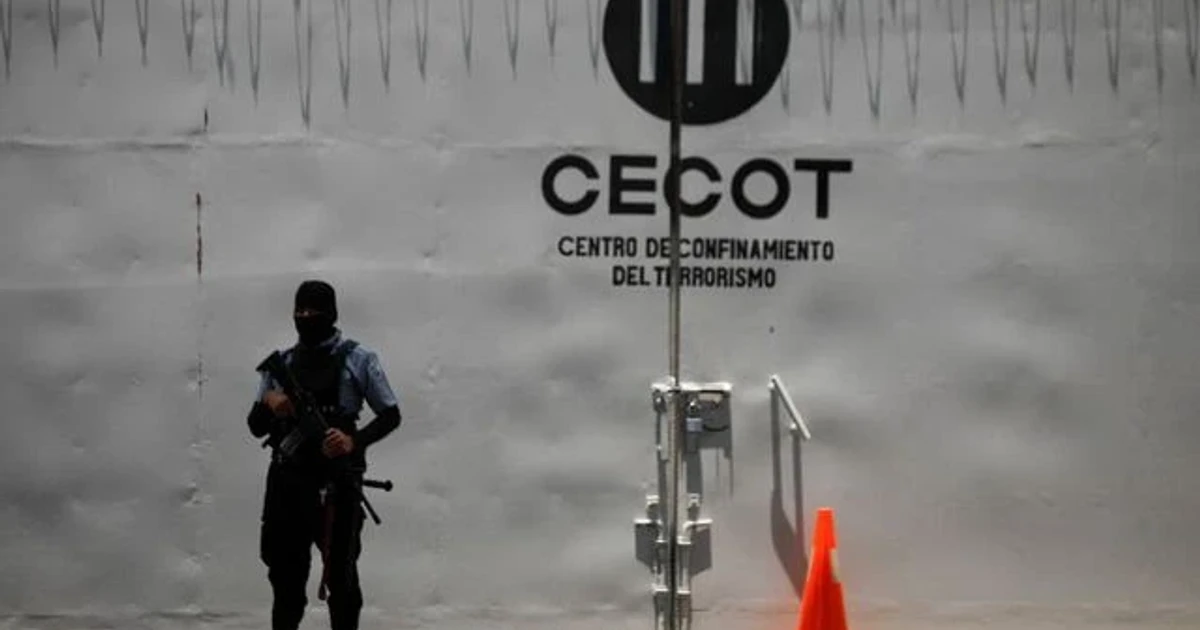
Bolsonaro’s pitch is aimed at independent voters as much as the conservative base. He has traveled to El Salvador along with other right-wing figures, including Congressman Nikolas Ferreira and former Minas Gerais governor Romeu Zema, and some of them toured CECOT, the huge prison complex that has become the symbol of Nayib Bukele’s security strategy. The plan was developed with help from Senator Sergio Moro and Deputy Guilherme Derrite, a former São Paulo public security secretary, tying the proposal to figures with law-and-order credentials inside Brazil’s political right.
The Salvadoran model Bolsonaro is borrowing rests on a state of exception that began on March 27, 2022, after a surge of gang killings. The emergency has been renewed monthly and gave security forces broad arrest powers. El Salvador also built the Terrorism Confinement Center, known as CECOT, in late 2022 and opened it in early 2023 as a prison designed to hold about 40,000 inmates. Bukele’s government says the crackdown broke gang control and helped produce a historic fall in homicides.
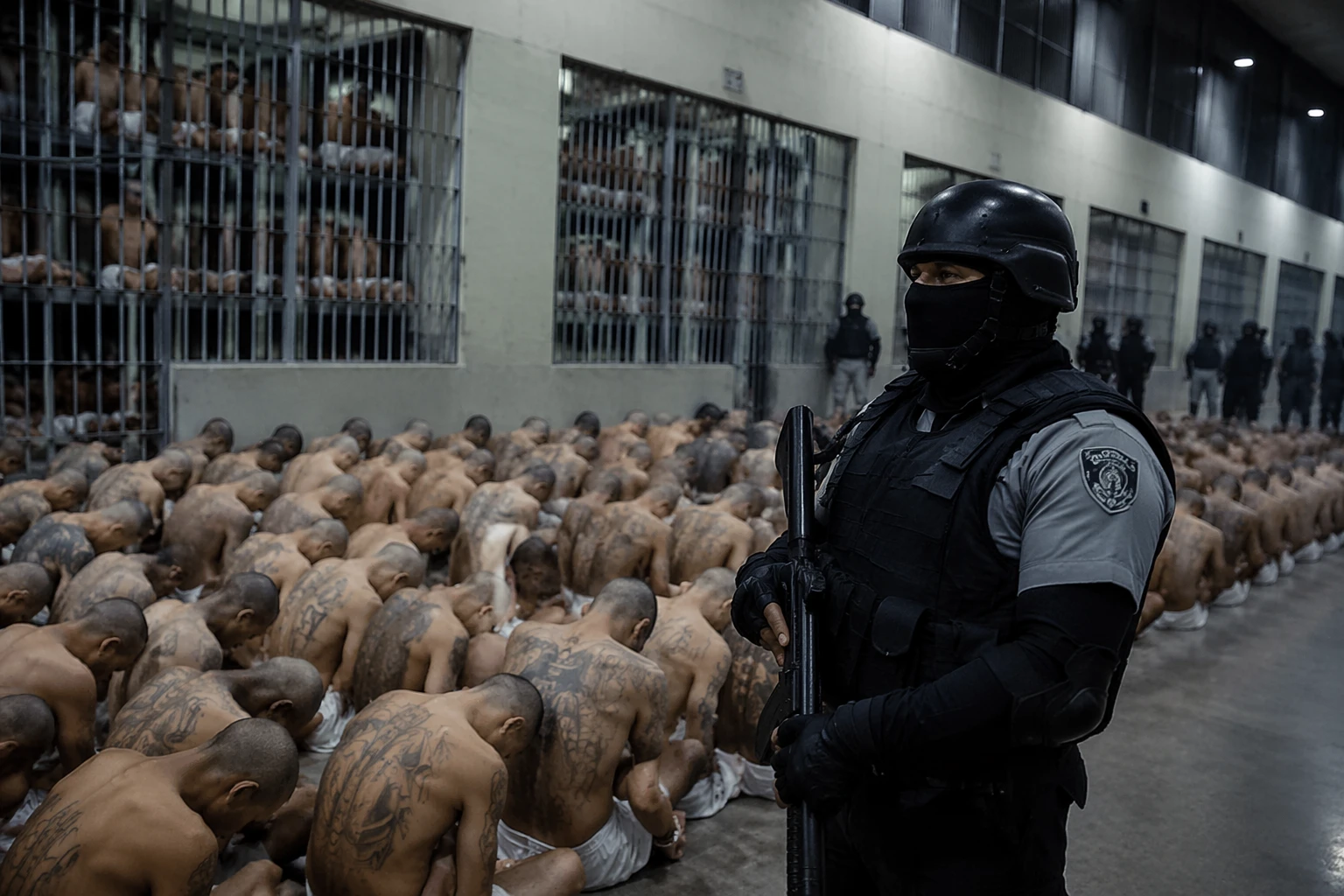
That record has been matched by criticism. Human rights groups have accused Bukele’s government of curbing constitutional rights, press freedom and judicial independence, while alleging arbitrary arrests and torture. Human Rights Watch said Bukele’s government continued removing checks on executive power and intensifying repression of critics and human rights defenders. WOLA said the emergency measures limited constitutional guarantees and granted security forces sweeping powers.
The appeal in Brazil is rooted in a real public-safety problem. Brazil recorded 42,590 homicides in 2024, down 6.9% from 2023 and the lowest total since 2015, according to Ipea and the Fórum Brasileiro de Segurança Pública. Even with that decline, the absolute toll remains severe, and crime has become a central campaign issue in a country where voters have lived for years with high levels of violence.
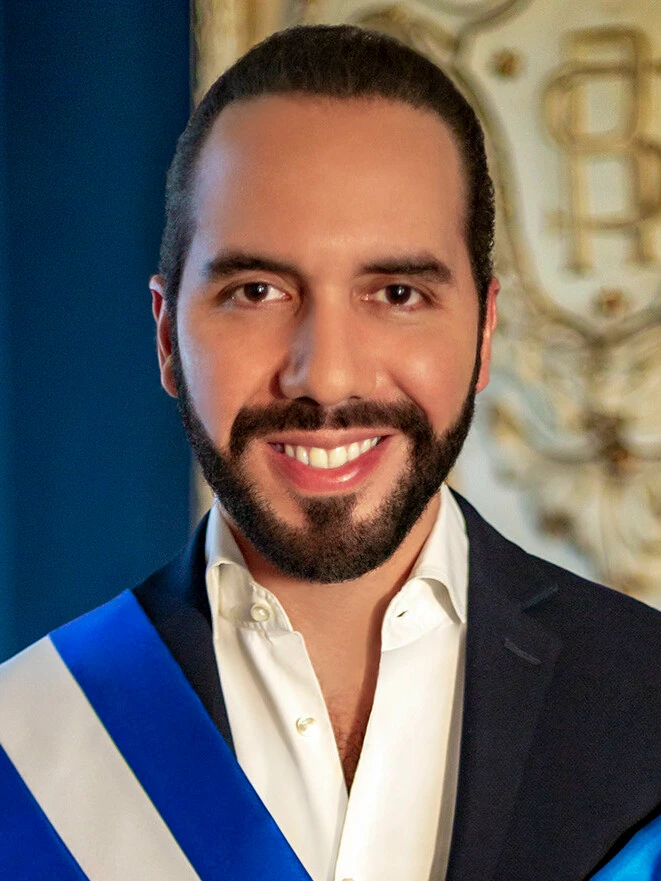
Bukele’s reach is no longer confined to El Salvador. Conservative candidates in Colombia and Peru have also won elections on crime-heavy platforms, and Brazil’s right wing is now treating that formula as a serious electoral model. The result is a sharper contest over whether tougher policing and bigger prisons can deliver order without eroding the democratic safeguards that Brazilian institutions would have to absorb.