Business
Brazil says 2,000 products exempted from latest U.S. tariffs
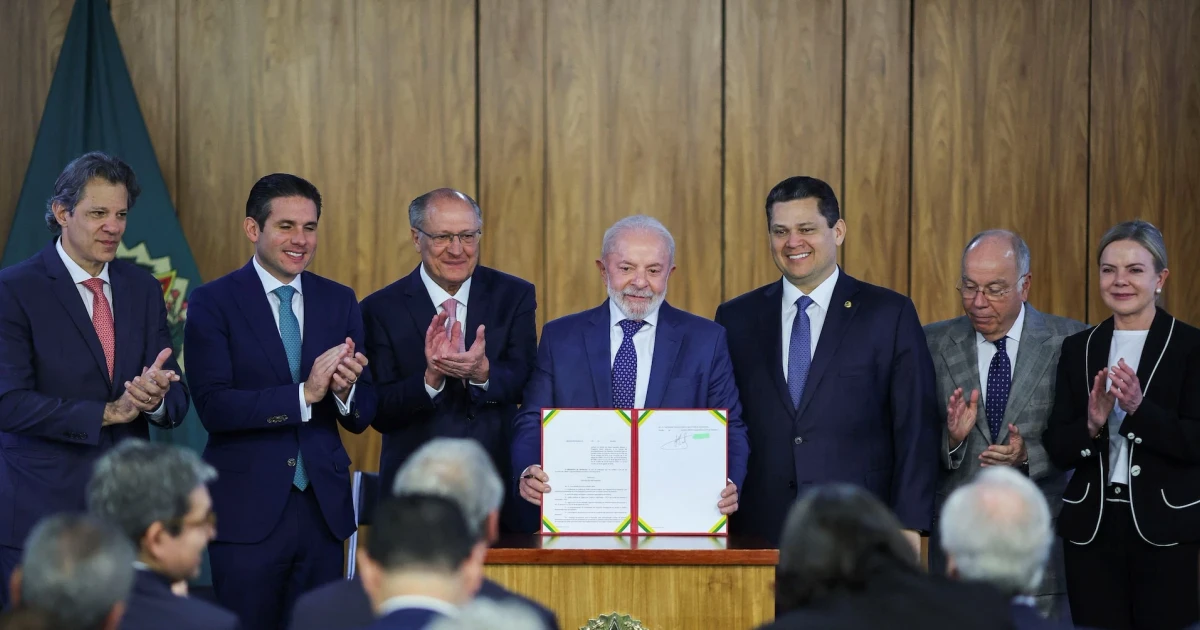
Brazil said Friday that roughly 2,000 of its products were exempted from both recent U.S. tariff rounds, a selective carve-out that eased pressure on exporters caught in Washington’s trade fight. The relief arrived after the United States imposed a 25% tariff on some Brazilian goods and hit billions of dollars in exports.
The exemption list matters because it drew a line between products that can keep moving with less disruption and those still facing the full force of the dispute. Brazilian officials have spent days trying to assess which shipments would be exposed, how much damage would land on agriculture and industry, and whether contracts could survive if margins were wiped out by the new duties.
The pressure has already pushed Brasília into emergency support. On July 22, the Brazilian government announced 18.5 billion reais, or about $3.66 billion, in financing for companies hit by the new U.S. tariffs. That package was aimed at firms affected by the duties and at businesses squeezed by related trade pressure, with steel, aluminum and footwear among the sectors named in the Reuters summaries.
Brazil had moved even earlier to shield rural producers. On July 17, it unveiled a separate credit package for the rural sector hit by U.S. tariffs, underscoring how quickly the dispute spread beyond a single industry. The combination of financing for industrial exporters and credit for agriculture shows Brasília treating the tariff shock as broad enough to require more than one line of defense.
The exemptions point to a U.S. strategy that is firm on leverage but selective in application. Washington kept the 25% tariff in place on some goods from Brazil, and Brazil threatened reciprocal tariffs after the July 16 action, but the new carve-outs suggest both sides are still leaving room for tactical relief. For companies that made the exemption list, the immediate effect is less uncertainty over shipments and pricing; for those in steel, aluminum, footwear and rural supply chains, the tariff fight is still live, and the next round of pressure could arrive if talks harden again.
Sources
- [1]reuters.com