Health
Brazilian researchers test biomaterial to heal severe gum disease
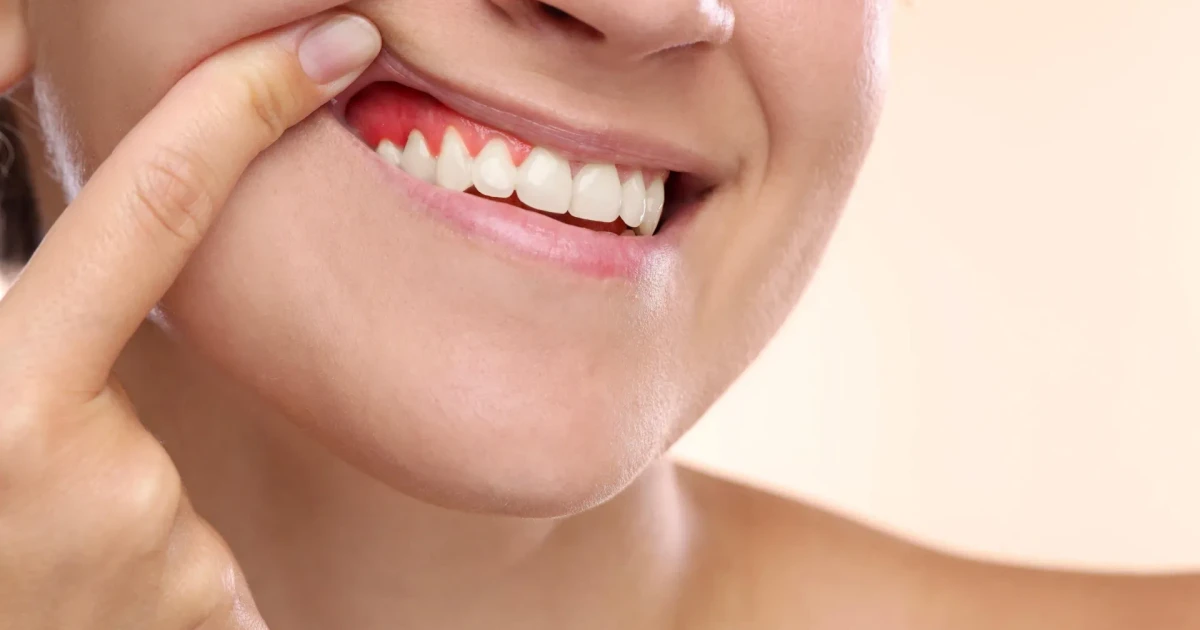
A biomaterial built from jackfruit latex, pomegranate peel extract and simvastatin showed early signs it could do more than slow severe gum disease. In laboratory testing, the material released the drug steadily and increased osteoinduction, raising the possibility of repairing tissue lost to periodontitis rather than only controlling the damage.
The work came from researchers at the Faculty of Medical and Health Sciences at the Pontifical Catholic University of São Paulo in Sorocaba, Brazil. The team, which includes Eliana Aparecida de Rezende Duek, Bruna V. Quevedo, Barbara B. T. de Lima, Kaique G. Hergesel and Daniel Komatsu, set out to build a treatment that could be more predictable than conventional regeneration methods such as guided tissue regeneration or bone grafting. Those approaches can help, but outcomes are often uneven and difficult to forecast.
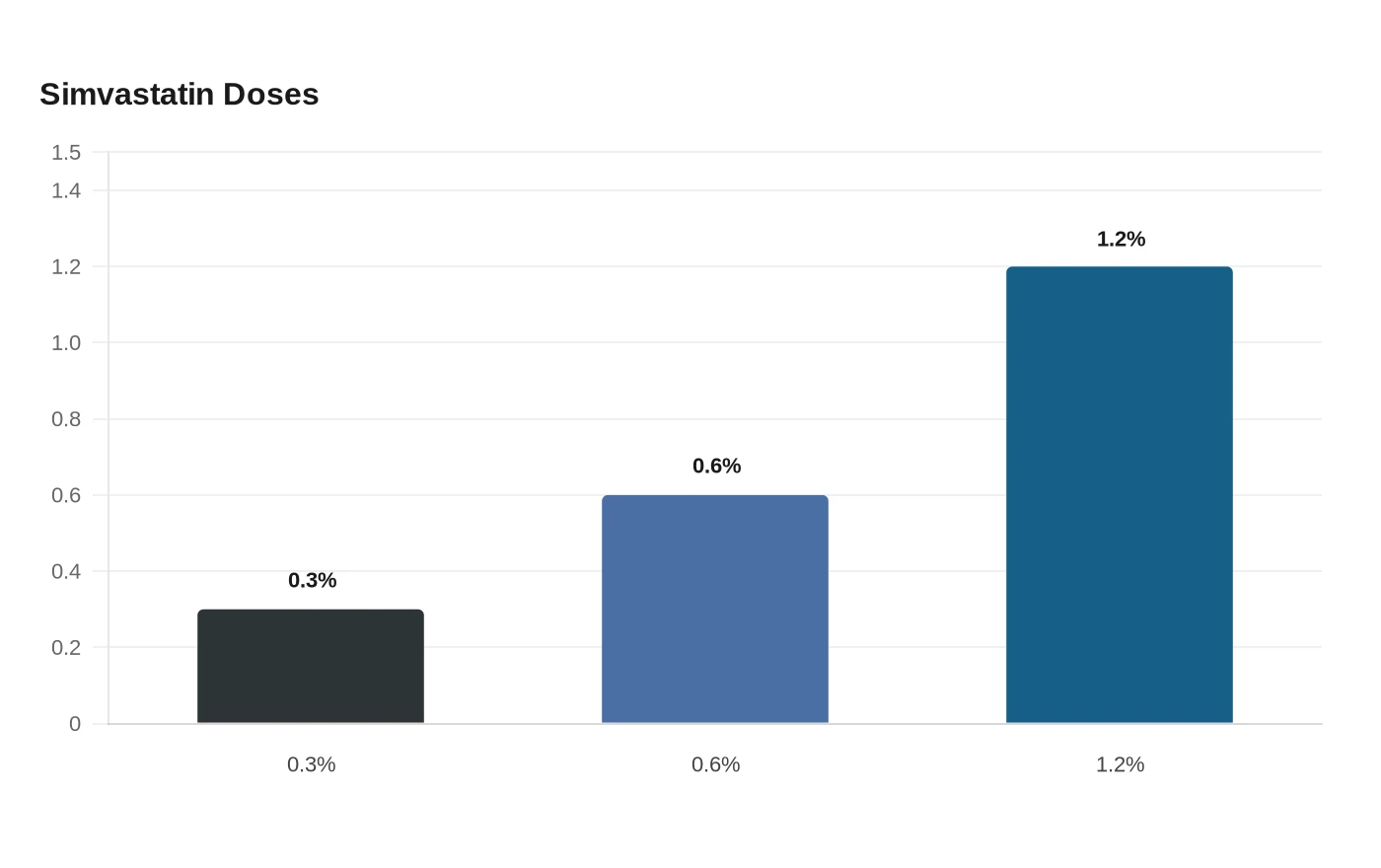
The paper, accepted on March 3, 2026 and published in Polymer Bulletin in 2026, tested simvastatin concentrations of 0.3%, 0.6% and 1.2%. Those doses did not alter the gel structure. In vitro assays then showed sustained drug release and stronger osteoinductive activity, especially after 21 days of differentiation. The authors framed the system as a localized therapeutic platform with antimicrobial potential, while also aiming to support bone regeneration around teeth.
That distinction matters because periodontitis is not a minor dental complaint. The Centers for Disease Control and Prevention describes it as a more serious form of gum disease involving bone loss around teeth. The World Health Organization estimates severe periodontal diseases affect more than 1 billion people worldwide, and says advanced cases can cause the gums to pull away from teeth, loosening them and sometimes leading to tooth loss. In the United States, the National Institute of Dental and Craniofacial Research says 2 in 5 adults are affected by some form of periodontal disease.
Current treatment usually focuses on controlling infection and inflammation, but it does little to rebuild structures already destroyed by long-term disease. That is why a material that combines natural bioactive ingredients with a familiar drug is drawing attention: if later studies show it can be delivered safely in humans and reliably restore periodontal tissue, it could point toward lower-cost regenerative care. That would matter most where access to advanced periodontal treatment is limited, and where a therapy that can both fight disease and rebuild tissue would fill a major public-health gap.
Agência FAPESP said the project was supported by FAPESP grants 23/17083-8 and 23/12039-0. For now, the evidence is still early, but it marks a clear step toward a dentistry that aims to repair what inflammation has taken away.
Sources
- [1]sciencedaily.com
- [2]agencia.fapesp.br
- [3]link.springer.com
- [4]who.int
- [5]nidcr.nih.gov
- [6]cdc.gov