Health
Breast cancer survivors face menopause symptoms they cannot treat with HRT
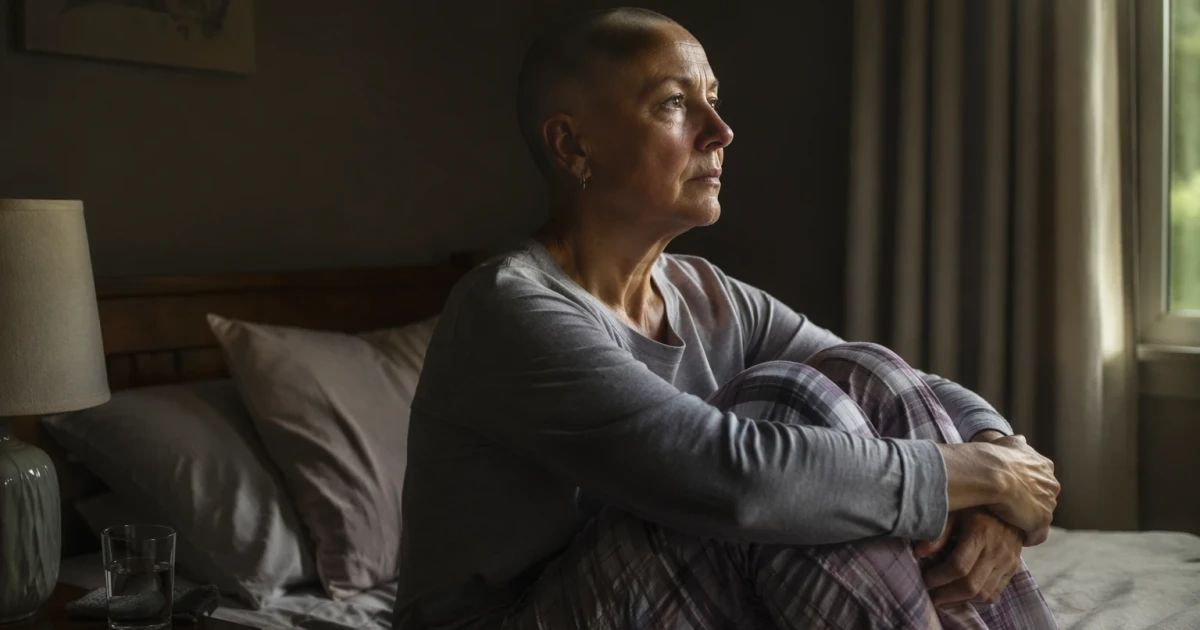
Breast cancer survivors are confronting a cruel mismatch in menopause care: the symptoms can be severe, but the treatment driving public conversation is often off limits. In the UK, NICE says systemic HRT should not be prescribed to women with current, past or suspected breast cancer, while NHS guidance says it is generally contraindicated for women with current or previous oestrogen-sensitive cancers.
That exclusion lands hardest because breast cancer treatment itself can trigger menopause. Breast Cancer Now says menopause usually happens between ages 45 and 55, with 51 as the average age, but treatment for breast cancer may bring on an early menopause or menopausal symptoms instead. Cancer Research UK says some cancer treatments lower sex hormones enough to cause an early or temporary menopause, with symptoms including hot flushes and difficulty concentrating.
The policy gap has become more visible as menopause has moved into the mainstream of government health messaging. In 2023, the UK government published a 12-month progress report on its “Shattering the Silence about Menopause” programme, describing menopause as an important factor in recruiting and retaining older women in the workforce. In 2025, it said menopause advice would be added to NHS health checks. Earlier, in 2022, cheaper HRT was introduced in England, and around 400,000 women were said to benefit from better access.
For women with breast cancer histories, that broader progress can sharpen the sense of exclusion. Cancer Research UK says women with breast cancer and menopausal symptoms need management strategies, and Breast Cancer Now offers patient information on non-hormonal ways to cope. Specialist guidance has said women with menopausal symptoms after breast cancer should be offered counselling and information about alternatives, but many clinicians still avoid HRT because of cancer risk concerns.
Those fears are rooted in long-running caution after the 2002 Women’s Health Initiative trial linked combined oestrogen-progestin HRT to increased breast cancer risk. The British Menopause Society still describes HRT after a breast cancer diagnosis as an important and controversial topic, and notes that the risk debate remains contested. In 2025, researchers at UCL argued that breast cancer survivors with severe menopausal symptoms should be helped to make an informed decision about whether to use HRT or not.
That shift toward individualized risk discussion matters because menopause is no longer being framed only as a private inconvenience. It is a workplace issue, a public-health issue and, for breast cancer survivors, a reminder that the most visible treatment breakthrough is still not reaching everyone who needs relief.
Sources
- [1]nytimes.com
- [2]cks.nice.org.uk
- [3]remedy.bnssg.icb.nhs.uk
- [4]breastcancernow.org
- [5]cancerresearchuk.org
- [6]gov.uk
- [7]thebms.org.uk
- [8]ucl.ac.uk