Business
Brent crude tops $85 as U.S.-Iran tensions hit Gulf supply fears
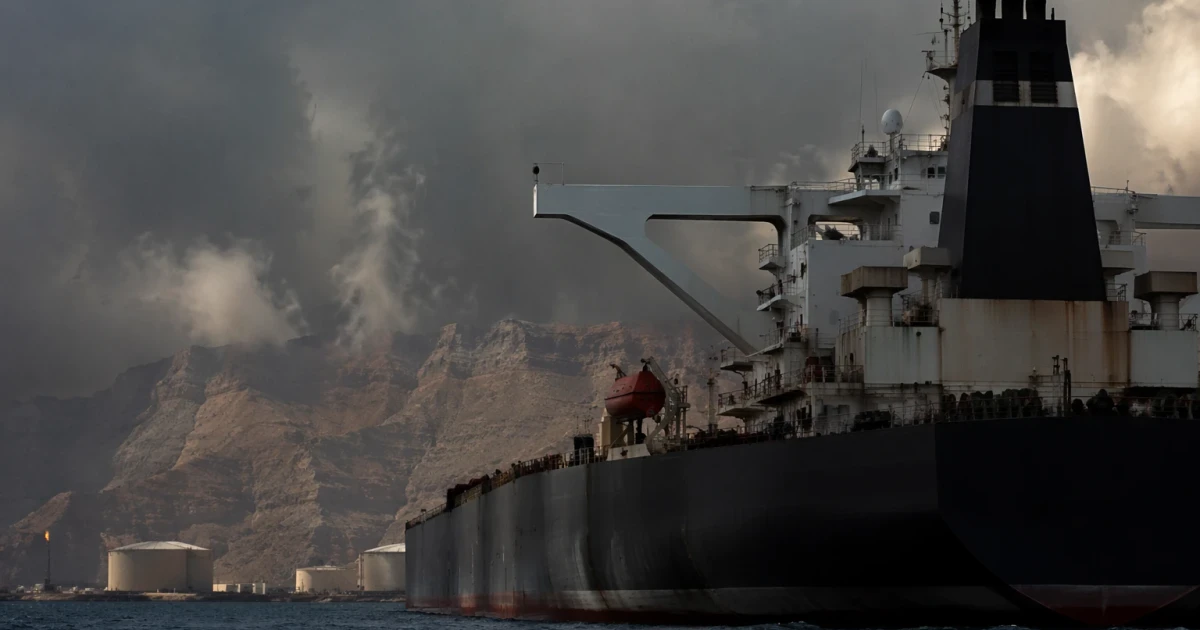
Brent crude pushed above $85 a barrel for the first time in a month as U.S.-Iran tensions rattled the Gulf and traders priced in the risk of disruption through the Strait of Hormuz, the route for a major share of global oil flows. Brent climbed as much as 2.8% after rising almost 10% on Monday, recovering to its highest level in almost a month and erasing part of a second-quarter drop of about 30%.
The latest surge followed Donald Trump’s decision to reimpose a blockade on Iranian ships transiting the Strait of Hormuz, while U.S. forces carried out another round of strikes against Iran that could continue for several more days. Market attention centered on whether tanker traffic through the narrow waterway could slow or stop, a development that would tighten supplies well beyond the Gulf. Reuters-linked reporting said Brent had last touched this level in July 2024, while West Texas Intermediate traded near $80 as Brent moved through $85.
The move matters because a lasting jump in crude quickly filters into inflation forecasts and external accounts. ING analysts said a 10% rise in oil prices can worsen emerging-market current-account balances by 40 to 60 basis points, with Thailand, South Korea, Vietnam, Taiwan and the Philippines among the most exposed economies. That makes the current price level more than a commodity headline: if Brent holds above $85 and pushes higher on further Gulf shipping disruption, the pressure will spread into fuel costs, trade balances and central-bank policy calculations.
The rally also cut against earlier hopes that additional supply would cool the market. Some reports said OPEC+ had agreed earlier in July 2026 to raise production from August, a step that had helped ease worries before the renewed escalation around Iran. With Brent back at its highest level in nearly a month, traders are once again focused on whether the Strait of Hormuz remains open enough to keep global crude moving.