Business
Brexit hurt London finance, but the City remains a global powerhouse

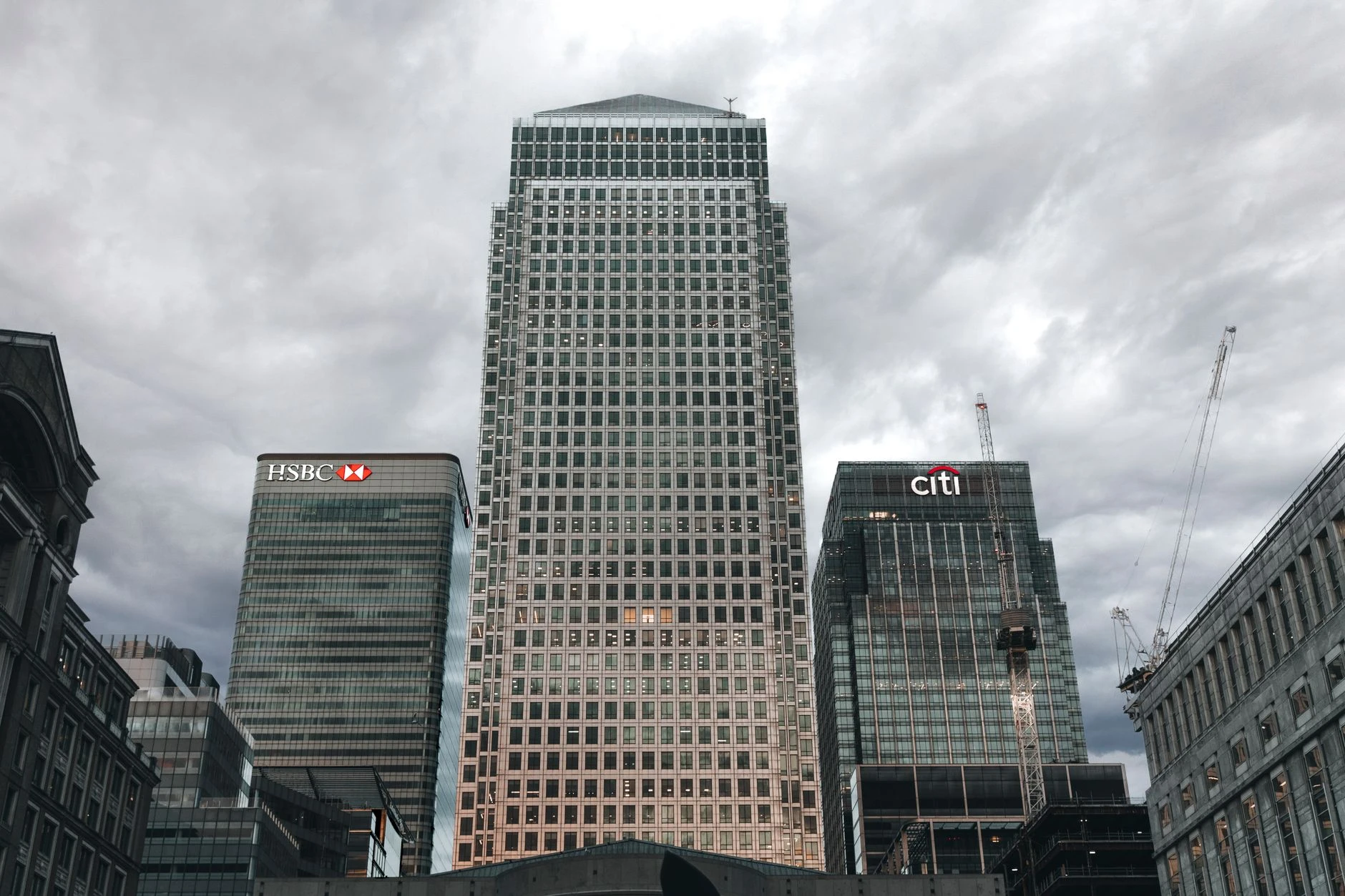
JPMorgan’s plan to build a new tower in Canary Wharf, with room for up to 12,000 employees, is the clearest sign yet that Brexit did not break London finance. Rachel Reeves has called the project a multi-billion pound vote of confidence in the City, and it lands against a striking backdrop: before the 2016 referendum, Jamie Dimon warned JPMorgan could shift 4,000 jobs out of Britain.
That warning captured the fear that London would lose its place as Europe’s main financial center. Some of that damage did arrive, just more gradually than the apocalyptic forecasts suggested. About 40,000 jobs moved from Britain to European hubs after firms lost passporting rights, according to estimates from the City of London Corporation. Michael Mainelli has said Brexit cost London’s financial centre about 40,000 jobs, with Dublin gaining the most, attracting 10,000 positions, while Milan, Paris and Amsterdam also picked up business.

The harder truth for the City is that it survived by adapting while its dominance thinned. New Financial says Britain has lost market share in 10 of 12 categories of international finance since 2015, a reminder that resilience is not the same as recovery. William Wright, New Financial’s founder, has described Brexit’s effect as self-injury that was serious but not fatal. London remains a heavyweight, but Europe as a whole has also lost ground to faster-growing Asian financial markets, leaving the City powerful in absolute terms and weaker in relative ones.
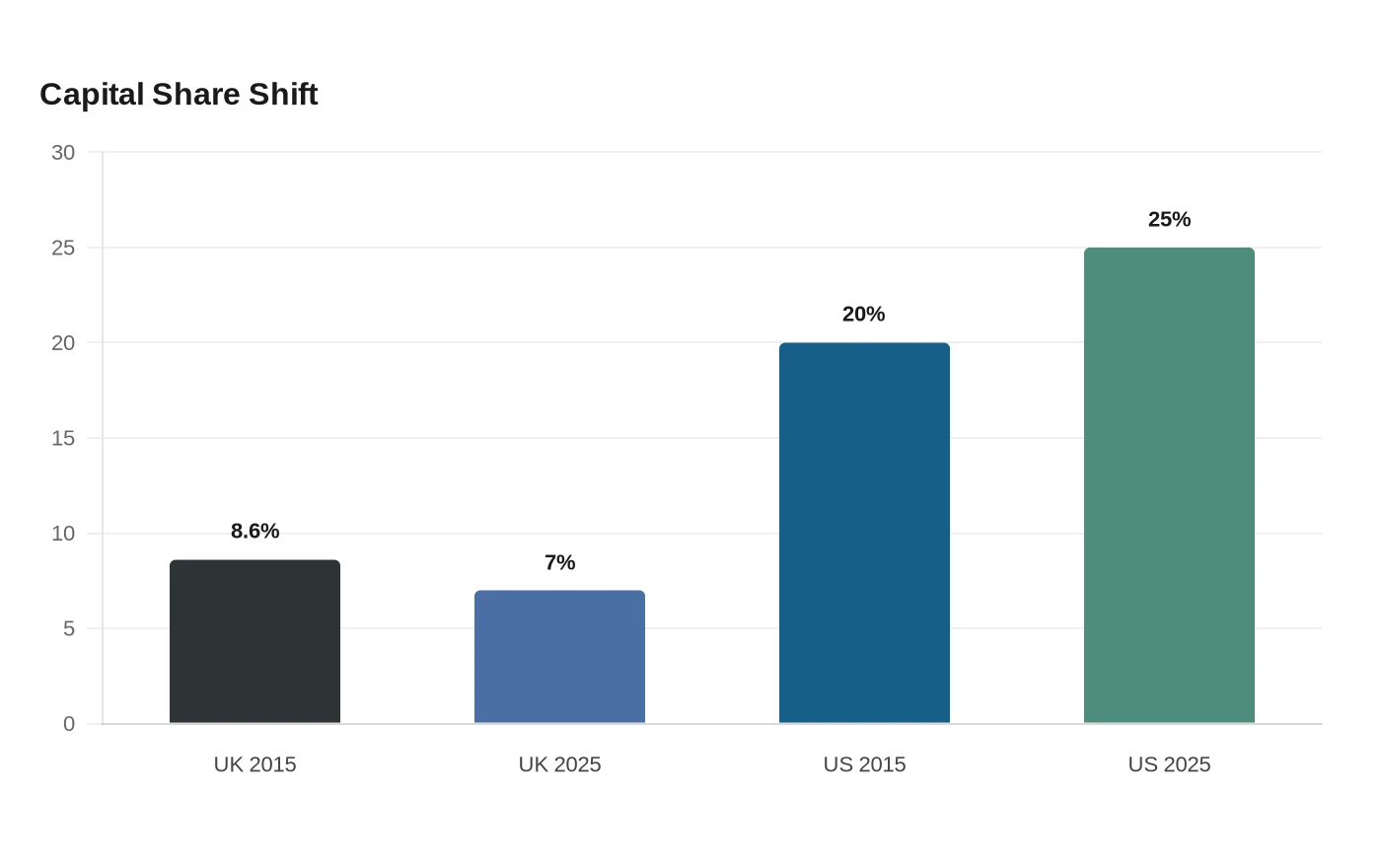
The capital flows tell the same story. Barclays, citing IMF data, said Britain hosted more than £12 trillion in foreign direct investment, portfolio investment and cross-border deposits at the end of 2025. Even so, the UK’s share of global foreign capital fell from 8.6% in 2015 to 7.0% in 2025, while the U.S. share climbed to 25% from about 20%. The Bank of England has said Brexit created significant regulatory barriers for cross-border banking and trade in services, and a 2026 working paper found limited evidence that multinational banks successfully worked around those barriers through foreign affiliates.

That is the real Brexit finance verdict: the City of London did not collapse, and it still attracts major global capital and investment. But the losses were real, the shift to the continent was measurable, and the biggest competitive threat now comes not from a vanished City, but from a world in which the United States and Asia are pulling further ahead.