Business
Brexit still weighs on Britain’s economy, 10 years on

A decade after the June 23, 2016 vote to leave the European Union, Britain’s economy shows slower growth, higher prices, weaker investment and persistent trade friction. The pandemic and other global shocks have made the picture harder to untangle.
A decade of drag
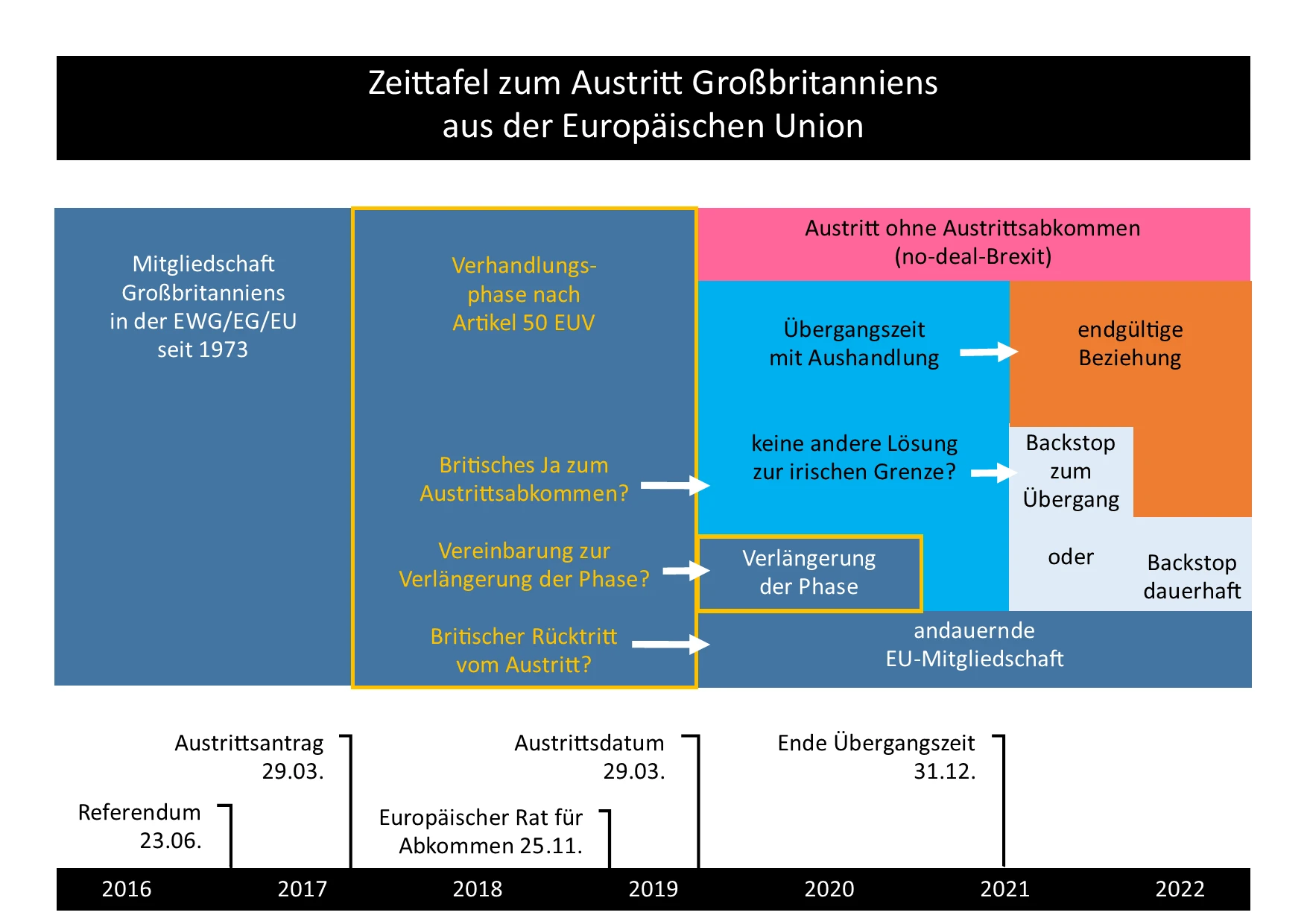
The referendum delivered a narrow but decisive break with the EU: 52% of voters, more than 17 million people, chose to leave, and Britain formally exited in December 2020 after nearly five years of political wrangling. Since then, economists agree that Brexit has hurt economic performance, even if they disagree on how much of today’s weakness belongs to Brexit alone and how much to the pandemic, energy shocks and global trade disruption.
The damage has not arrived in one dramatic moment. It has accumulated through lower business investment, more cumbersome trade rules and a mood of caution that has held back long-term planning.
Growth that never fully reset
The House of Commons Library shows UK GDP grew 0.6% in the first quarter of 2026 from the previous quarter, and output was only 6.0% above its pre-pandemic level of the fourth quarter of 2019. That left Britain well behind the United States, which stood 15.1% above its late-2019 level and remained the strongest G7 performer over that period.
The country now sits second-bottom among the G7 advanced economies for per-capita growth, ahead of only Germany, which has also been hit by global trade shifts.
Forecasts underline how little lift the economy is expected to get in the near term. The OECD projects 0.9% growth in 2026 and 1.1% in 2027, while the IMF cut its 2026 UK forecast to 0.8% in April and expects inflation to average 3.2% that year.
The price shock households can feel
The easiest place to see the cumulative cost is the checkout line. Consumer prices were 41.4% higher in May 2026 than around the time of the Brexit vote, a rise sharper than in any other Western European country except Austria.
The Office for National Statistics reported that the Consumer Prices Index rose 2.8% in the 12 months to May 2026 and CPIH rose 3.0%. Transport made the largest upward contribution to the monthly change.
Former Bank of England rate-setter Adam Posen argues that Britain is now structurally inflation-prone because of weak economic governance, fiscal fragility and low productivity growth. He has also said Brexit amplified inflation by cutting labor supply through the end of free movement and by adding tariff and non-tariff barriers to trade. The Peterson Institute for International Economics makes a similar case, arguing that Brexit is the main driver of the widening inflation gap between Britain and its European peers because it reduced the supply of EU migrant workers and introduced new trade costs.
Where the economy has held up
Brexit has not flattened every part of the economy equally. Finance, which many banks warned could lose large numbers of jobs, proved more resilient than many expected. The industry absorbed the referendum shock better than the most pessimistic forecasts from banks such as JPMorgan, which had warned before the vote that thousands of jobs might move out of Britain.
A few growth sectors have also continued to perform relatively well, including fintech, life sciences and AI. But even those bright spots have not delivered the broad-based boost that Brexit supporters once imagined. Economists argue that these sectors have still underperformed what might have been expected because the wider backdrop has been marked by trade friction, political instability and weak capital spending.
When supply chains are more complex, rules change more often and the outlook for demand stays subdued, firms delay hiring, postpone expansion and preserve cash. Over time, those micro decisions show up in the macro data as weaker productivity and slower trend growth.
Politics still shapes the economics
The referendum also remains politically potent, which is one reason its economic legacy is still contested. Brexit continues to forge political identities and remains socially and politically defining. The debate keeps circling back to sovereignty and control, even when the daily evidence is about labor availability, customs rules and investment hesitation.
Supporters of leaving still argue that independence from the EU gives Britain flexibility over the long run, especially for sectors that value regulatory room to maneuver. But a decade on, the practical costs are easier to measure than the hoped-for benefits: slower per-capita growth, weaker investment and more expensive imports.