World
Brexit’s damage to UK science is easing, but only slowly
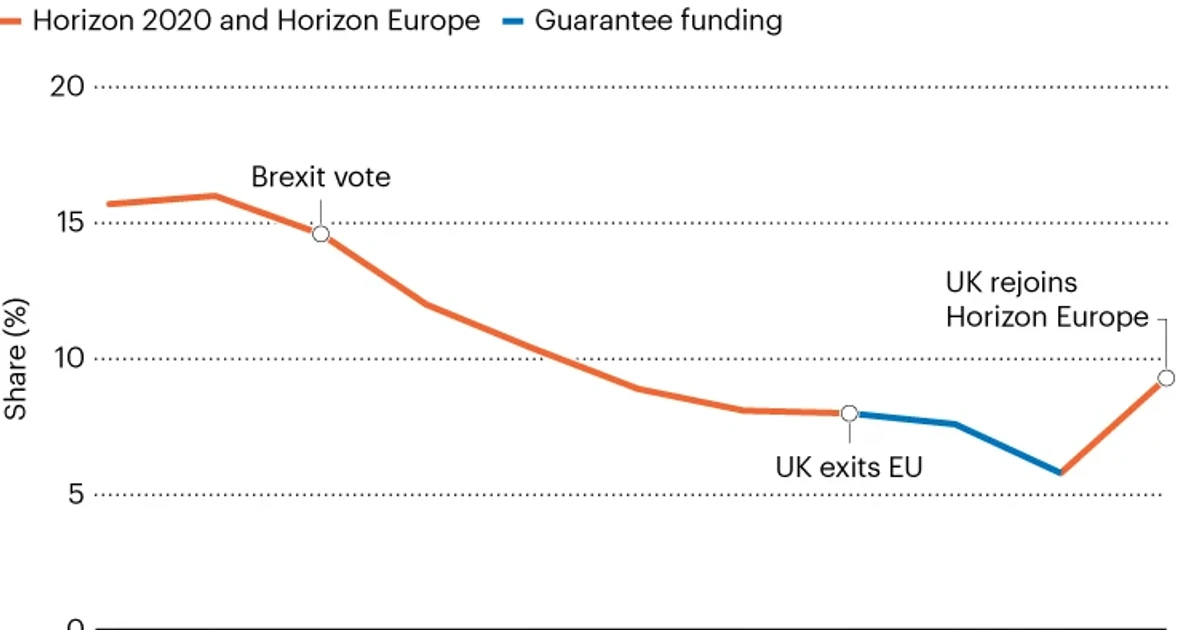
Britain’s return to Horizon Europe has started to lift its share of European Union research funding, but the deeper repair is still unfinished. The latest look at European science shows money flowing again, yet the scientific networks, shared infrastructure and everyday habits of collaboration that Brexit frayed are recovering much more slowly.
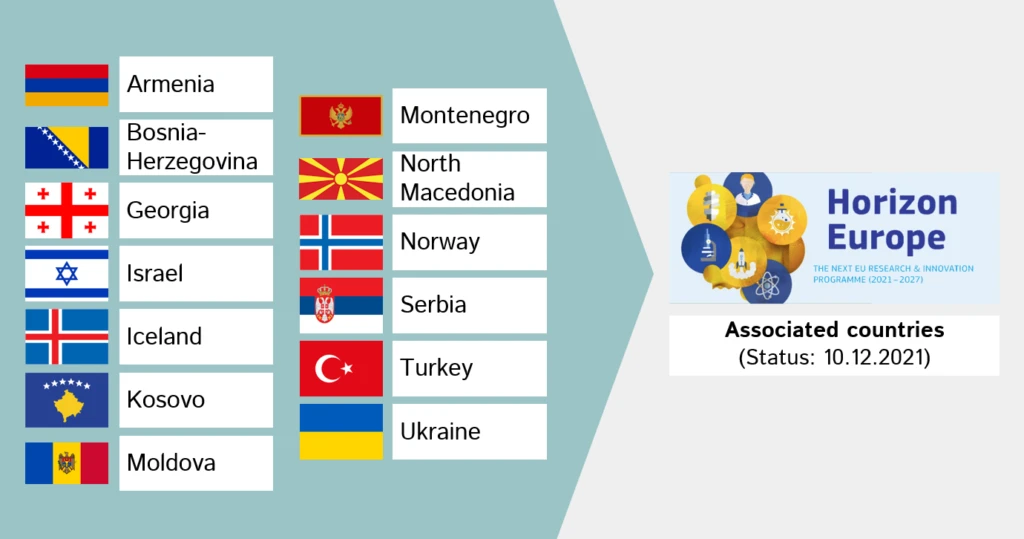
The political reset began in December 2020, when the United Kingdom and the European Union agreed that Britain could participate in Horizon Europe as an associated country. The deal did not take effect smoothly. A dispute over post-Brexit Northern Ireland trade rules delayed the process, and the UK officially rejoined Horizon Europe on 2 January 2024. That programme matters because Universities UK describes it as the world’s largest multinational research and innovation funding programme, and access to it gives British researchers large collaborative grants that are difficult to replace from outside the system.

Fresh UK government statistics published in June 2026 cover Horizon 2020 from 2014 to 2020 and the first four years of Horizon Europe from 2021 to 2024. Those figures say 2024 was the first year since 2016 to show a significant reversal in the long-term decline in UK awards and funding. Research Professional News reported on 5 June 2026 that the UK’s share of EU research and innovation funding in 2024 had climbed back to levels last seen in 2018-19, while Universities UK International said on 27 May 2026 that 2024 was the only year since 2016 to break the downward trend.
Even so, the damage was never just financial. Universities and laboratories in the UK depend on international partnerships for multi-country projects, major grants and talent recruitment. When those ties weakened, the effects reached into who collaborated with whom, which institutions became research hubs, where graduate students went and how easily ideas crossed borders. The Royal Society has said Brexit uncertainty had already reduced the UK’s attractiveness to international talent and hurt access to EU research funding. The European University Association has also stressed that research, mobility and higher education are interdependent, and that close UK-EU ties are needed to protect collaboration.
That is why the current improvement looks more like a slow repair than a full recovery. The UK is regaining access to funding, but rebuilding trust, mobility and informal scientific habit will take longer than any budget line. For Britain and for Europe, the question is whether the healing restores lost competitiveness or merely stops the decline from getting worse.
Sources
- [1]nature.com
- [2]gov.uk
- [3]researchprofessionalnews.com
- [4]universitiesuk.ac.uk
- [5]royalsociety.org
- [6]eua.eu