Politics
Brexit's legacy still reshapes British politics a decade on
Brexit has not faded into a single constitutional event. It has become the fault line that still shapes who governs Britain, how parties compete and how voters judge the political class, with the country now poised to have its seventh prime minister since the referendum.
A referendum that rewired politics
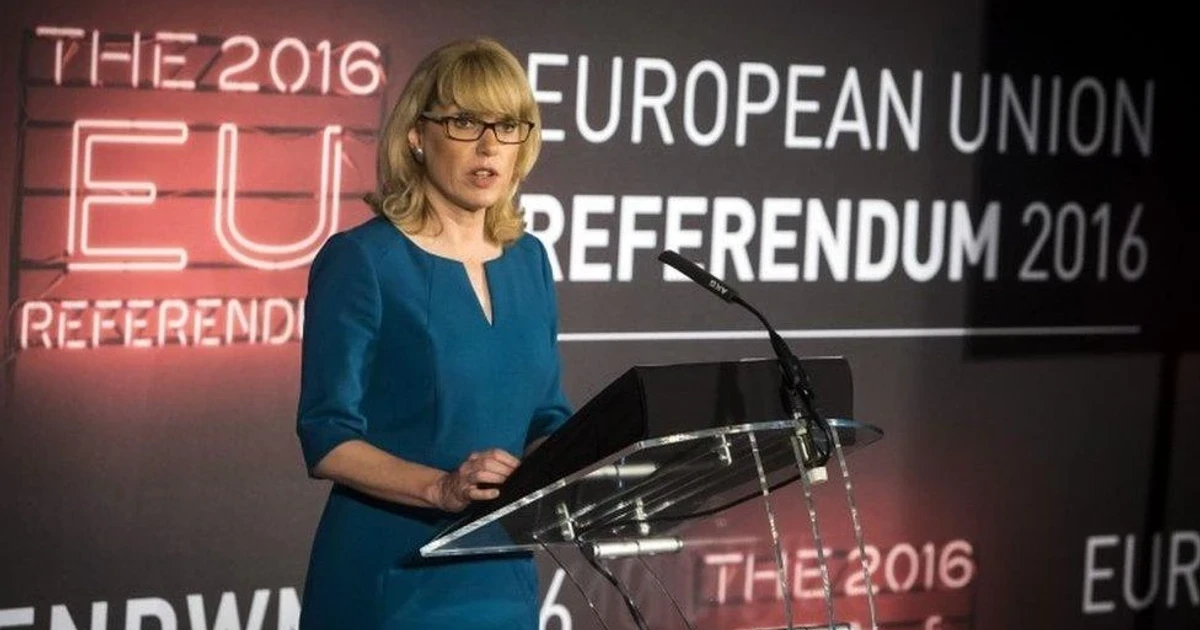
The rupture began on 23 June 2016, when the United Kingdom voted on whether to remain in the European Union or leave it. Leave won by 51.9% to 48.1%, on a 72.2% turnout, and Electoral Commission chief counting officer Jenny Watson declared the result the next day, 24 June 2016. The numbers were close enough to expose a divided country, but decisive enough to force a political earthquake.
David Cameron resigned the day after the vote, and that decision set the tone for everything that followed. Brexit was presented to voters as a once-in-a-generation choice about sovereignty, borders and control, but the aftermath showed something deeper: it became a test of institutional trust, party loyalty and the durability of Britain’s old two-party order.
The leadership churn became the story
The most visible measure of Brexit’s legacy is the speed of political turnover. Britain is now about to get its seventh prime minister since the referendum, a pace of change that would have been difficult to imagine in the long era before 2016. The sequence of rapid leadership changes, beginning with Cameron’s resignation, made Brexit less a settled policy outcome than a permanent stress test for government.
That churn matters because it has changed how power is judged. Instead of offering clarity, Brexit created a politics of repeated resets, each leader inheriting the unfinished arguments of the last. The result has been a system in which prime ministers are measured not only by policy but by whether they can stabilize a party system that Brexit helped fragment.
The old two-party model has weakened
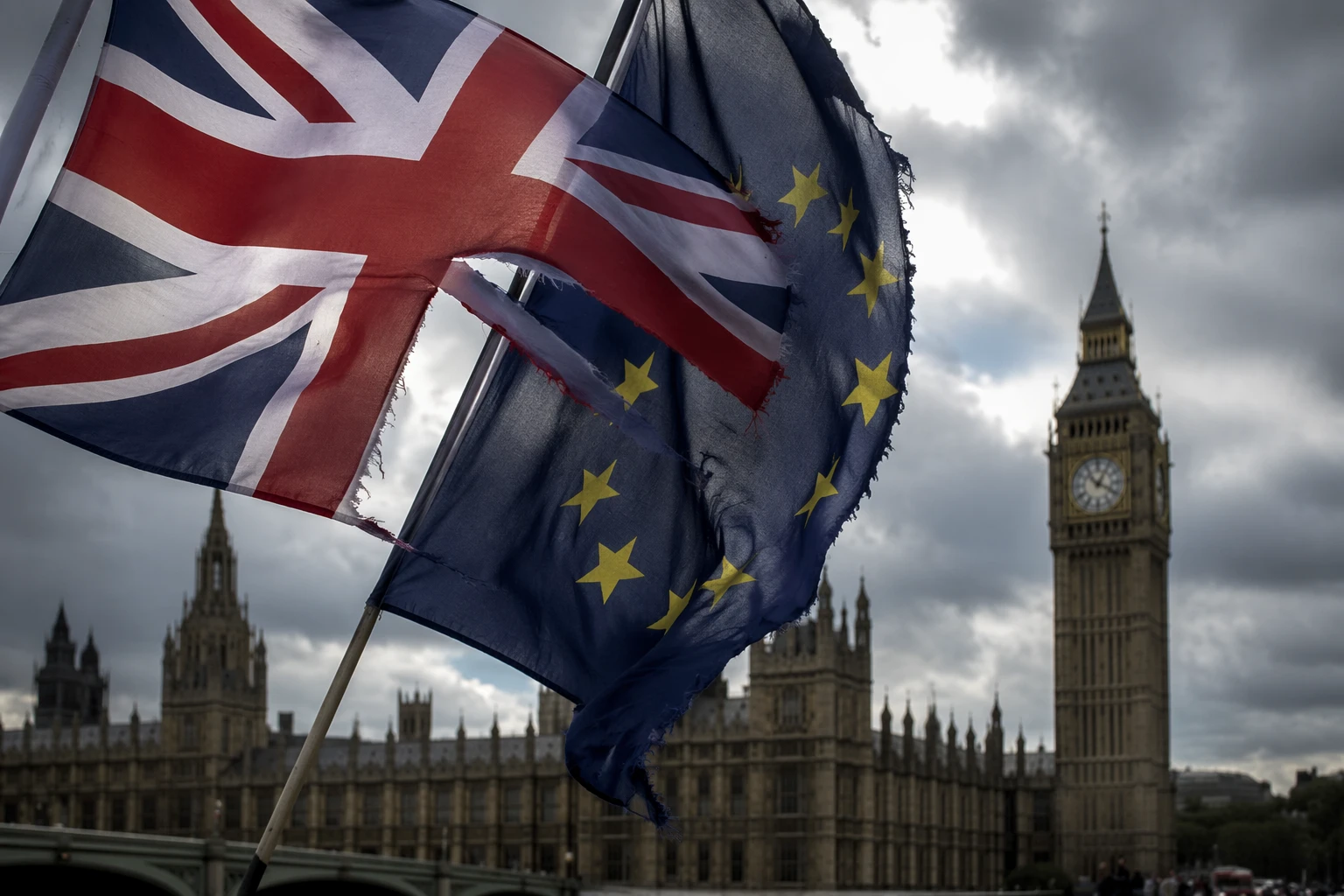
The clearest sign that Brexit reshaped British politics more than it resolved it is the erosion of the old Labour-Conservative duopoly. By June 2026, recent polling showed Reform UK leading national vote-intention averages, while Labour and the Conservatives were both in the high teens, far below the dominance those parties once assumed. The Greens and Liberal Democrats have also surged, a sign that more voters are comfortable looking beyond the two big parties.
The May 2026 English local elections reinforced that shift. Reform made major gains, while Labour suffered heavy losses, underlining how far the old pattern has collapsed. That matters beyond one local contest: when the governing and opposition parties can no longer reliably anchor the political center, every election becomes more volatile, and every governing majority harder to sustain.
Leave and Remain are still political identities
Brexit also left behind a durable social map. Analysts and polling data continue to show that Leave and Remain identities still shape voting behavior, with those labels mapping onto different parties and demographics. That makes the referendum more than a historical marker: it remains a shorthand for how many voters sort themselves and others.
The geography of the vote still tells the story. The House of Commons Library says Leave support was especially strong in places such as Boston, Lincolnshire, while Remain was strongest in Gibraltar. Those contrasts show that Brexit did not merely divide the country by age or class; it also hardened differences between places that felt exposed to economic change and places that saw their future tied more closely to European integration.
The economic argument has never gone away
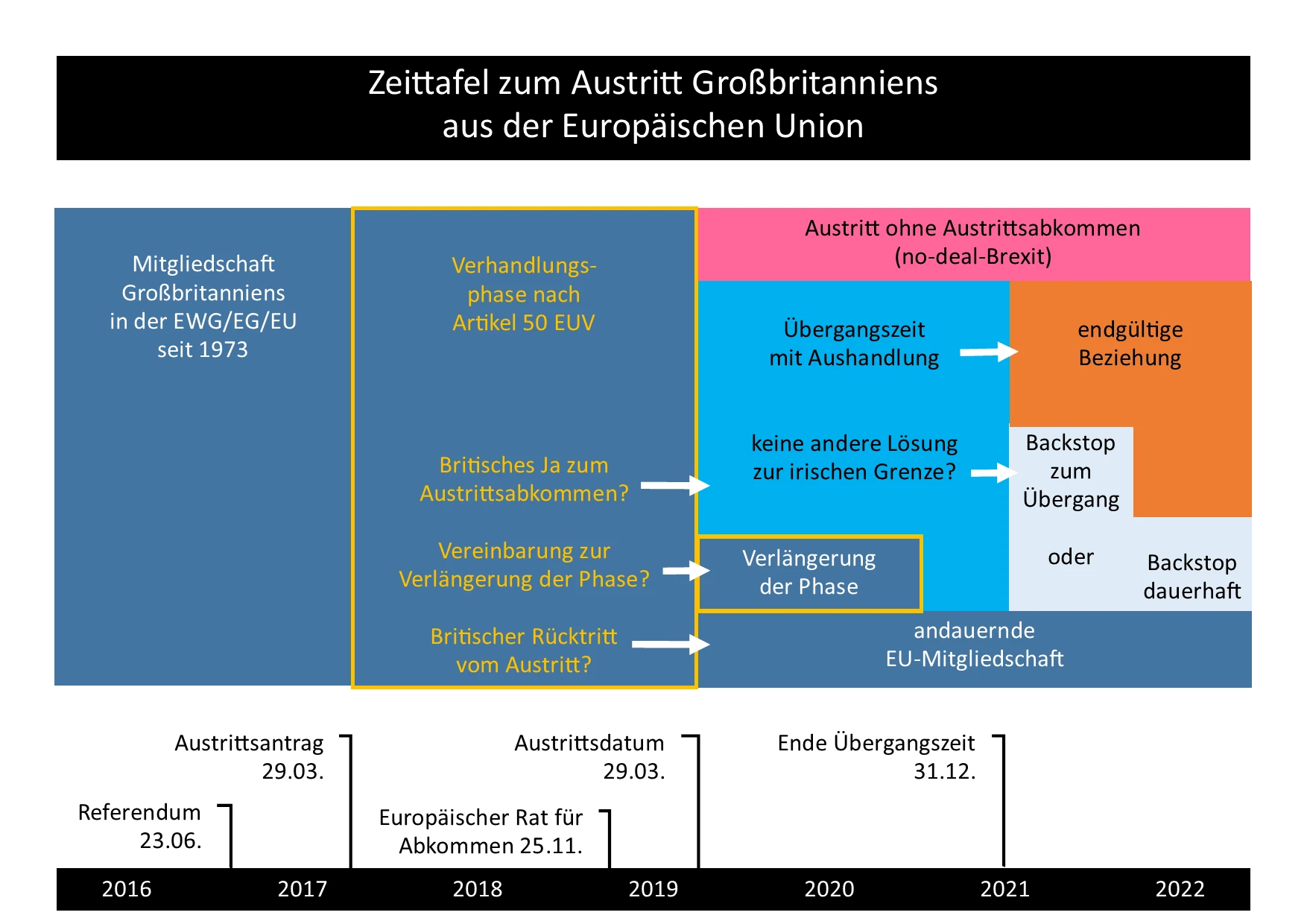
The UK formally left the EU on 31 January 2020 at 11pm GMT, then spent the rest of 2020 in a transition period before exiting the EU single market and customs union at the end of that year. That exit changed how goods, services and regulation moved across the Channel, and it also shifted the terms of the debate over Britain’s economic future.
Journalists and researchers continue to argue over the wider costs, including claims of weaker growth, lower business investment and reduced trade than would likely have occurred had the UK remained inside the EU. Those claims remain contested, but they persist because the political argument over Brexit was never only about sovereignty. It was also about whether the promised freedoms of leaving would outweigh the frictions that followed, especially for businesses operating across borders.
The legacy is political instability, not closure
A decade on, the central lesson is that Brexit did not simply change the UK’s relationship with Europe. It changed the way Britain does politics. The referendum’s narrow margin, the rapid turnover of prime ministers, the rise of Reform UK, the weakening of Labour and Conservative dominance and the continuing divide between Leave and Remain all point to the same conclusion: Brexit remade the system that surrounded it.
For voters, that means the issue is still present in the choices they make, even when it is not named on the ballot. For parties, it means the old assumptions about loyalty and bloc politics no longer hold. And for Britain, it means the promise of closure never arrived, because Brexit became not a single policy event but the lasting condition of modern British politics.