US News
Brian Kelly shares tips for navigating the busy summer travel season
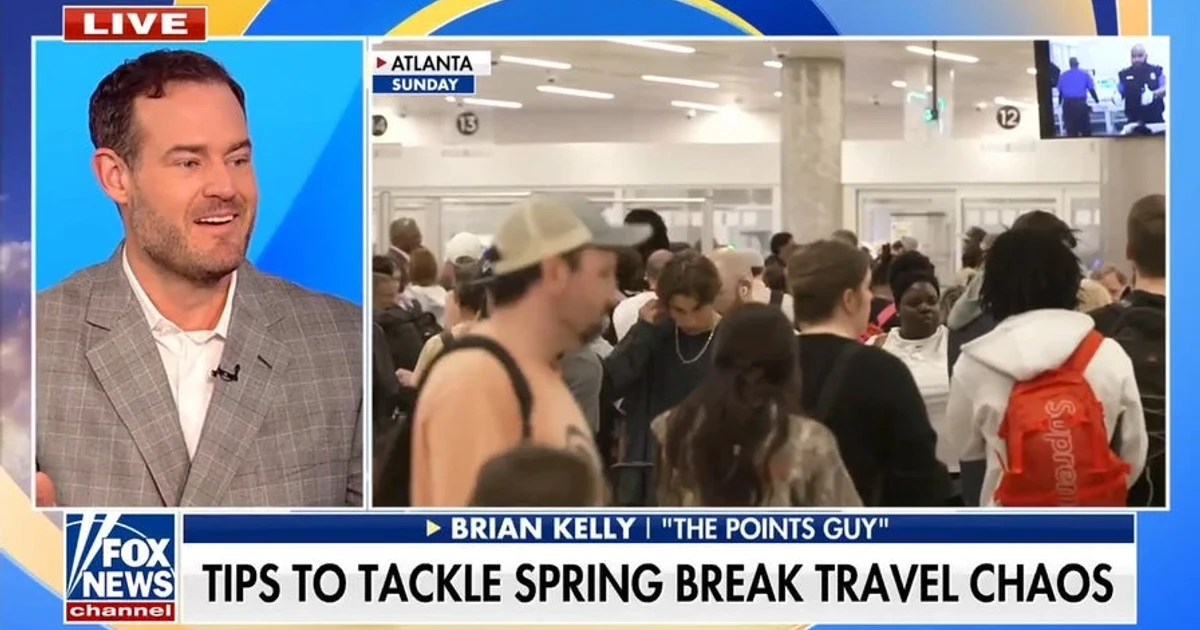
Crowded checkpoints, rising airfares and a higher risk of disruption are defining the summer travel season, and Brian Kelly’s latest guidance is built for exactly that environment. The Transportation Security Administration said it expected to screen 18.3 million passengers and crew between May 21 and May 27, while the Federal Aviation Administration warned that summer would bring more planes in the skies, frequent bad weather and heavier use of the nation’s airspace. In a market where flight cancellations hit a three-year high in 2025 and climbed nearly 15% from 2024, the margin for error is shrinking fast.
Flight disruptions are the season’s biggest threat
Kelly’s most important point is that disruption is no longer an edge case, it is part of the summer travel equation. The Points Guy has been tracking a season in which airlines are moving more people through more congested airspace, while weather adds another layer of delay risk. That matters because 2025 cancellations were not just elevated, they were the worst in three years, which is a reminder that a carefully planned trip can still unravel without much warning.
The practical takeaway is to plan earlier and build more flexibility into your trip than you might in a quieter season. TPG’s advice to travelers to plan carefully and book early fits the data: when the system is under pressure, last-minute itineraries have fewer options and less room for recovery if something goes wrong. Summer travelers are not just buying a seat, they are buying into a system that is already moving at a higher load.
Use points where rising fares bite hardest
Airfare is climbing, and that changes the value of loyalty points. TPG says June and July are typically the busiest and most expensive months for summer travel, while August often offers lower fares. That pattern matters because it makes peak-season redemptions more attractive when cash prices are at their highest, especially for travelers who can shift flexible trips into the later part of the summer.
Brian Kelly’s broader summer planning advice reflects that reality. The Point Guy founder has spent years telling readers to think strategically about when to pay cash and when to use points, and that logic is even more relevant when fares are rising across the board. TPG’s June 17 summer travel checklist, along with its destination guides for June and July planning, signals the same message: the best time to think about redemption value is before fares jump, not after.
The smartest move is to compare the cash price with the points price on the routes you actually need, then reserve the option that protects your budget best. In a season when demand is heavy and pricing is less forgiving, points can serve as a hedge against higher fares. They are especially useful on trips that would otherwise push you into buying at the top of the market.
Watch baggage costs before they quietly change the fare
Baggage fees do not get as much attention as airfare, but they matter more when base fares are rising. A ticket that looks manageable at first can become much more expensive once checked-bag charges, seat fees and other add-ons are folded in. That is why summer travel planning is not just about the headline fare, it is about the full cost of moving through a crowded airline system.

Kelly’s guidance is useful here because it pushes travelers to think ahead about what they will actually need on the road. If you can avoid a checked bag, you may be able to keep the trip closer to the original fare you saw when you booked. If you do need to check a bag, it is better to factor that cost in before the purchase than to be surprised at the airport, where add-ons are rarely cheap and almost never optional.
This is where August can become an underrated travel month. If you are flexible, TPG’s reporting that August often brings lower fares can help offset some of the season’s fee pressure as well. The later summer window may not solve every cost issue, but it can reduce the odds that fare inflation and baggage charges hit you at the same time.
Arrive early, and pack like the airport will be full
TSA’s advice for this season is blunt for a reason: pack smart and arrive early. That message lines up with the sheer scale of the summer crush, including the agency’s expectation that it would screen 18.3 million passengers and crew over the late-May holiday week. With that much traffic moving through security, even small delays at the curb, the checkpoint or the bag drop can cascade into a missed flight.
Kelly’s checklist approach makes sense in that environment because summer travel punishes loose timing. When more planes are in the air and weather is less predictable, the airport is the one part of the trip where you still control how much slack you give yourself. Arriving early is not just a courtesy to the system, it is a hedge against the system failing to stay on schedule.
Packing smart also means removing as many friction points as possible before you reach the line. That can include having documents ready, avoiding carry-on clutter and knowing what belongs in your bag before security slows everything down. In a season where airports are absorbing more traffic and schedules are less forgiving, the people who save the most time are usually the ones who do the most prep at home.
Why Kelly’s advice carries weight now
Kelly is not just another travel commentator. He founded The Points Guy in 2010, and the platform says it now reaches more than 11 million unique monthly visitors around the world, which makes its summer-travel guidance a major influence for consumers trying to stretch budgets and avoid disruption. That reach matters because the advice is landing at a moment when travelers are facing all of the season’s pressure points at once: heavier crowds, pricier fares, more weather risk and a less reliable flight schedule.
The broader lesson is simple: summer travel is less about optimism than preparation. Book with the assumption that the system is busy, use points where they can offset peak prices, account for baggage before you buy, and give yourself extra time at the airport. In a season built around congestion, the travelers who plan for friction are the ones most likely to get where they are going without it.
Sources
- [1]abcnews.com
- [2]tsa.gov
- [3]faa.gov
- [4]thepointsguy.com