World
Britain and EU set July 22 summit for post-Brexit reset

Britain and the European Union have set July 22 for their second summit, a Brussels meeting meant to show that Keir Starmer’s post-Brexit reset can produce more than friendlier language. The date was set after Starmer met European Council President António Costa on the sidelines of the G7 summit in Evian-les-Bains, France.
For Starmer, the summit is a political test as much as a diplomatic one. He has tied closer ties with Brussels to jobs, growth, energy cooperation and the cost of living, while trying to show that Labour can repair practical ties without reopening the Brexit fight. The risk is that the new relationship looks more polished than transformed, especially if the talks end with broad statements and only limited movement on the issues that still shape trade and investment.
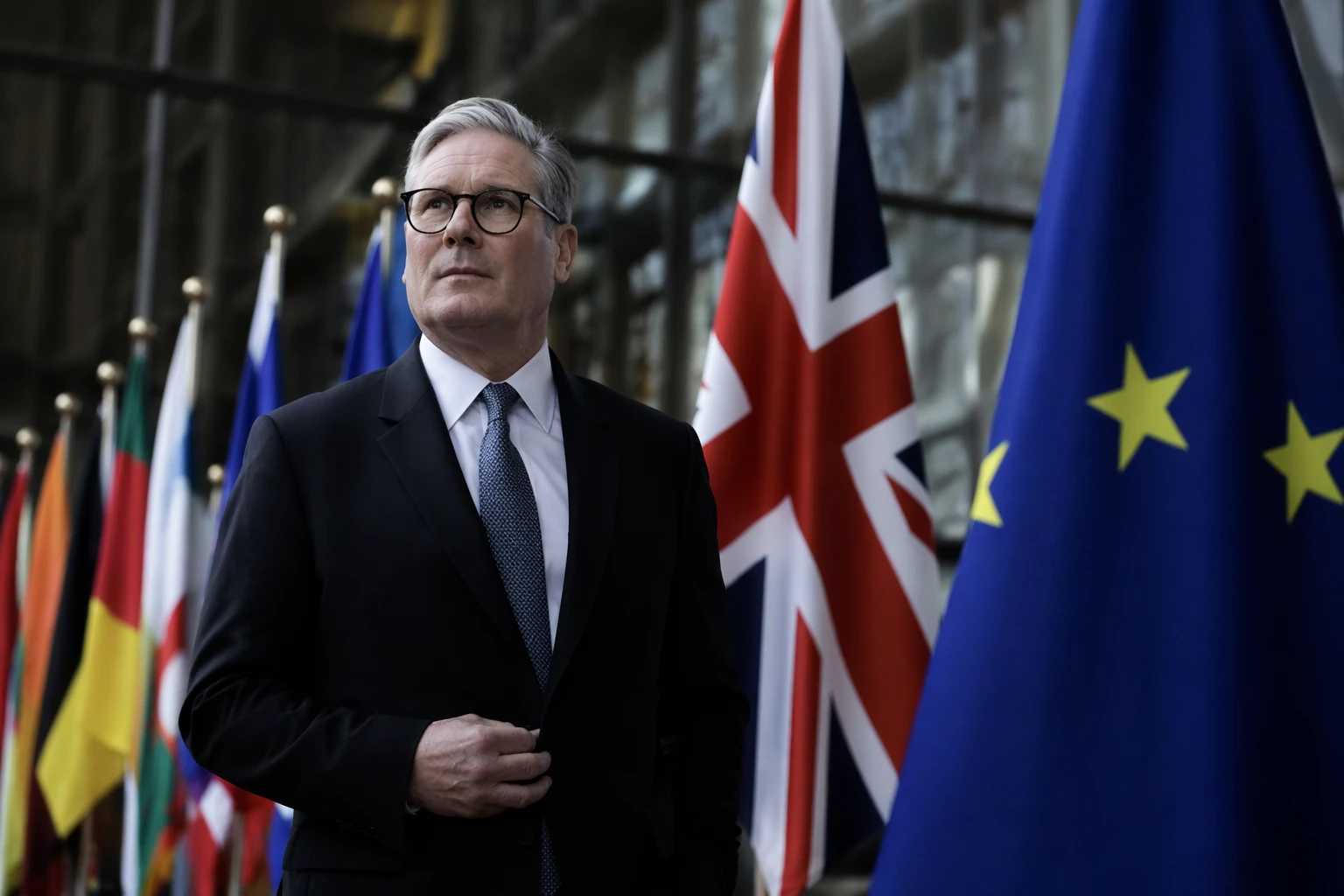
The first Starmer-era UK-EU summit, held in London on 19 May 2025, produced a substantial package and a new Security and Defence Partnership. The two sides also agreed closer cooperation on energy, created dedicated dialogues on short-term business mobility and the recognition of professional qualifications, and opened talks on a youth experience scheme in June 2025. Those are the kinds of deliverables that will matter most in Brussels, where the question is whether the reset can keep moving from symbolism to implementation.
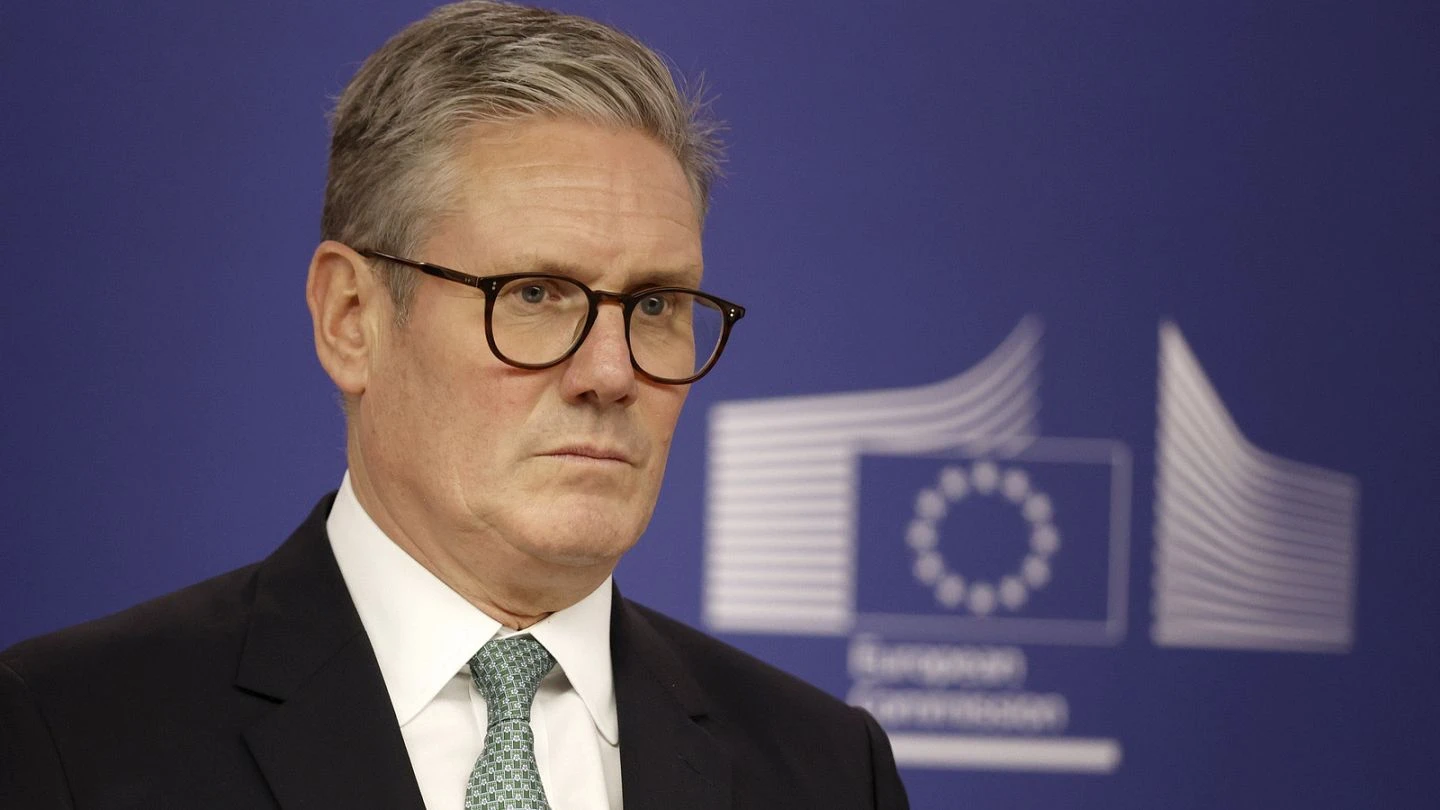
That matters well beyond Westminster and Brussels. Any real progress on a sanitary and phytosanitary agreement, emissions trading or electricity-market cooperation would affect exporters, food producers and utilities on both sides of the Channel, and could ease some of the frictions that still ripple through supply chains and prices. For U.S. businesses with exposure to British and European markets, clearer U.K.-EU alignment would help reduce uncertainty; for Washington, tighter defense coordination could also shape how London and Brussels approach Ukraine and wider security policy.
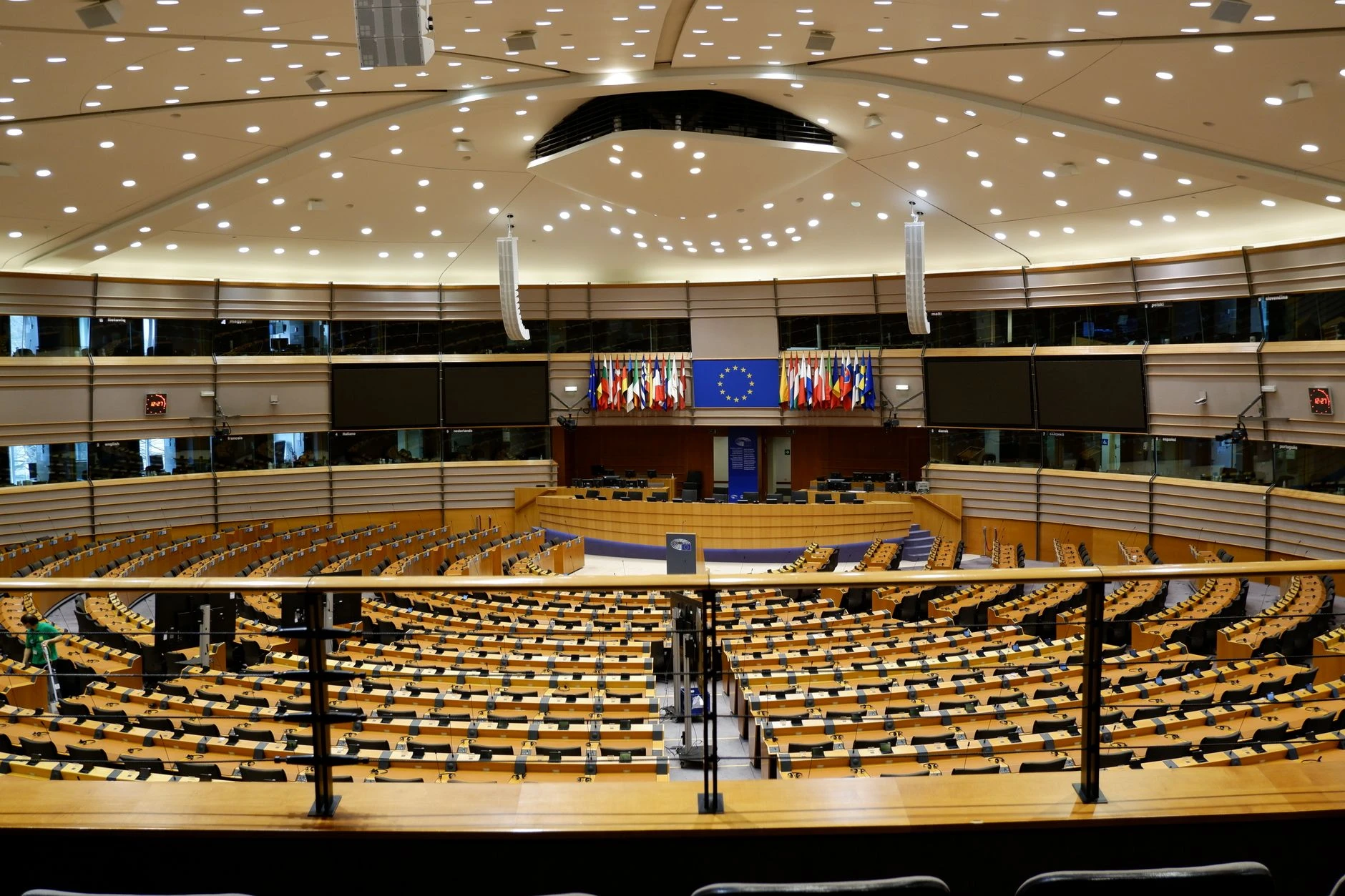
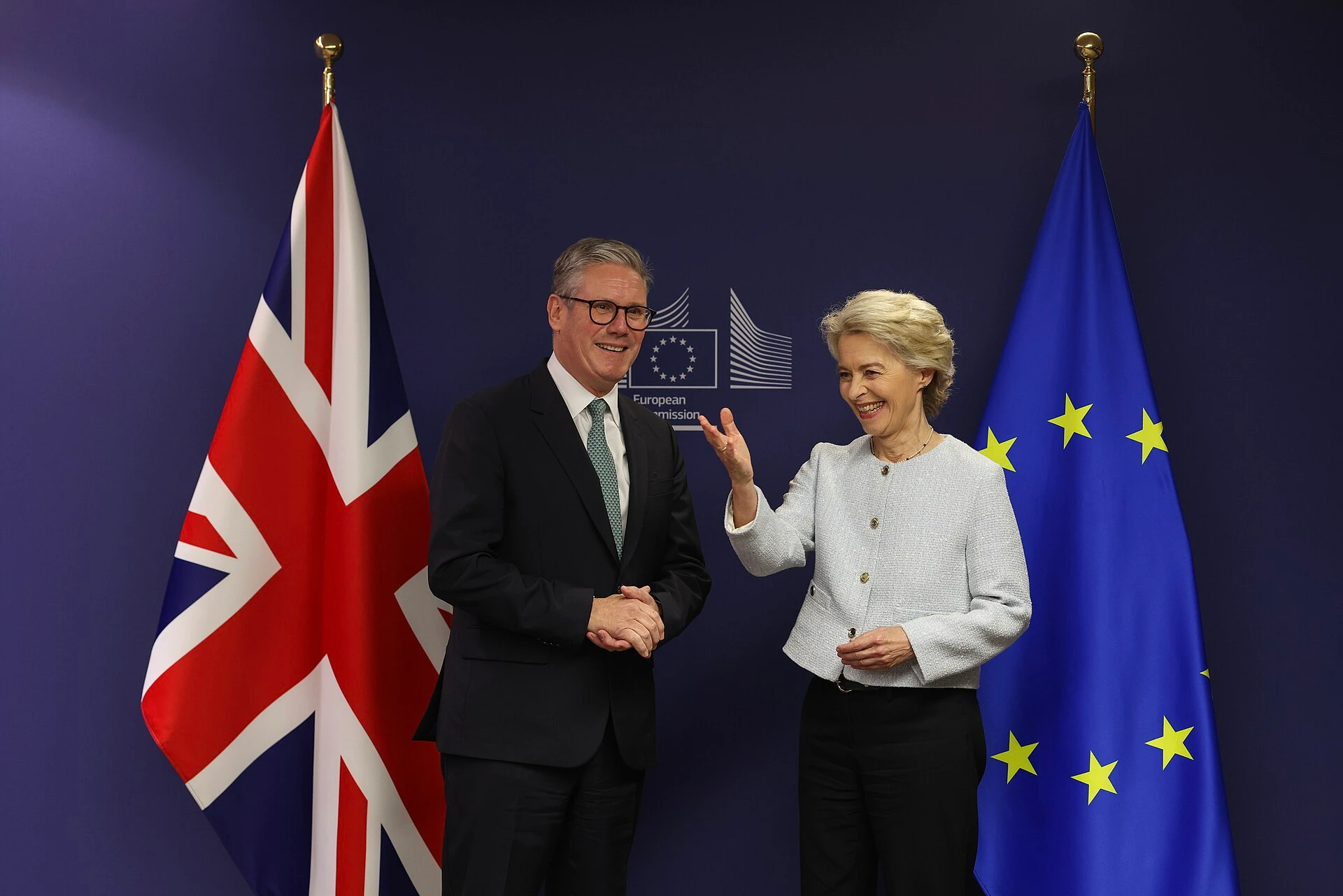
The summit also lands ahead of a formal review of the U.K.-EU Trade and Cooperation Agreement in 2026, giving the July meeting added weight. UK parliamentary briefings have linked progress on the reset to fisheries and youth mobility, while European pressure for movement on those issues has helped define the pace of the talks. Starmer has argued that his government is putting Britain back at the heart of Europe. July 22 will show how much of that promise has reached the negotiating table.