Health
Britain approves Novo Nordisk weight-loss pill in obesity drug race

Britain’s medicines regulator has approved Novo Nordisk’s weight-loss pill, opening the door to the first daily oral GLP-1 treatment for obesity in the UK and sharpening competition with Eli Lilly. The decision gives the Danish drugmaker a needle-free option in a market already reshaped by demand for injectable obesity medicines, but it does not yet guarantee broad public access.
The Medicines and Healthcare products Regulatory Agency cleared the tablet for adults living with obesity and for some patients with a body mass index between 27 and 30 who also have at least one weight-related condition. Novo said the approval was based on its OASIS 4 phase 3 trial of semaglutide tablets 25 mg, in which adults lost about 13.6% of body weight after 64 weeks, compared with 2.4% on placebo. Under a full adherence analysis, the loss was about 16.6% versus 2.7%.
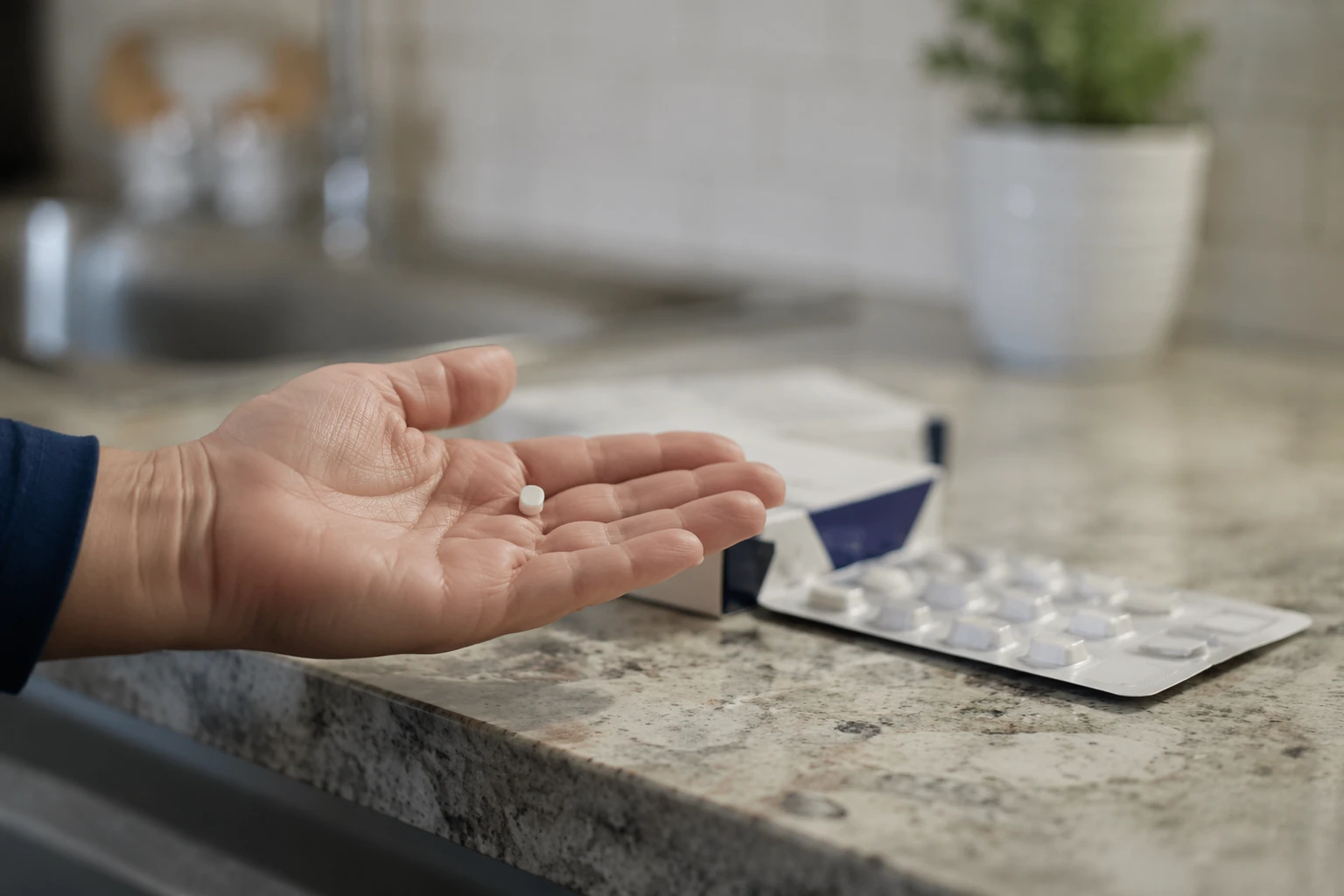
The company said the pill should be available via private prescription within weeks, a timetable that puts early access in the hands of people who can pay out of pocket or use private telehealth channels before any broader National Health Service rollout. The drug starts at 1.5 mg daily and rises stepwise to 4 mg, 9 mg and then 25 mg, with at least a month at each dose level. That dose-escalation plan is designed to reduce side effects, but it also underscores that access will depend on close prescribing oversight.
The approval matters far beyond Novo’s pipeline. It is the first daily oral GLP-1 weight-loss pill approved in the UK and the first oral Wegovy approval in Europe, giving the company an early lead in a category analysts expect could become a major commercial market over the next decade. Novo’s U.S.-listed shares rose on the news, signaling investor confidence that a tablet could widen the addressable market beyond patients comfortable with injections or those blocked by supply and insurance barriers.

For Britain, the public-health stakes are substantial. NHS England says obesity contributed to more than 1.2 million hospital admissions in 2022/23, and the Health Survey for England estimated that 64.5% of adults in England were overweight or living with obesity in 2023/24. University of Glasgow cardiometabolic medicine professor Naveed Sattar said the approval was welcome for people who would prefer not to use injections, but the larger question is whether a premium oral product can shift treatment at scale. NICE still has to review the pill before NHS access can expand, and until then the new option is likely to reach private patients first.