World
Britain heads for worst cereal harvest in four decades after drought
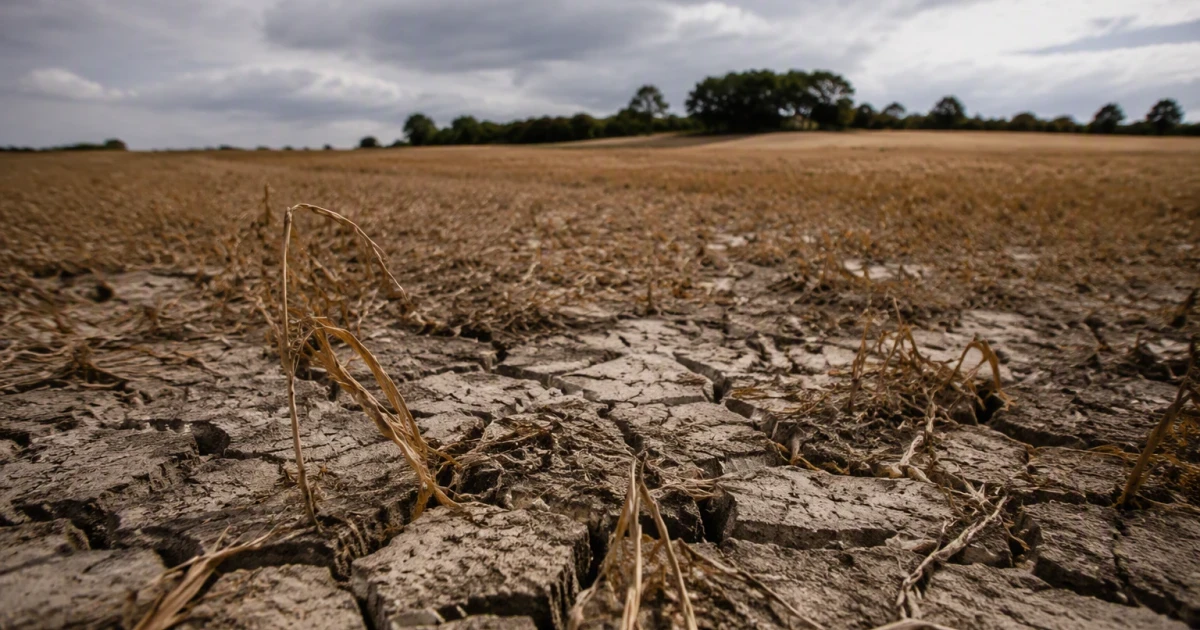
Britain’s cereal harvest was on track to be the worst since comparable records began in 1984 after crops withered through one of the driest and hottest spring-summer periods in recent memory. The shortfall matters well beyond the farm gate because cereals anchor bread, animal feed and industrial food supply, while a weak crop can force more imports and sharper price swings.
The drought started early. The Environment Agency said spring 2025 across England was the driest since 1893, with all areas receiving well below average rainfall. That set the stage for a harvest that the Agriculture and Horticulture Development Board described as “extremely challenging” for many growers, with “considerable variability in yields across the country, within regions and even farms.”
AHDB said the pressure did not come only from weather. In an Aug. 20, 2025 harvest report, it said low prices would significantly hit profitability and cash flow for arable farms even where yields were better than expected, and that the problems were compounded by two difficult years in a row, 2024 and 2025. By Sept. 3, 2025, the board was still reporting an extremely challenging harvest and lower yields as a major issue.
The scale of the damage was reflected in output estimates. The Independent said the exceptionally hot, dry spring and summer could cut the UK cereals and oilseed harvest by 2.5 million tonnes. The Energy and Climate Intelligence Unit said Britain was on course for one of its worst harvests on record after one of the driest springs in 100 years, and its England ranking tracks cereals and oilseeds output back to 1984.
Later AHDB estimates put the UK average winter wheat yield at 7.6 tonnes per hectare, about 6% below the 10-year average. On Sept. 24, 2025, AHDB said the cereal harvest was complete for those reporting in its survey, although small areas of spring barley and pulses remained in Northern Ireland and north Scotland.
For mills and feed buyers, the warning is straightforward: a poor cereal year can tighten domestic supply even in a country that leans on imports. UK Flour Millers said low yields were mainly driven by exceptionally sunny and dry spring conditions across much of the country. That leaves Britain’s food system facing a familiar but intensifying problem, as heat and drought increasingly turn a routine harvest into a question of resilience, pricing and security.