Business
Britain issues grid offers to 713 clean energy projects
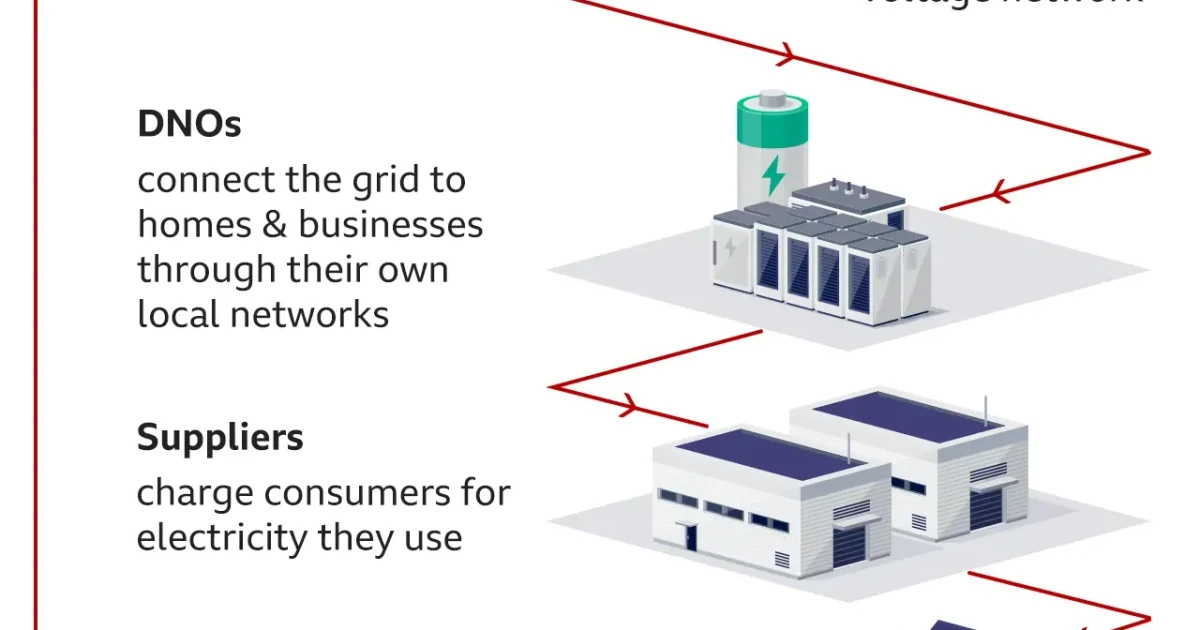
Britain’s National Energy System Operator has started issuing grid connection offers to 713 electricity projects, giving priority to schemes judged ready to build and sending a clear signal that the old queue is being rewritten around deliverability. The offers cover about 37 gigawatts, or 58% of the 1,223 projects in NESO’s 2030 pipeline, a shift designed to turn long-promised capacity into actual steel, concrete and wire on the system.
The winners are the projects that have made it through the new readiness-based process: offshore wind, onshore wind, solar, battery storage, gas and hydro. The losers are the 510 projects that did not receive offers in this round and may now face longer waits, tighter financing conditions or, in some cases, collapse if they cannot show they are viable enough to stay in the queue. For developers, the difference is more than administrative. A grid offer can determine whether lenders back a project, whether a site moves to construction and whether years of planning become bankable power.
The overhaul matters because grid access has become one of Britain’s biggest bottlenecks for energy investment. Under the old first come, first served system, projects could sit for years waiting for a connection date, clogging the pipeline with speculative bids and discouraging capital from flowing to the strongest schemes. NESO said in December 2025 that it had assessed around 3,000 applications while building the new pipeline, a sign of how crowded and competitive the connection process had become.
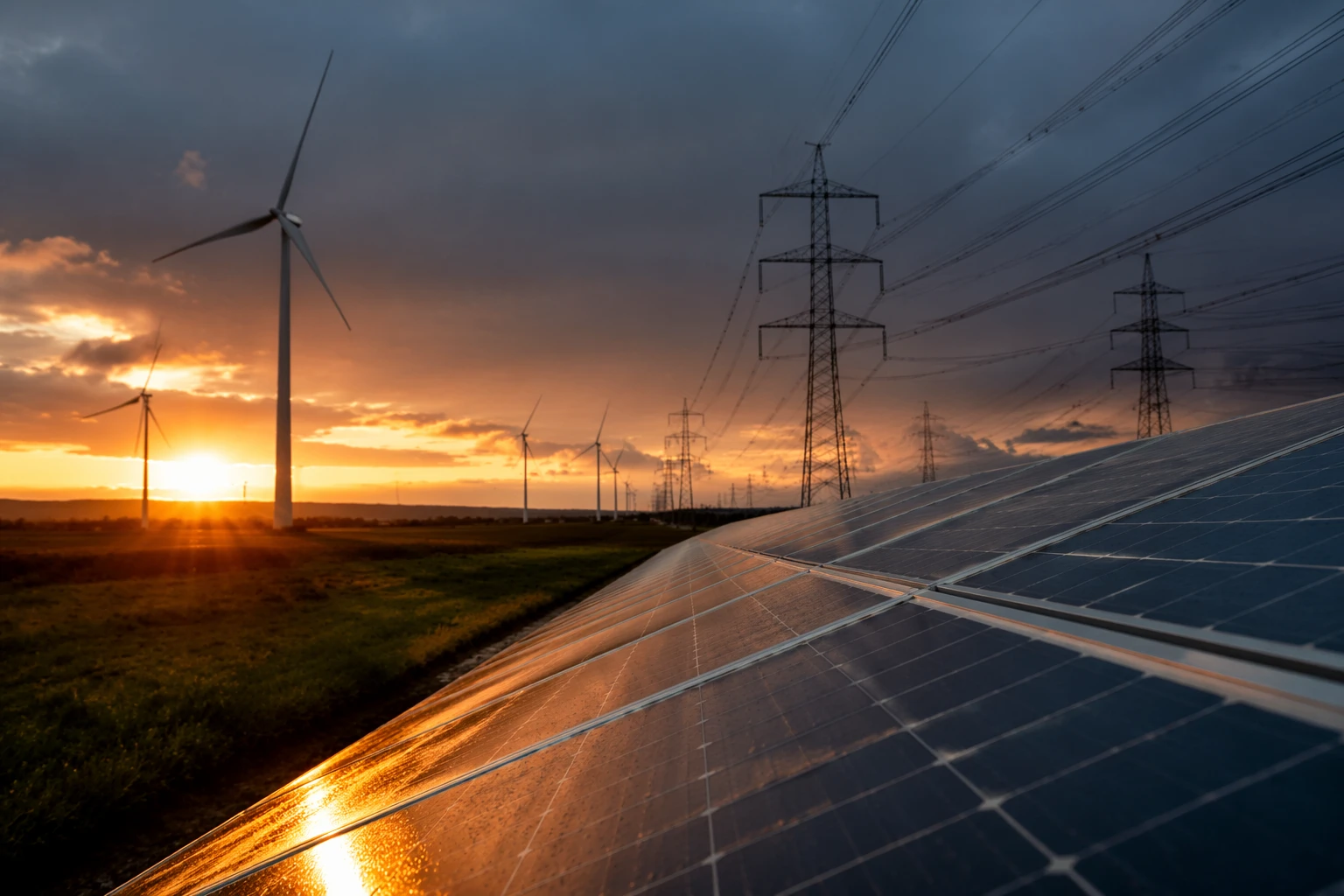
The reform package was approved by Ofgem on April 15, 2025, after two years of work with the UK, Scottish and Welsh governments, network companies and the wider energy industry. It sits inside the UK government’s Clean Power 2030 Action Plan, published in December 2024 and updated in April 2025, which sets a pathway to at least 95% clean power generation by 2030 and net zero by 2050.
NESO has said the new regime could unlock as much as £40 billion in clean investment each year. That scale explains why the queue reset carries implications well beyond the power sector. Faster, more credible connections could help stabilize prices by reducing the risk that Britain underbuilds generation, storage and flexibility. They could also improve reliability by bringing forward projects that support the grid at moments of peak demand. And they are central to decarbonization, because Britain cannot meet its clean power goals if new wind farms, solar parks and batteries remain paper projects instead of operating assets.
Sources
- [1]globalbankingandfinance.com
- [2]neso.energy
- [3]ofgem.gov.uk
- [4]gov.uk
- [5]energylivenews.com