World
Britain Readies Naval Deployment for Strait of Hormuz
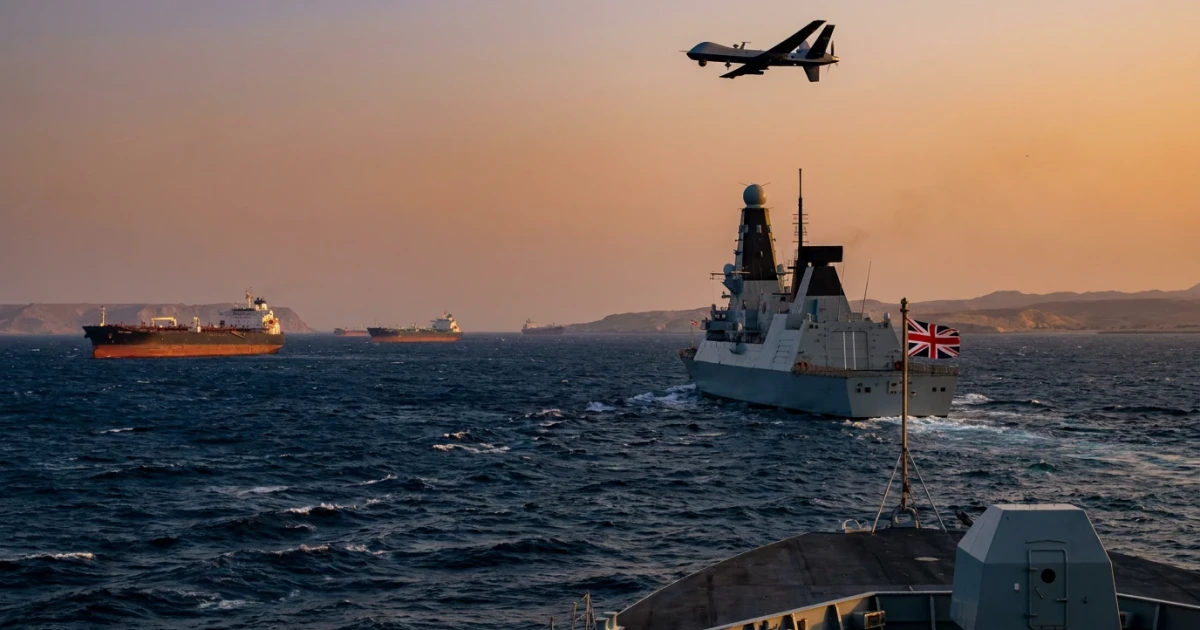
Britain is preparing to deploy naval forces as part of a Europe-led coalition tasked with ensuring the safe passage of commercial shipping through the Strait of Hormuz, one of the world’s most vital maritime chokepoints. The mission comes amid heightened tensions in the region and aims to clear the waterway for international trade.
Strategic Importance of the Strait
The Strait of Hormuz is a narrow channel connecting the Persian Gulf to the Gulf of Oman. According to the U.S. Energy Information Administration, it is the world’s most important oil transit chokepoint, with approximately 21% of global petroleum liquids consumption passing through it daily. This makes the security of the strait critical for the global energy market and international commerce.
Details of the Europe-Led Coalition Mission
Britain’s participation forms part of a broader European initiative. The coalition is expected to deploy a range of military assets, including destroyers, frigates, and advanced surveillance drones, according to reporting by The New York Times. The aim is to deter threats, monitor shipping lanes, and respond rapidly to incidents that could disrupt trade.
- Naval destroyers and frigates: These warships will conduct patrols to protect merchant vessels and maintain a visible presence.
- Unmanned aerial vehicles (drones): Drones will provide real-time intelligence and surveillance, helping to identify potential threats before they escalate.
- International coordination: The mission will involve close cooperation with other European and allied navies for intelligence sharing and joint operations.
While the specific timeline for deployment remains unconfirmed, preparations are reportedly underway for a near-term launch. The UK Ministry of Defence has not yet released official details, but sources indicate that Royal Navy vessels are being readied for immediate action.
Regional Tensions and Security Concerns
The planned mission comes in response to recent security incidents and rising tensions in the Gulf region, which have posed risks to international shipping. Analysts note that the Strait of Hormuz has historically been a flashpoint for geopolitical disputes, making its security a recurring concern for Western governments and global markets.
The Council on Foreign Relations highlights that military and security operations in the strait have a long precedent, with previous coalitions formed to deter threats and safeguard shipping. These efforts are often coordinated with the International Maritime Organization’s maritime security initiatives, which set guidelines and facilitate cooperation among nations.
Implications for Global Trade
Securing the Strait of Hormuz is essential not only for the energy sector but also for global supply chains. According to the UNCTAD Review of Maritime Transport 2022, disruptions in the strait can impact shipping rates, insurance costs, and delivery times worldwide.
European officials have emphasized that the mission is intended to ensure freedom of navigation and uphold international law, rather than escalate regional tensions. The use of advanced drones and coordinated patrols reflects a shift toward more technology-driven maritime security approaches.
Looking Ahead
As Britain and its European partners finalize their preparations, the international community will be watching closely for signs of success—or further escalation. The effectiveness of the coalition’s efforts will likely shape future security arrangements in the Gulf and set precedents for similar missions in other strategic waterways.