Politics
Britain sanctions Russian scientists over Navalny, Skripal chemical weapons
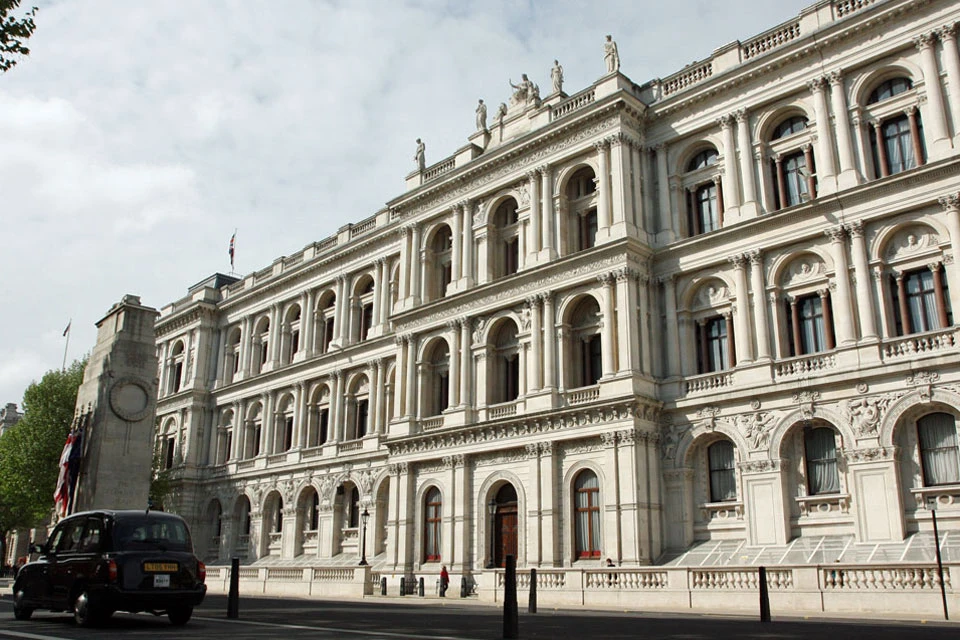
Britain imposed sanctions on nine Russian people and entities, targeting scientists and institutes it says helped develop the chemical agents used against Alexei Navalny and the Novichok network tied to Sergei Skripal. The Foreign, Commonwealth and Development Office announced the move on 6 July 2026 and said seven individuals and two scientific institutes were involved in the research, development and production of Novichok nerve agents and epibatidine, the toxin it links to the poisoning of Navalny and Dawn Sturgess.
The sanctions named the Russian state scientific research institute SC Signal and the State Scientific Research and Testing Institute for Military Medicine among the targets. British officials said the step was meant to punish conduct that violated the Chemical Weapons Convention and to warn that chemical weapons activity remains under close scrutiny even when years have passed since the original attacks. Foreign Secretary Yvette Cooper cast Russia’s repeated use of chemical weapons as a direct threat to global security, and the government has already designated more than 3,250 individuals, entities and ships under its Russia sanctions regime as of April 2026.
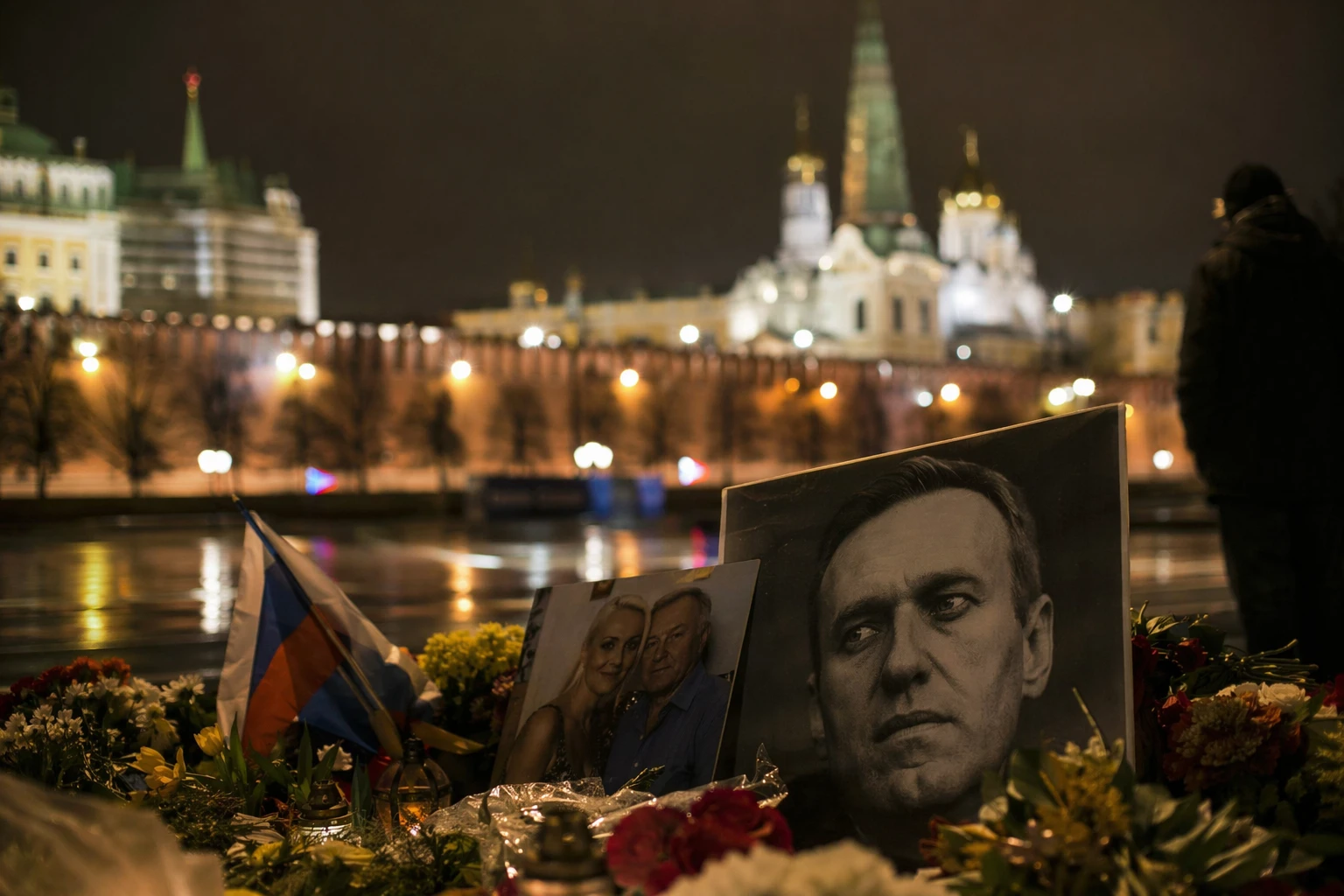
The new sanctions build on a February 2026 assessment in which Britain, Sweden, France, Germany and the Netherlands said they were confident Navalny had been poisoned with epibatidine after laboratory analysis. Epibatidine is found in poison dart frogs in South America and is not naturally found in Russia, a detail that has shaped Britain’s view of how the poison was obtained and used. Navalny died in an Arctic penal colony in 2024, while Dawn Sturgess died in Salisbury in 2018 after exposure to Novichok. Those deaths keep the legal and political record of the attacks open, even as the passage of time makes direct enforcement harder.
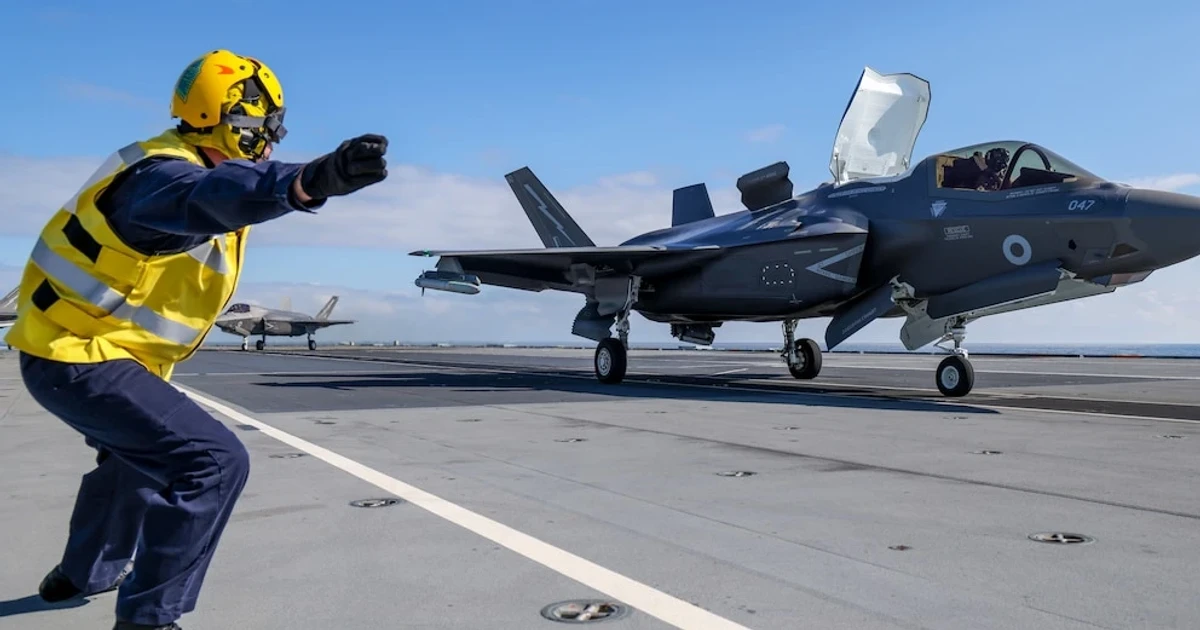
The timing also placed the sanctions alongside a separate defense ministry disclosure that British F-35 fighter jets intercepted a Russian Bear-F maritime patrol aircraft near HMS Prince of Wales in the Norwegian Sea. The Russian aircraft passed at low altitude and close to the carrier strike group, dropped sonobuoys and was then escorted away. Together, the sanctions and the interception show London pressing Russia on two fronts: covert weapons work that still carries legal and diplomatic consequences, and military behavior in the North Atlantic and High North, where Britain has kept its carrier strike group deployed as part of NATO deterrence. The immediate effect may be limited, but the message is sustained pressure and a refusal to let the chemical-weapons cases fade from international security policy.
Sources
- [1]abcnews.com
- [2]gov.uk
- [3]legislation.gov.uk