Politics
Britain weighs defense spending as minister quits over budget dispute
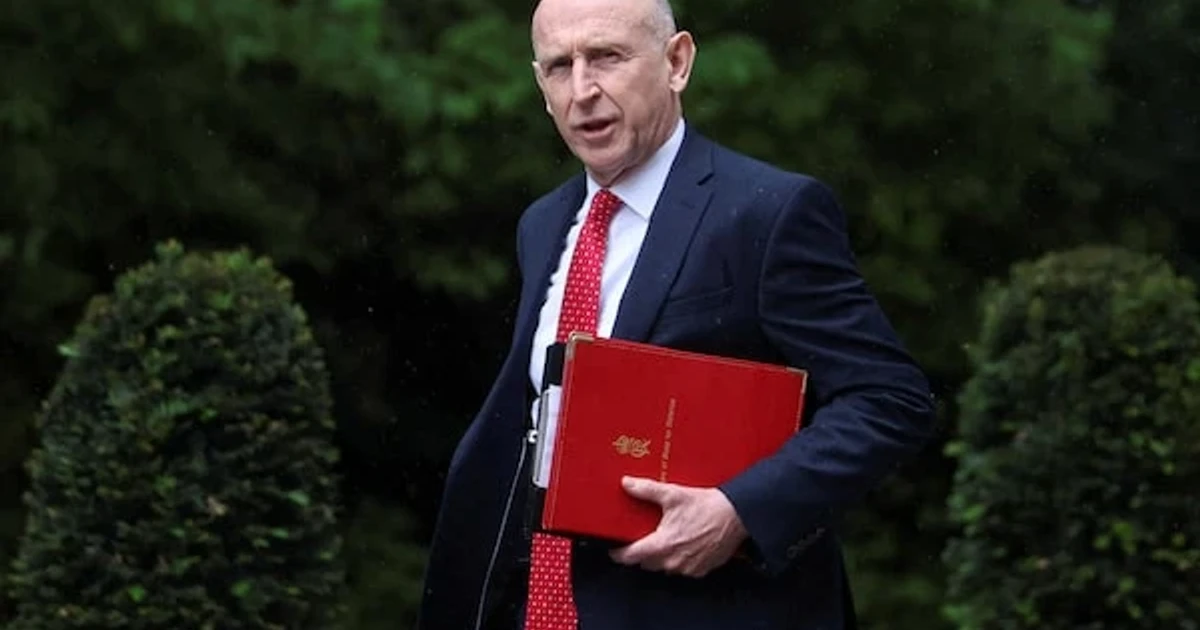
John Healey resigned as defence secretary after a dispute over the money available for Britain’s military plans, turning a long-running budget fight into a public test of Keir Starmer’s authority. Armed Forces minister Al Carns also quit over the same row, underscoring how sharply the dispute has split ministers over what the country can afford.
At stake is more than one post. The government pledged on February 25, 2025, to lift defence spending to 2.5% of GDP from April 2027, with an ambition to reach 3% in the next parliament if fiscal conditions allow. Healey’s resignation letter said the settlement for the Defence Investment Plan fell well short of what was required, and he warned that the choices being forced on him would reduce readiness and increase risk to personnel on operations.
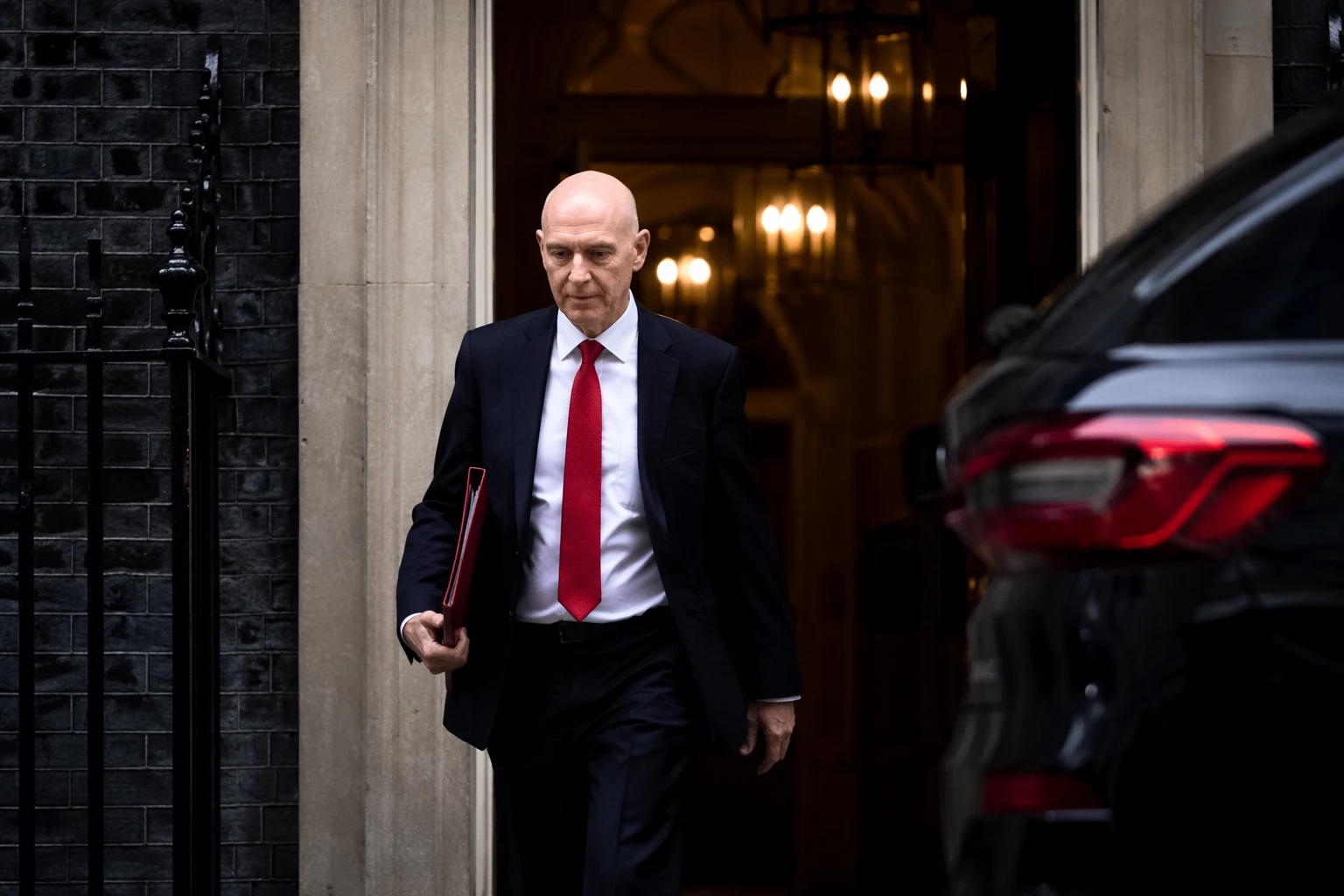
The pressure comes as Britain is trying to match a harder security environment with tight public finances. The Strategic Defence Review 2025, published on June 2, 2025, said the threat facing the UK was more serious and less predictable than at any time since the Cold War, citing war in Europe, growing Russian aggression, new nuclear risks and daily cyber-attacks at home. Those warnings make the spending row especially consequential, because the argument is no longer about abstract ambition but about whether the armed forces can be sustained at the pace ministers have promised.
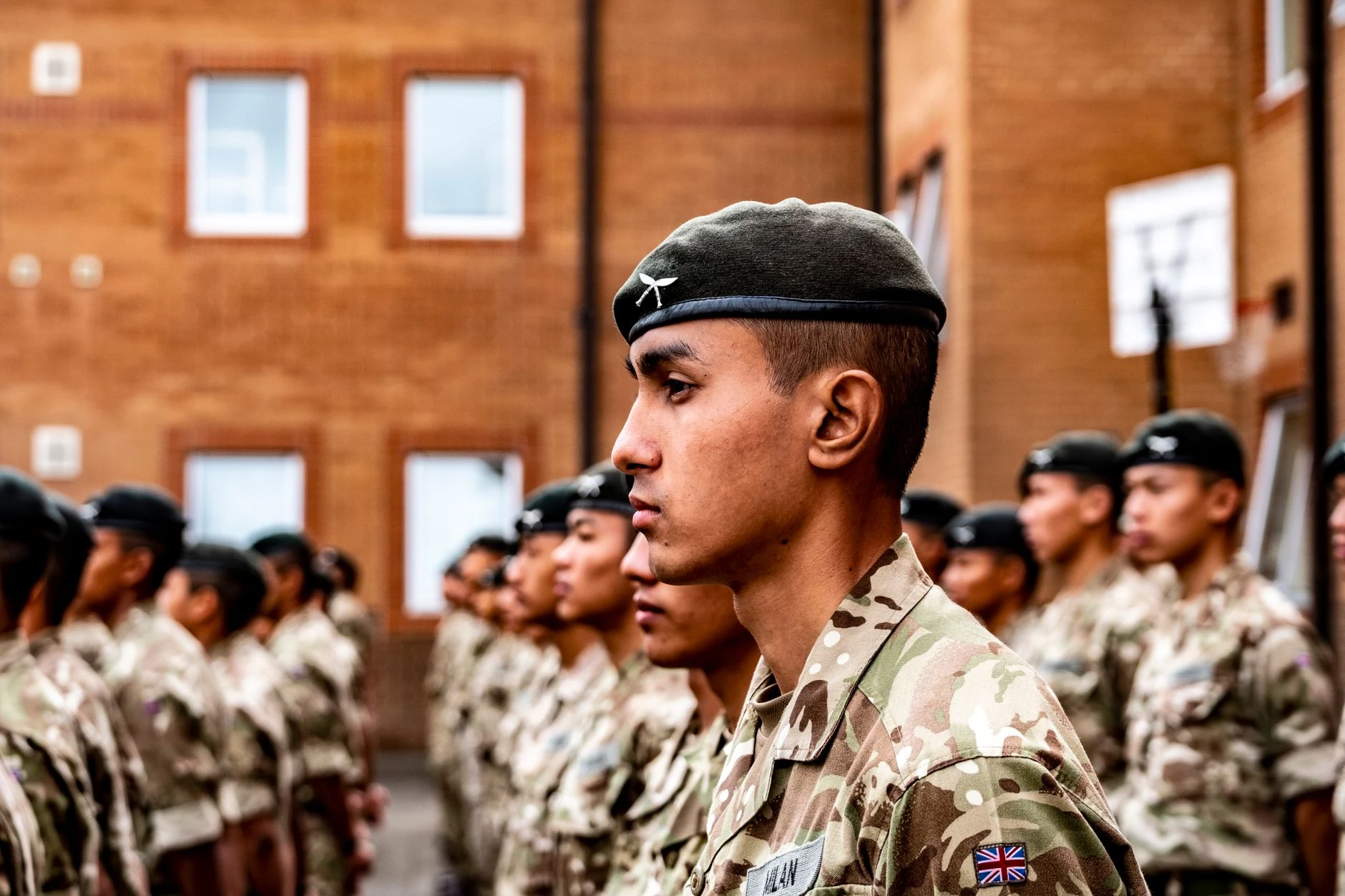
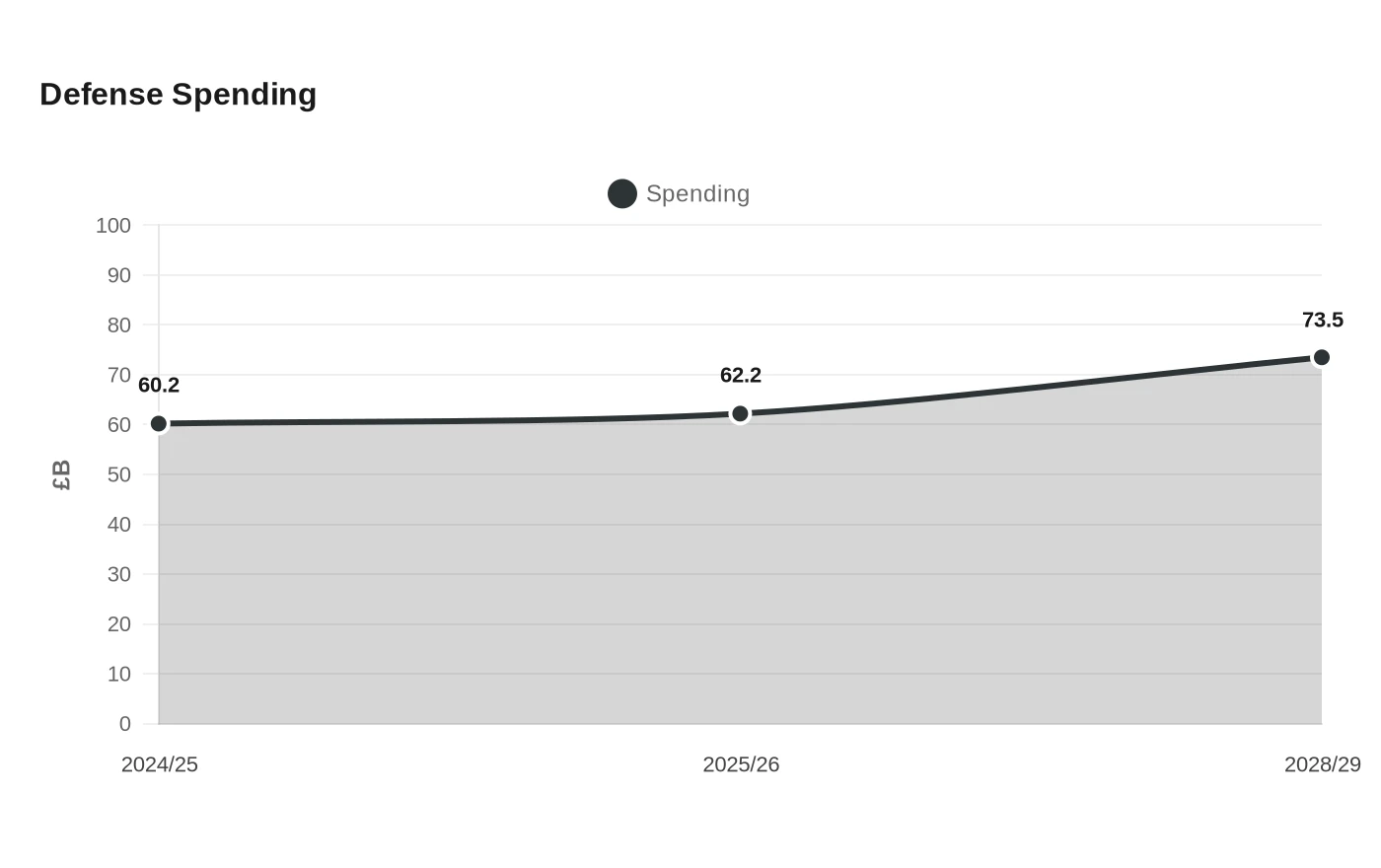
The numbers show the scale of the gap. The House of Commons Library said the UK spent £60.2 billion on defence in 2024/25, with spending planned to rise to £62.2 billion in 2025/26 and £73.5 billion in 2028/29. Government figures put defence spending at 2.33% of GDP in 2024. Britain has met NATO’s 2% guideline every year since 2006, but the current dispute is about whether that record is enough when ministers are talking about a more demanding force posture and a larger role in European security.
The immediate flashpoint was the Defence Investment Plan, which was originally expected in the autumn and was later delayed until before a NATO summit in early July. A parliamentary committee said the delay undermined the UK’s credibility with allies and could make procurement more expensive. That warning goes to the heart of Britain’s strategic standing: if ministers cannot agree on the money, procurement slows, modernization slips and readiness suffers just as allies are looking for reassurance.
Tan Dhesi, who chairs the Defence Select Committee, said the government must treat the warning with the utmost seriousness, and the committee said defence investment should be accelerated to reach 3% of GDP by the end of the Parliament. Chatham House has argued the government has not fully funded its own 2025 review, despite accepting all 62 recommendations. For Starmer, the result is a reality check: Britain can promise strength abroad, but without a settled budget, that strength will look increasingly fragile at home and less dependable in NATO.