Politics
Britain's armed forces face cutbacks unless funding gap is closed
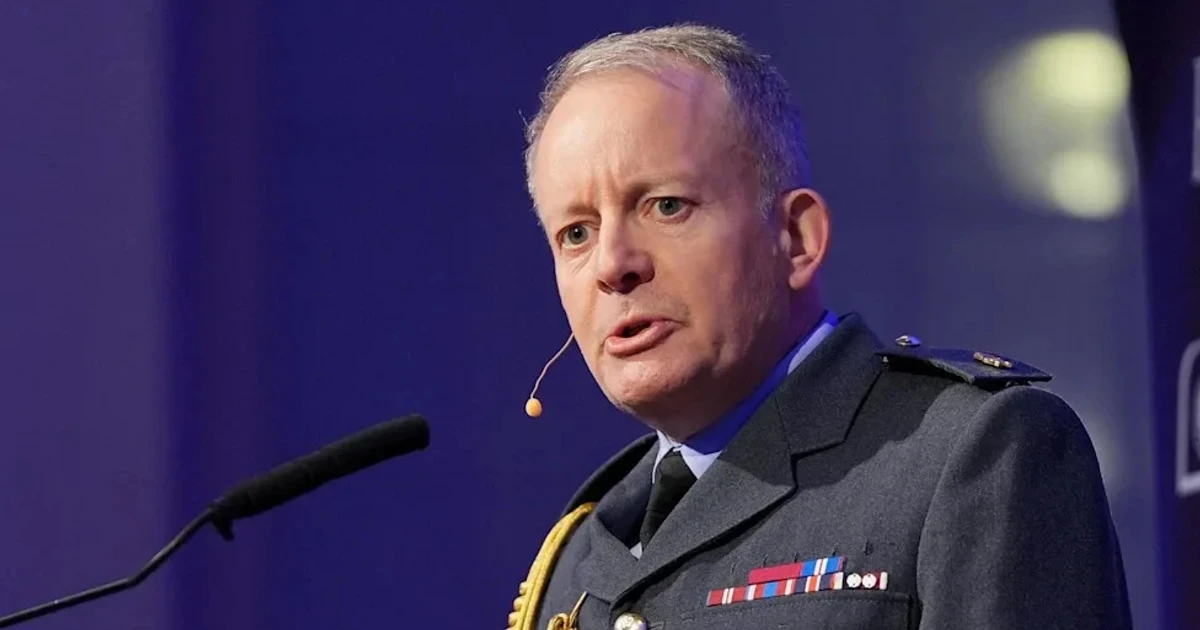
Britain’s armed forces may have to cut back operations, exercises and training unless ministers close a funding gap that senior commanders say is already hurting readiness. Air Chief Marshal Sir Richard Knighton told the House of Lords International Relations and Defence Committee that the Defence Investment Plan did not provide enough money for day-to-day activity in the near term, even as Britain prepares to meet NATO expectations for higher spending.
Knighton said the shortfall could force the military to "dial back" what it does in practice. That means fewer deployments, less time on the exercise range, and slower training cycles for soldiers, sailors and air crews who need constant repetition to stay ready for operations from the North Atlantic to the Middle East. The warning sharpened a dispute that has been building around how fast Britain can turn spending pledges into usable capability.
The government has said defence spending will rise to 2.5% of GDP from April 2027, with an ambition to reach 3% in the next parliament. It later projected a split of 3.5% for core defence and 1.5% for resilience and security by 2035. But Ministry of Defence figures published in December 2025 put UK defence spending at 2.33% of GDP in 2024, up from 2.25% in 2023. In the same bulletin, NATO members spent $1,451 billion in 2024, the largest annual increase since the series began in 2014, and Germany overtook Britain as the alliance’s second-highest spender behind the United States.
The pressure is now political as well as military. John Healey and Armed Forces minister Al Carns resigned on June 11 over the funding settlement, and the Defence Investment Plan was delayed after Healey’s exit. Prime Minister Keir Starmer told NATO Secretary General Mark Rutte he would publish the plan before the summit, but Dan Jarvis was left reviewing how the money would be allocated. The Strategic Defence Review 2025 said the plan was meant to guide transformation and recapitalise infrastructure after years of underinvestment.
For commanders, the issue is not only a headline target set years ahead. It is whether Britain can keep fuel in the tanks, aircraft in the air and units on exercise now, while Russia’s pressure on Europe keeps rising. Knighton said earlier this month that the United Kingdom was "running out of time" to boost defence, and his latest warning turned that message into a practical test of capability: without near-term cash, readiness itself may be what gets cut.
Sources
- [1]yahoo.com
- [2]gov.uk
- [3]assets.publishing.service.gov.uk
- [4]bloomberg.com
- [5]defensenews.com
- [6]telegraph.co.uk
- [7]chathamhouse.org