Business
Britain's electric vehicle sales exceed July mandate targets
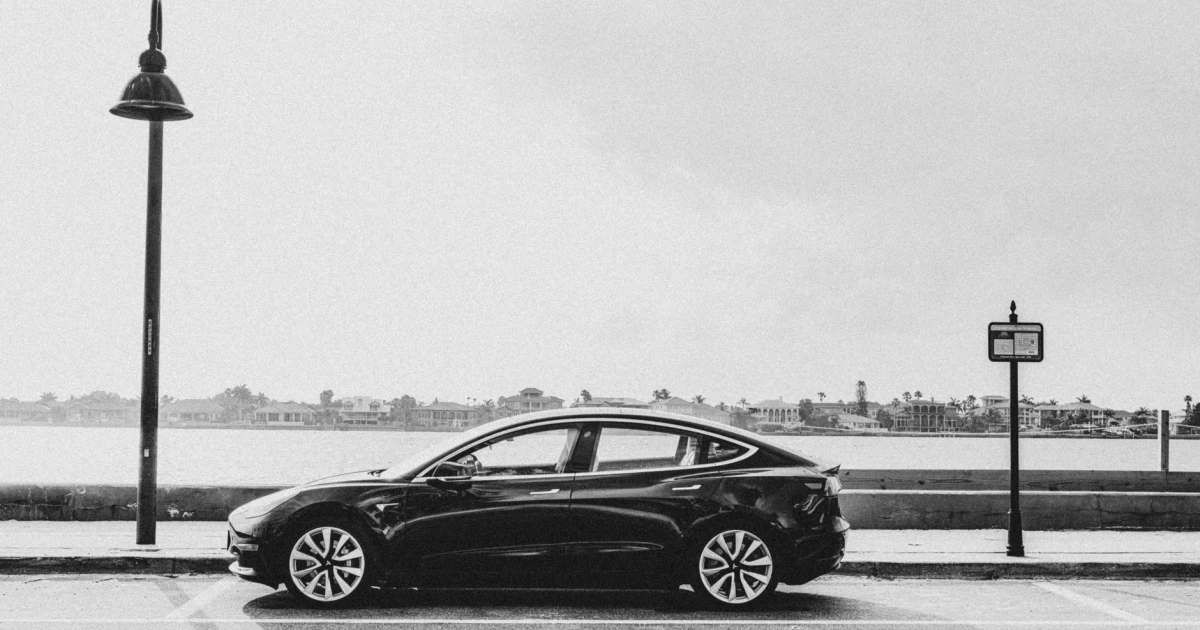
UK electric vehicle sales in July stayed ahead of the sales path needed to comply with Britain’s zero-emission vehicle mandate, according to New AutoMotive data. The result gave ministers and manufacturers a fresh sign that the market is still tracking the rulebook rather than slipping behind it, even as the transition remains sensitive to prices, charging access and buyer confidence.
The mandate was built through a Department for Transport consultation in 2023, with the government’s joint response published in September 2023 and updated in October. It is one of the central tools Britain is using to push new-car sales away from petrol and diesel and toward battery-electric and plug-in hybrid models, while cutting transport emissions, one of the country’s biggest sources of carbon pollution. A House of Commons ministerial statement on the policy on 7 April 2025 showed how closely Parliament has been watching whether the market can absorb the targets without disruption.
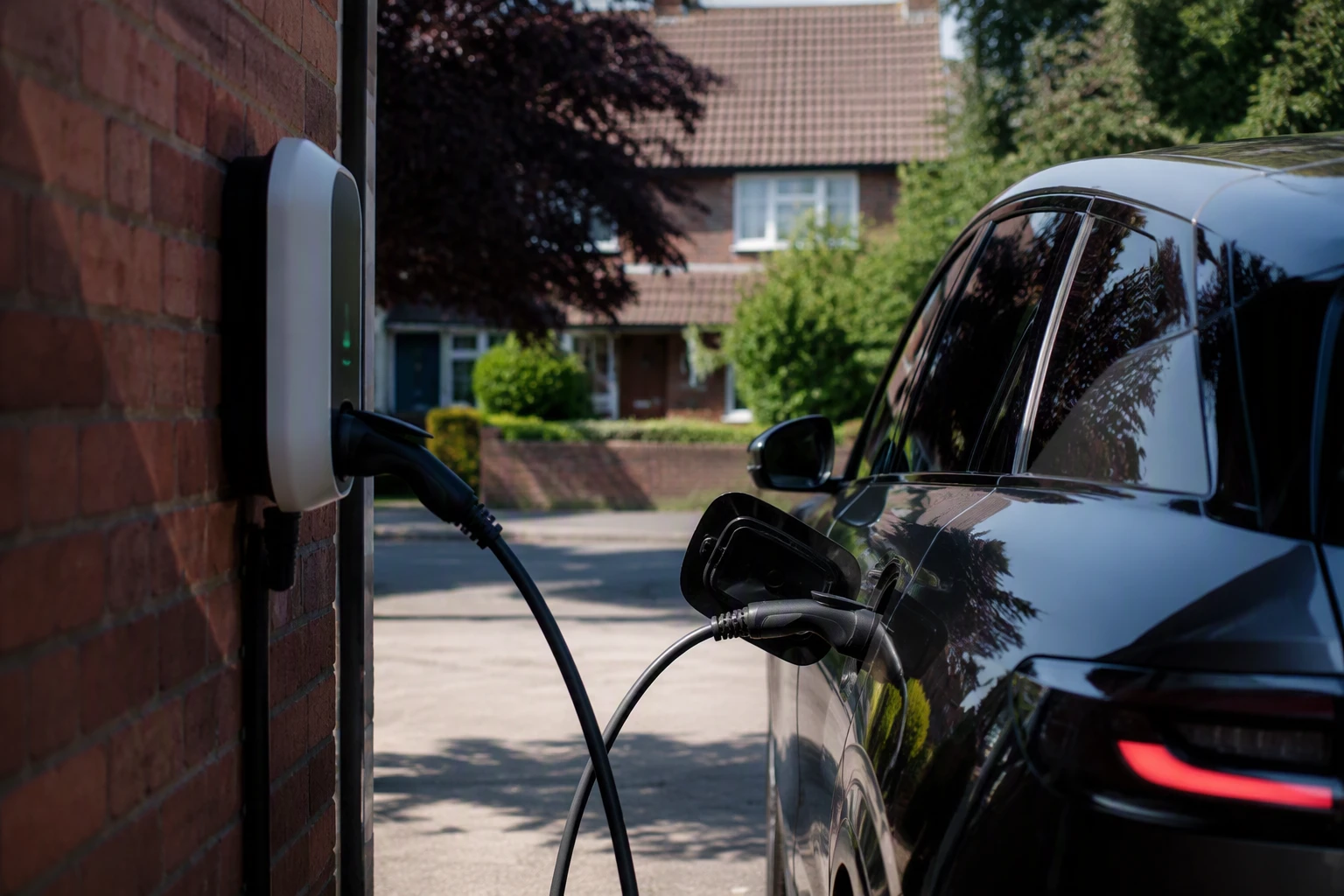
The broader sales trend has been moving up. New AutoMotive’s written evidence to Parliament said battery electric vehicles reached a 23.4% market share in 2025. Transport & Environment’s UK figures put EVs at 19.6% of UK car sales in 2024, alongside 1.4 million zero-emission vehicles registered nationwide and more than 75,000 EV chargers. That same data set said new EVs were available from £15,000 and had an average range of 300 miles, figures that help explain why adoption has widened beyond early buyers.
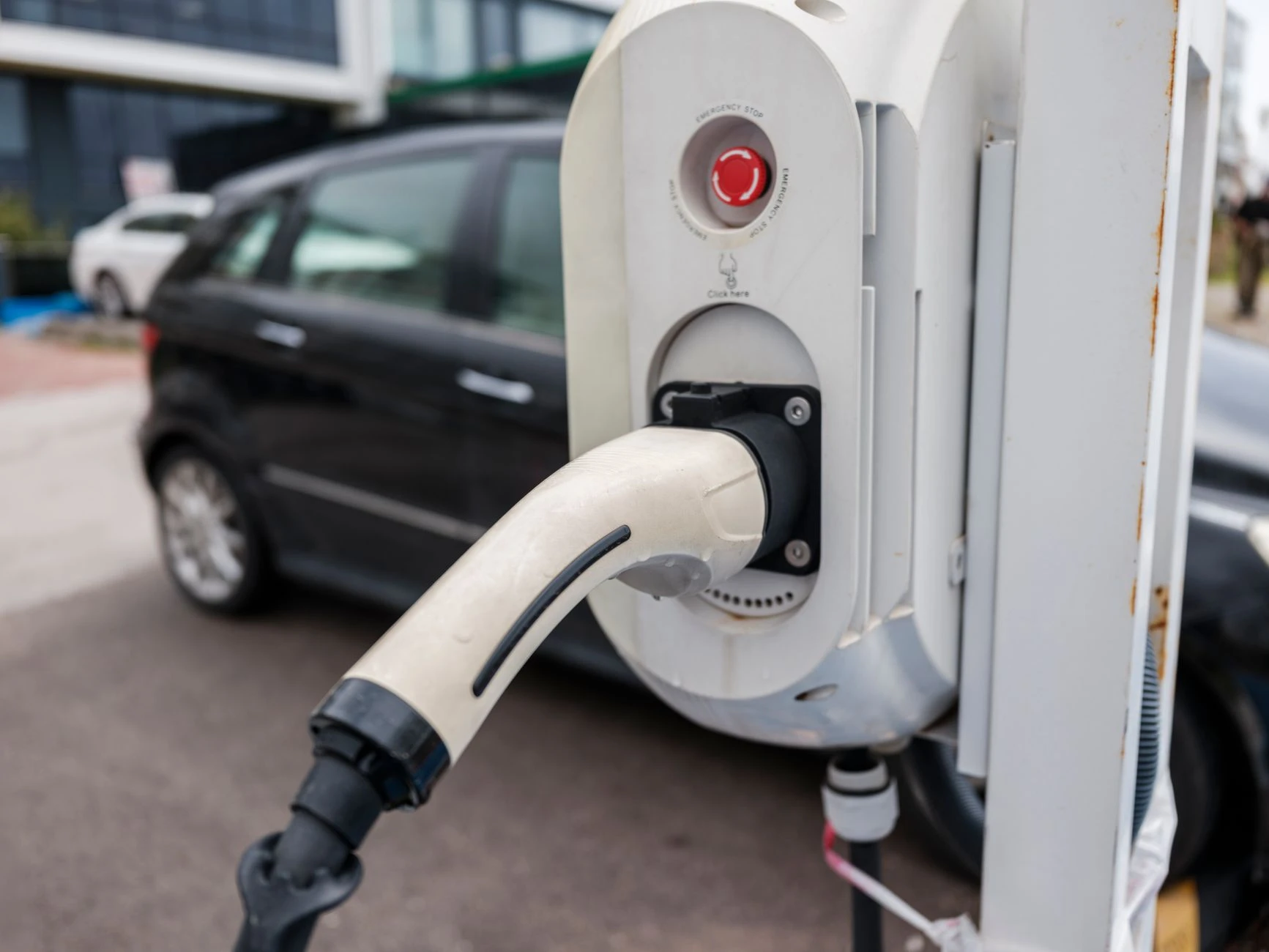
Even so, the harder test is whether the July pace can hold as subsidy changes, charging-network reliability, insurance costs and the availability of affordable small cars continue to shape demand. Carmakers have warned for months about compliance costs and pressure on margins, while Transport & Environment argued in June 2025 that weakening the mandate would be bad for drivers, the environment and British manufacturing. The International Council on Clean Transportation warned in May 2025 that proposed changes could create flexibility or uncertainty, and Transport & Environment said in June 2026 that the industry’s case for weakening the rules did not stack up. July’s sales strength suggests the mandate is working in practice, but the transition still depends on whether cheaper models and reliable charging can reach the buyers who have not yet switched.
Sources
- [1]reuters.com
- [2]youtube.com
- [3]committees.parliament.uk
- [4]uploads.transportenvironment.org
- [5]eciu.net
- [6]transportenvironment.org
- [7]theicct.org
- [8]bbc.com
- [9]gov.uk