World
Britain’s farms rely on seasonal workers from Central Asia
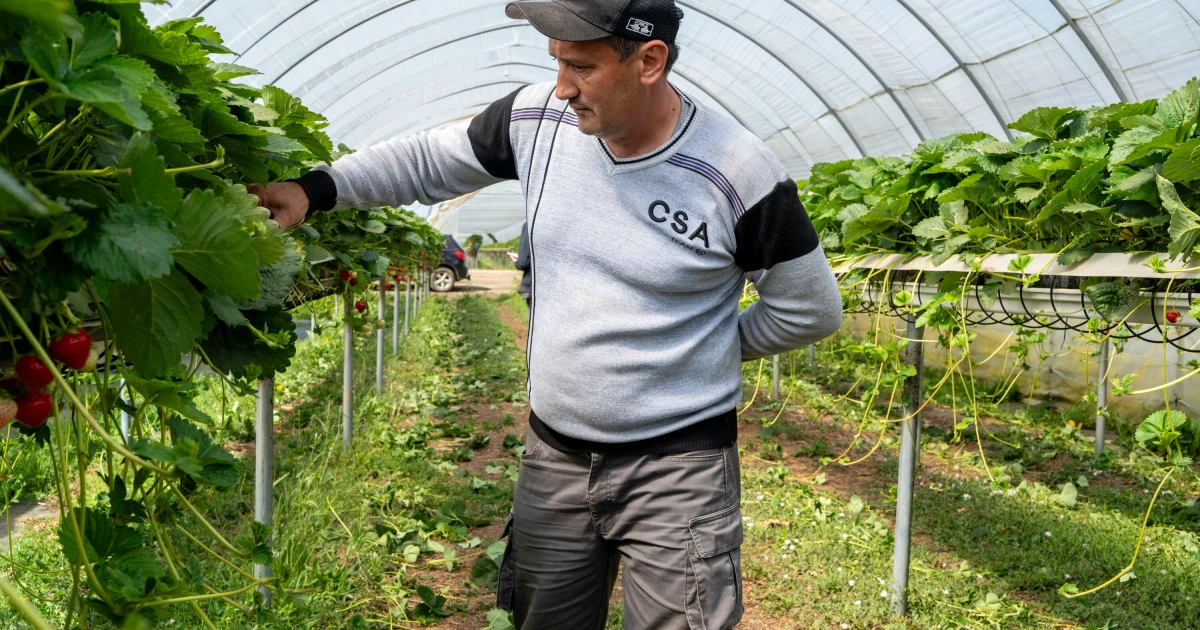
British strawberries are being picked by workers from Kyrgyzstan, Tajikistan, Kazakhstan and Uzbekistan, not by the domestic labour force Brexit was supposed to free up. In the government’s 2024 survey of Seasonal Worker visa holders, 91.5% of respondents came from those four Central Asian countries, with Kyrgyzstan the largest single nationality at 4,879 respondents.
That reliance has become central to British farming. The Seasonal Worker Scheme began as a pilot in 2019 and has been extended to run until at least 2029. The government confirmed 43,000 horticulture visas and 2,000 poultry visas for 2025, then later set 41,000 horticulture visas and 1,900 poultry visas for 2026. Ministers say the route helps bring British produce including strawberries, rhubarb, turkey and daffodils to market.
The scale of the shift is striking. The scheme has expanded from under 3,000 visas in 2019 to as many as 57,000 available in 2024, including poultry. The Migration Advisory Committee has said seasonal agricultural work is physically demanding, low-wage and often rural, which makes local recruitment difficult. It also concluded that Britain’s dependence on migrant seasonal labour is unlike any other sector in the country.
Farm groups say the system has become indispensable. The National Farmers’ Union has warned that certainty over visa numbers is critical, and Tom Bradshaw has said the horticulture and seasonal poultry sectors could not function without seasonal workers. That dependence now stretches well beyond Europe, reflecting the way post-Brexit border politics has collided with the practical demands of harvesting fruit and vegetables on time.
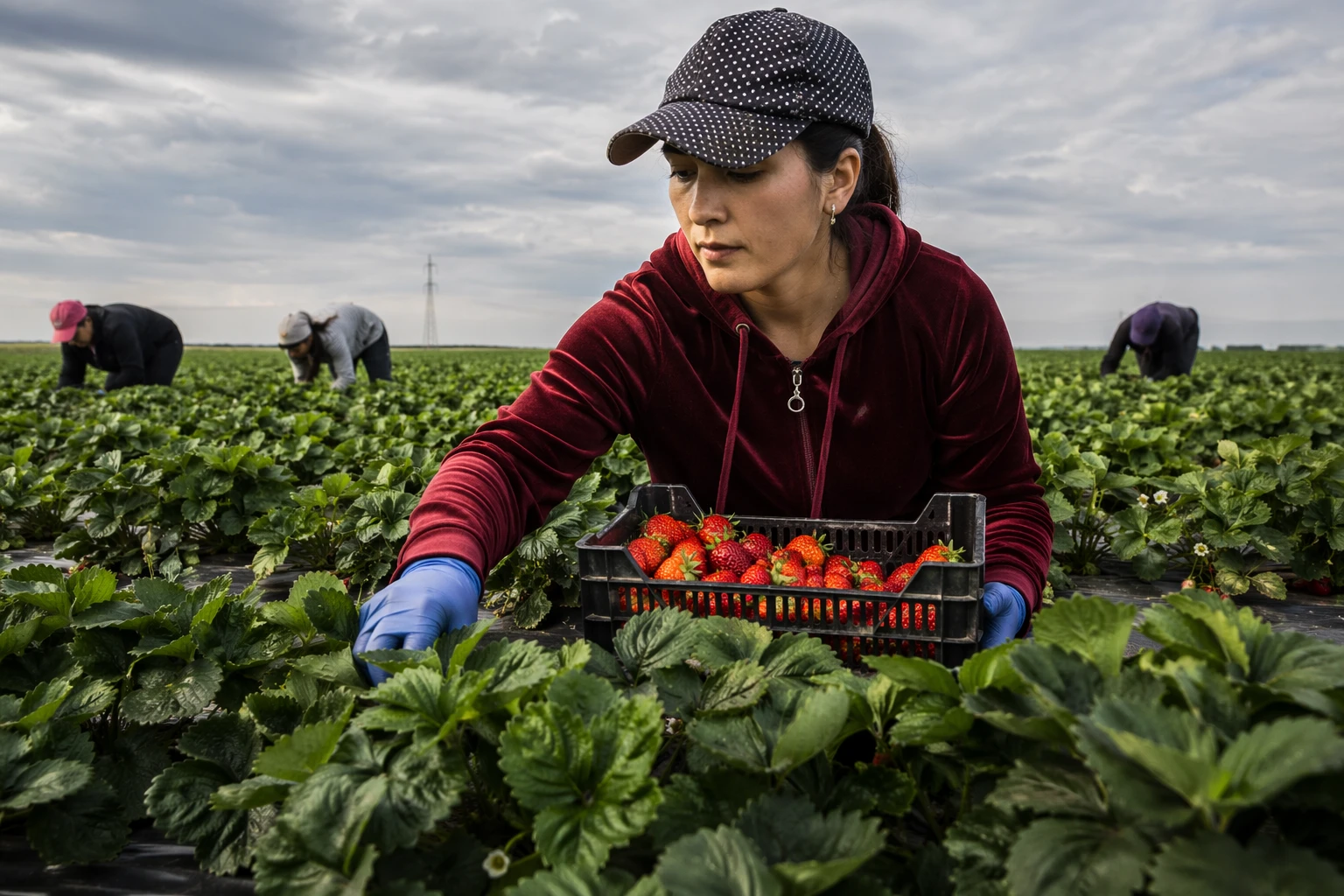
The government’s own survey suggests many workers had positive experiences, even as they carried the costs themselves. Of 14,012 respondents, 94.4% said they paid for their visa, 56.7% paid travel costs, 91.0% reported a positive overall experience and 95% said they would like to return. More than 91% had worked in the UK for more than four months.
But the labour model carries a darker side. Parliamentary evidence and civil-society groups have warned that workers can arrive with significant debts because they usually pay their own migration costs. Some have told Parliament they were threatened with visa cancellation, wage deductions and deportation if they did not pick fast enough, and said some farms treated them like chattels rather than humans. Focus on Labour Exploitation has warned that rapid expansion has brought risks around debt, loss of work after a few months and dependence on scheme operators for housing, information and access to jobs.
The workers coming to Britain now show where the country’s farm economy has landed: farther from the EU, deeper into Central Asia, and still reliant on imported labour to keep the strawberry shelves full.