Business
Britain's May deficit jumps as inflation drives debt costs higher
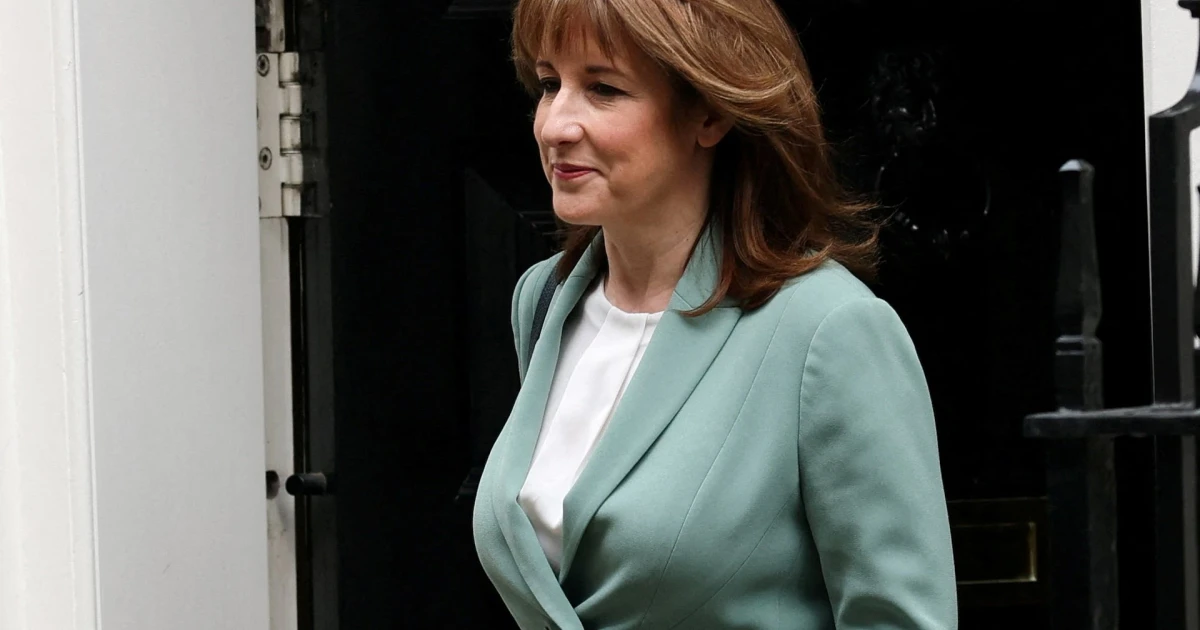
Higher inflation tightened Britain’s fiscal squeeze in May, lifting the government’s borrowing bill just as Rachel Reeves tries to hold the line on debt. Public sector net borrowing rose to £23.3 billion, £5.4 billion more than a year earlier and well above the £17.7 billion forecast by the Office for Budget Responsibility.
The Office for National Statistics said the jump was driven in large part by the cost of index-linked debt, which rises with inflation and carries more weight in Britain’s debt stock than in many other countries. Retail price inflation was 3.1% in May and is expected to move higher, which threatens to push debt-servicing costs up again. Reuters said debt costs in May were 54% higher than a year earlier.

The scale of the deterioration matters because it is already showing up across the year. Borrowing in the first two months of the financial year reached £46.3 billion, £8.9 billion above the OBR’s March forecast. The current budget deficit, which covers day-to-day public spending, was £18.5 billion in May and £34.5 billion for the financial year to May. That leaves Reeves with less room to meet her promise of balancing tax revenues and non-investment spending by 2029/30.

The broader debt picture is no easier. Britain’s debt burden remains close to 95% of GDP, near its highest level since the 1960s, while the government borrowed about £66 billion across April and May, according to ICAEW analysis of the ONS figures. ICAEW said provisional public-sector net debt reached £2,984 billion on 31 May, underscoring how quickly higher interest costs are feeding through the public finances.

The ONS said May borrowing was the second-highest for that month since records began in 1993, behind only May 2020 during the first Covid lockdown. That makes the latest figures more than a one-month disappointment: they are an early warning that the government may face another difficult fiscal reckoning later this year, as higher inflation, rising debt interest and pressure for more defense spending collide with Reeves’ budget rules. The next public sector finances update is due on 21 July.
Sources
- [1]finance.yahoo.com
- [2]ons.gov.uk
- [3]uk.finance.yahoo.com
- [4]icaew.com