World
Britain's problems run deeper than any change in leadership
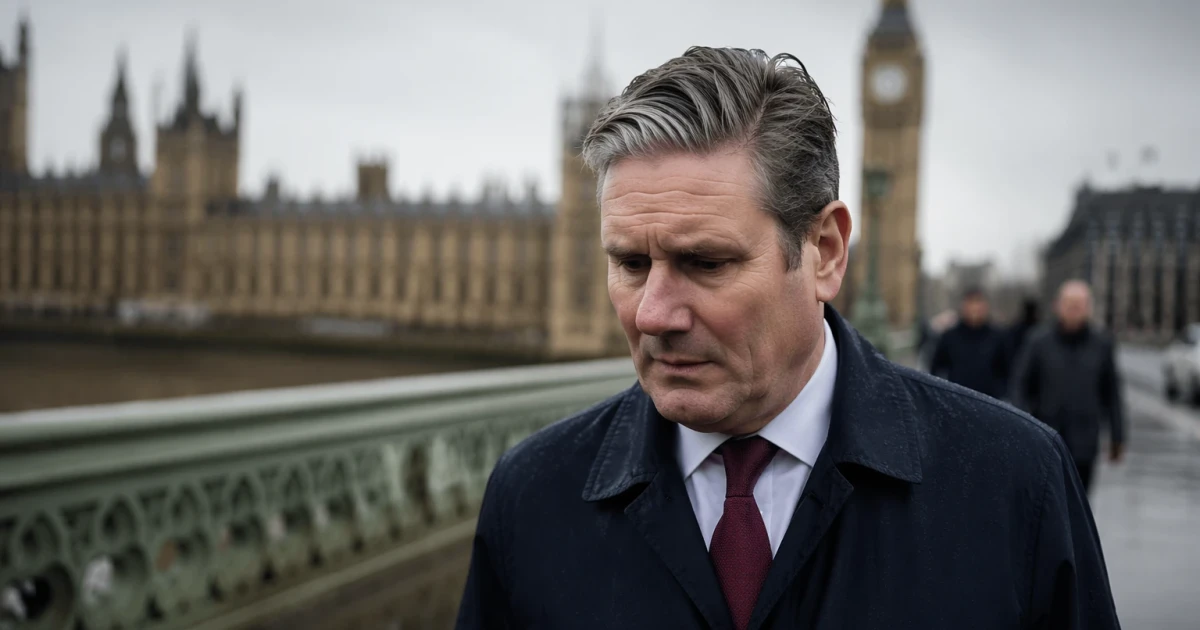
Britain’s underlying problems are not cosmetic. The latest Office for National Statistics labour market bulletin, published on 18 June 2026, arrives alongside inflation still running at 2.8% in the 12 months to May and CPIH at 3.0%, a reminder that the cost-of-living squeeze has not gone away. At the same time, the NHS in England remains under heavy strain, with demand, backlogs, capacity pressures, staffing gaps and long waits still evident. The central lesson is plain: a change in tone at the top cannot substitute for repair of the state itself.
Inflation and the economy still shape daily life
The inflation numbers matter because they show how limited any political reset really is when prices are still rising faster than the Bank of England’s target. CPI at 2.8% and CPIH at 3.0% in May 2026 suggest that households are still living with pressure on essentials, even after the worst of the shock years. That makes it harder for any government to persuade voters that the economy has genuinely turned a corner.
The latest labour market release reinforces that point even without a dramatic single headline. When the Office for National Statistics says its Employment in the UK: June 2026 bulletin is the latest labour market update, it tells you the economy remains under close scrutiny, not settled into comfort. For businesses, markets and households alike, the message is the same: weak growth and persistent price pressure still dominate the political weather.
The NHS shows the limits of personality politics
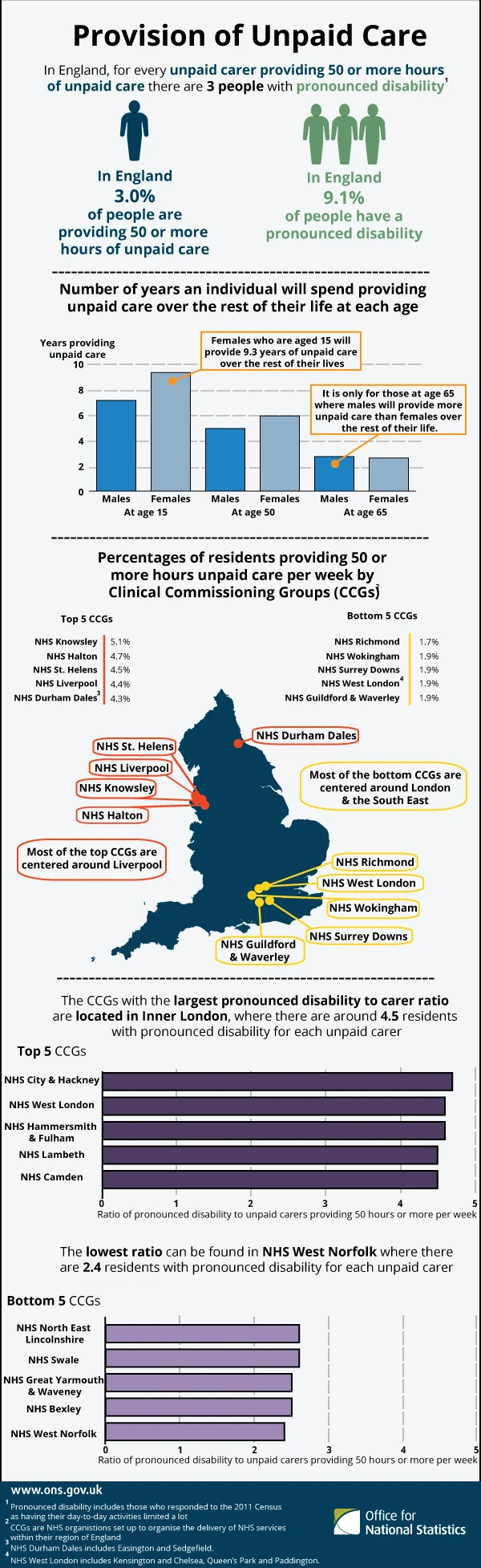
If inflation captures the pressure on household budgets, the NHS captures the pressure on public services. The House of Commons Library briefing on NHS key statistics for England points to persistent demand, performance problems, backlogs, capacity pressures, staffing levels and vacancies, including those affecting doctors and nurses. Those are not problems that yield to a new slogan or a better interview performance.
They are also the kind of problems that expose the difference between image and governance. A leader can promise discipline, empathy or urgency, but none of that by itself creates more beds, closes staffing gaps or clears accumulated waiting pressures. The strain in England’s health service is a reminder that voters often want charisma to do the work of policy, even though the service itself is governed by workforce, funding, planning and delivery constraints that take years to shift.
Brexit made repair slower, not simpler
The post-Brexit settlement is another reason a leadership change cannot work as a shortcut. Analysis linked to the London School of Economics and Political Science argues that Britain was deeply embedded in EU systems before Brexit, which means policy change is difficult and slow rather than immediate. That matters because the country is still adjusting to rules, institutions and economic relationships that were once tightly integrated with the EU.
In practical terms, that means the government is not starting from a blank sheet. It is working through a long adjustment period in which old structures continue to shape trade, regulation and administration, even as ministers try to move policy in a new direction. Any leader who promises a quick fix is promising more than the system can deliver.
Conservative instability reflected a deeper statecraft failure
The turbulence of recent Conservative rule also points to problems deeper than individual personalities. An academic article on Conservative Britain from 2010 to 2024 argues that the instability under successive prime ministers reflected a failure of statecraft, not just a run of weak leaders. The key source of turmoil was the Conservative Party itself, which struggled to formulate an effective strategy for governing.
That distinction matters because it shifts the debate from who was in charge to how power was used. A succession of leaders can make a party look like the problem, but the deeper issue may be the absence of a coherent governing model capable of surviving pressure. When statecraft is weak, leadership turnover becomes a symptom, not a cure.
Why Britain’s structural problems keep reappearing
Britain’s modern governance problems are tied to longer-running features of the political system. Centralisation has often left too much power in too few hands, adversarial politics rewards confrontation over compromise, constitutional drift creates uncertainty, devolution tensions complicate decision-making, and long-term reform plans are hard to sustain across election cycles. Add austerity, Brexit, the pandemic and weak growth, and the result is a state that has absorbed repeated shocks without fully rebuilding its capacity.
That is why so many voters end up searching for a saviour figure. Keir Starmer may be judged on steadiness, Andy Burnham on political energy, Robert Jenrick on harder-edged conservatism and Nigel Farage on anti-establishment disruption, but none of them can escape the same underlying arithmetic: institutions, budgets and administrative capacity determine far more than mood music does. The leadership question is real, but it sits on top of a far larger question about what Britain is able to do, not just who is speaking for it.
The broader lesson is close to the leadership theories associated with Ronald Heifetz and Richard Neustadt: some problems are technical, but others are adaptive and demand institutional change rather than personal performance. Britain’s inflation, NHS strain, Brexit adjustment and statecraft failures all belong in the second category. Until Westminster treats them that way, new faces will keep meeting the same old constraints.