World
British environmentalist investigated after volunteer cleanup of East London brook
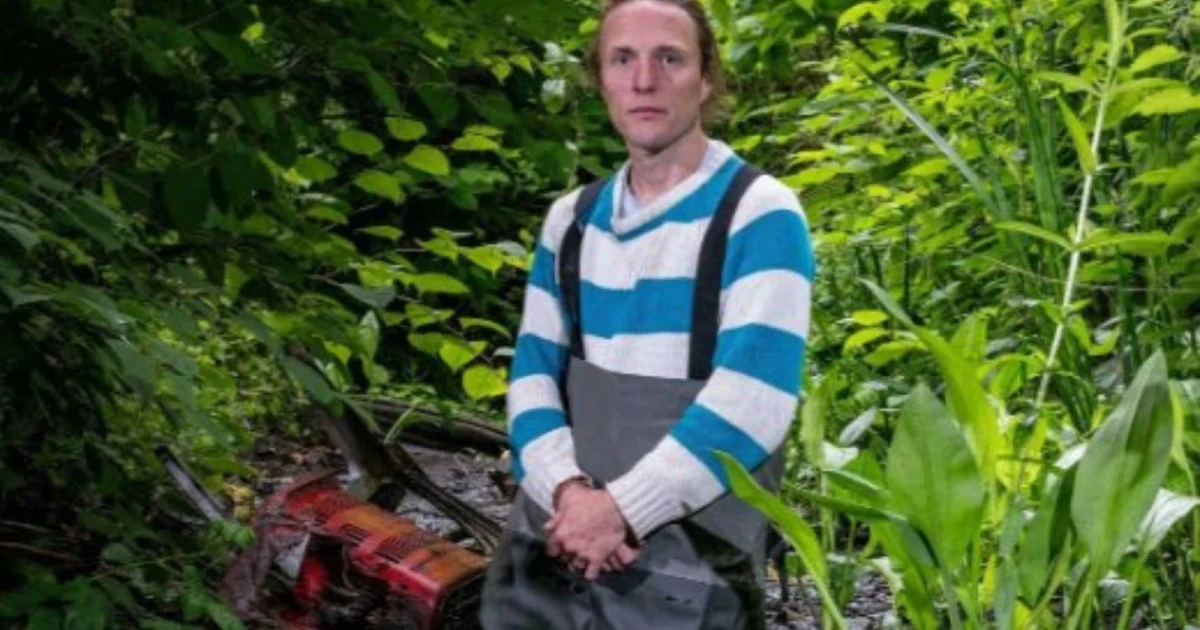
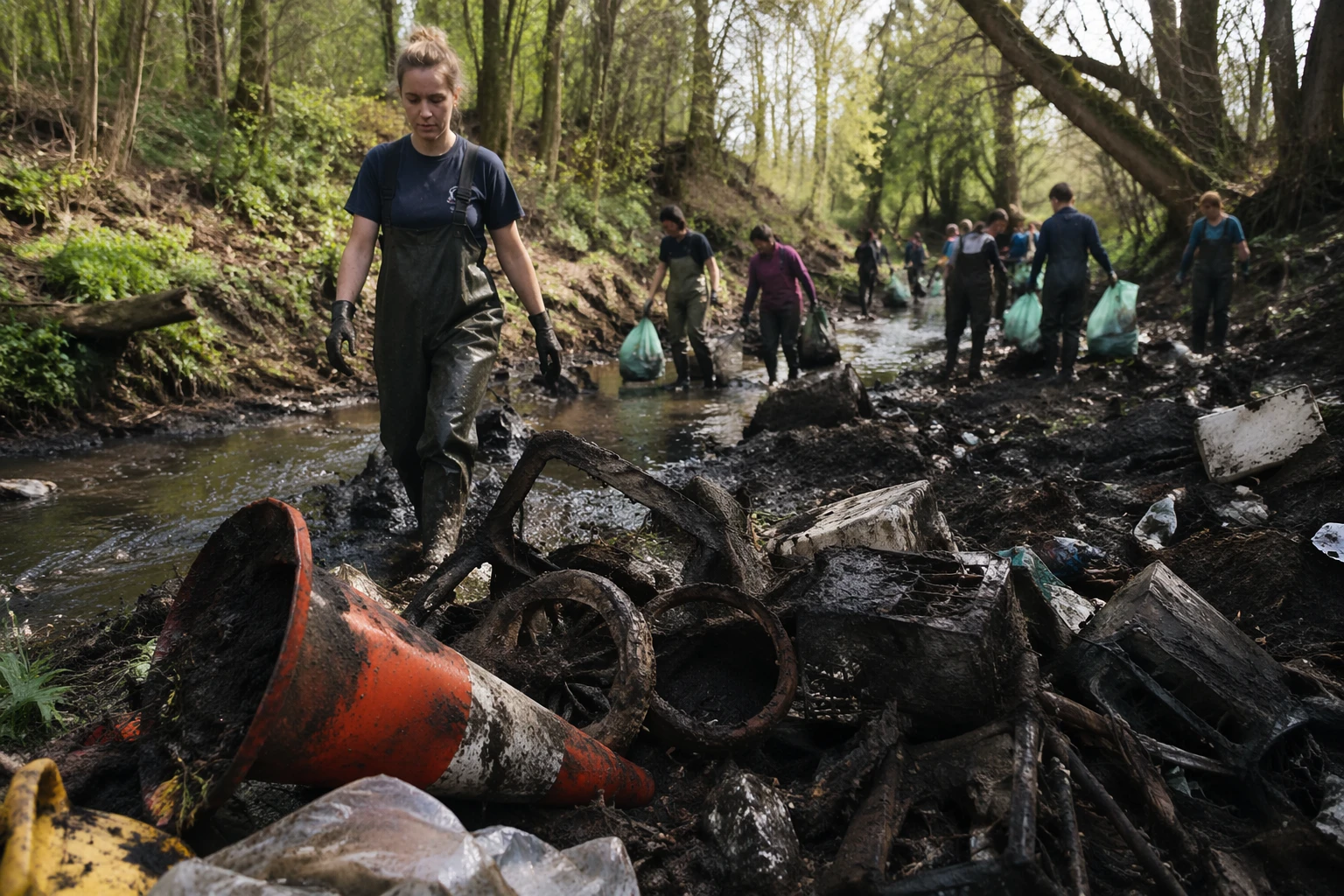
Paul Powlesland led a 10-day volunteer push on the Aldersbrook that stripped years of waste, silt, invasive plants, fallen branches and even discarded household appliances from the East London brook. The effort removed more than 200 bags of rubbish and reopened about 250 metres of waterway, roughly a third of its length, but it also drew an Environment Agency investigation over whether the work crossed legal lines.
Powlesland, a 40-year-old barrister who specializes in environmental and planning law, organized the cleanup through the River Roding Trust. The brook began to show clear ecological changes as the sludge was cleared, with water turning visibly clearer and fish, dragonflies, herons and a nesting moorhen returning to the channel.
The agency has said it is looking into whether additional offences were committed and what environmental impact the work may have caused. Officials are examining whether the cleanup amounted to unpermitted dredging and whether waste was improperly moved from the floodplain. Powlesland has argued that regulators are focusing on volunteers while larger polluters, including Thames Water and criminal waste dumpers, continue to escape similar attention.
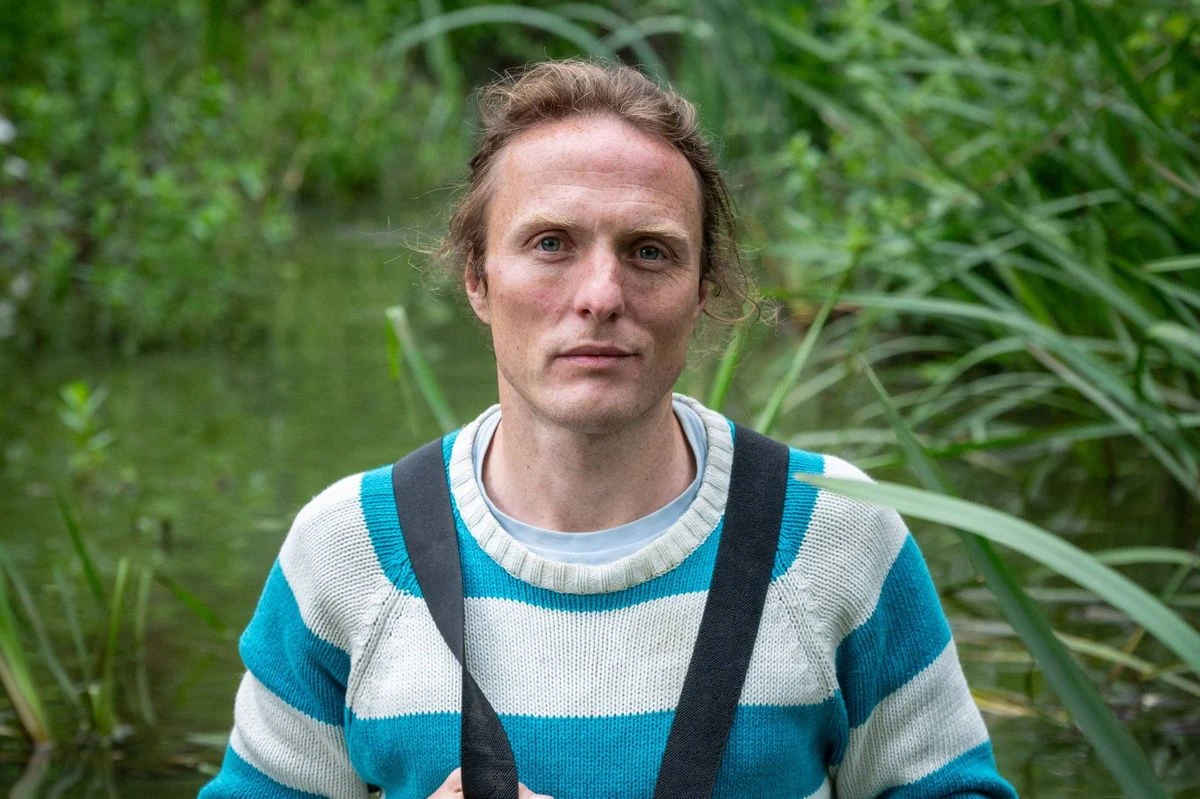
The dispute has resonated because the Aldersbrook is not just a litter problem. Local coverage has described it as an ancient branch of the River Roding that was cut off in the River Roding Improvement Scheme more than 70 years ago, then left choked with silt and rubbish. Powlesland, who founded both the River Roding Trust and Lawyers for Nature and lives on a narrowboat on the River Roding, cast the project as an attempt to restore a lost piece of the local landscape, not simply to tidy a neglected bank.
The cleanup also landed in a catchment already marked by pollution and habitat stress. The Environment Agency classifies the Lower Roding, from Loughton to the Thames, as having moderate ecological status, but its record flags poor dissolved oxygen and phosphate and points to pressures including urbanisation, misconnections and intermittent sewage discharge. That broader record helps explain why the cleanup drew attention in Barking, Ilford and across East London.
The political backdrop is wider still. London City Hall said in March 2024 that 40 million tonnes of raw, untreated sewage are discharged into the Thames every year during storm events, while the mayor said Thames Water released sewage into London’s waterways for 6,590 hours between April and December 2023, about five times the previous year’s period. A 2023 report put the River Roding’s sewage releases at 237, the second-highest total in London.
The London Assembly Environment Committee has already published 21 recommendations on water and London’s rivers, pressing for faster sewer investment as the city’s system, built for about 2 million people, now serves nearly 9 million. Against that backdrop, the Aldersbrook case has become a test of whether environmental rules are deterring the volunteers trying to repair damaged waterways faster than they stop the pollution that damaged them.