Lifestyle
British Museum braces for rush as Bayeux Tapestry tickets go on sale
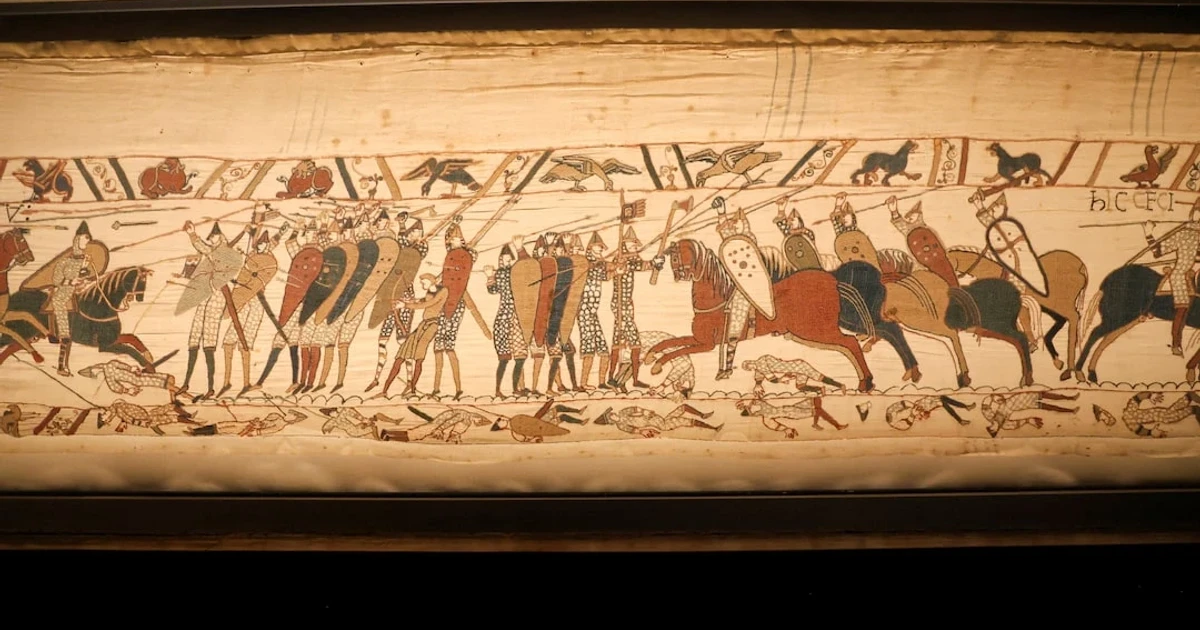
Tickets for the Bayeux Tapestry exhibition went on sale at the British Museum on Wednesday, and the booking site immediately warned that it was very busy as tens of thousands of people joined the online queue. Museum director Nicholas Cullinan has said demand was already intense, reflecting the rarity of a chance to see the work on British soil.
The exhibition is listed to open on 10 September 2026 and run until July 2027 at the British Museum in London. The museum is charging up to £33 for over-16s, a price point that underlines both the scale of interest and the operational challenge of handling mass demand for a fragile object that cannot be displayed casually.
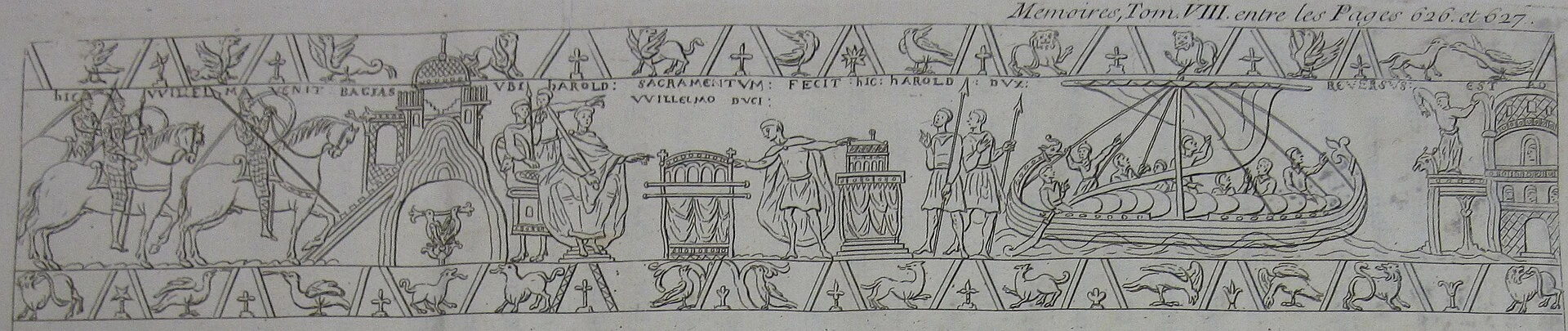
The tapestry, nearly 70 metres long and about 50 centimetres tall, depicts the events leading to the Norman conquest of England in 1066. It has spent roughly the last 950 years in France and will now return to the UK for the first time in more than 900 years, an exchange that carries more weight than a standard museum loan. The British government has framed the transfer as part of a wider cultural partnership, with reciprocal French loans including the Sutton Hoo treasures and the Lewis chessmen.
The political work behind the loan has been extensive. France agreed to it during Emmanuel Macron’s state visit to Britain last year, and the formal administrative arrangement was tied to cultural cooperation agreements signed after the Franco-British summit in July 2025. That arrangement sets the loan period between September 2026 and July 2027 and connects it to Millennium 2027, European Year of the Normans, a commemoration tied to the approaching 1,000th anniversary of William the Conqueror’s birth.
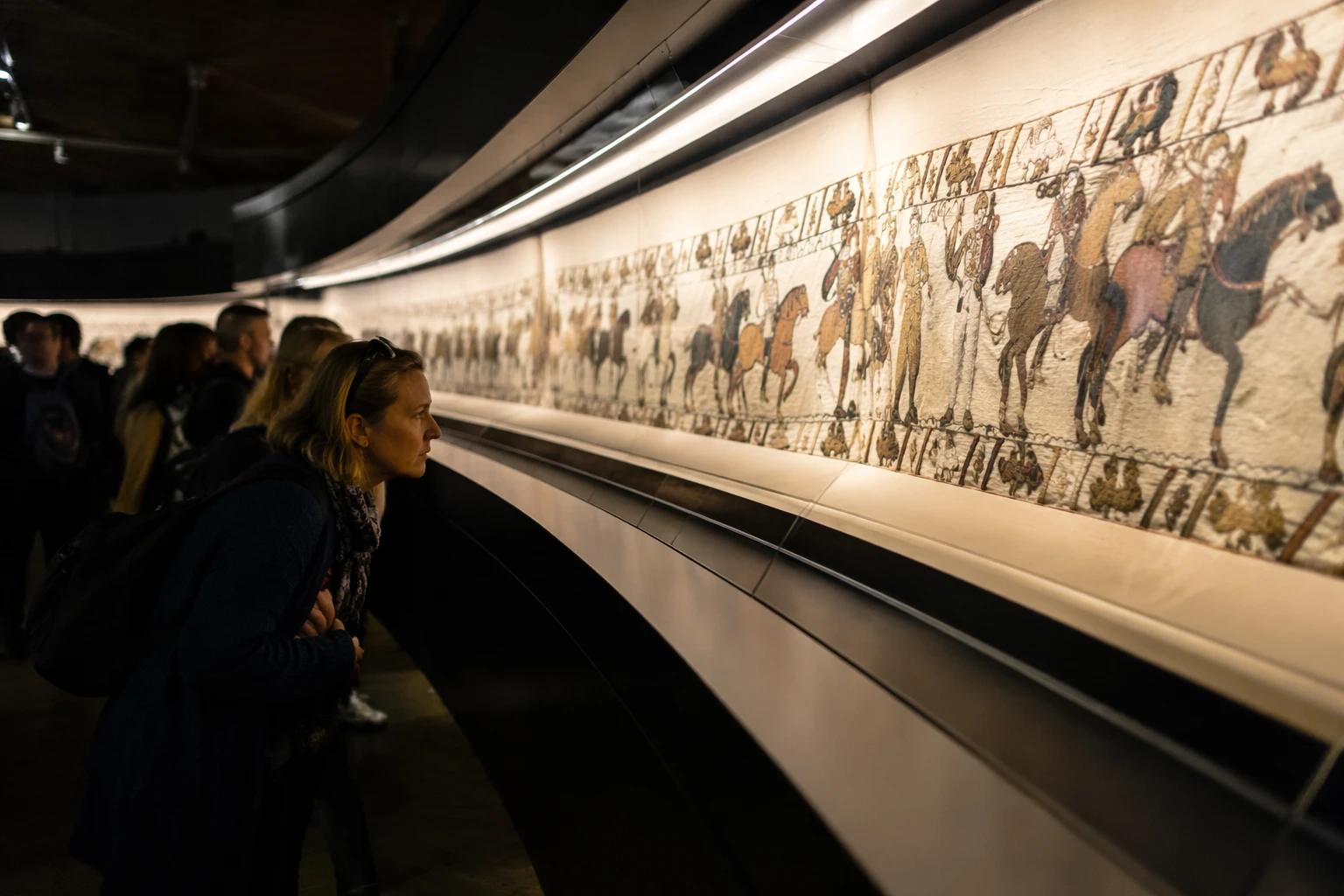
The Bayeux museum in Normandy is being renovated and extended, with a planned reopening in October 2027, which made the timing of the loan politically and institutionally possible. The tapestry is expected to travel through the Channel Tunnel to central London, then go on display flat in one continuous length in a specially designed glass showcase the British Museum says will be the world’s longest, allowing visitors to view the full scale of the embroidery from above and up close.
Cullinan’s warning about demand proved accurate. Reports on the day of sale put about 40,000 people in the queue within 20 minutes, around 80,000 later in the day, and some estimates placed the number of hopeful visitors near 100,000, a level of interest that turns the exhibition into a test of access, conservation and public appetite all at once.