Entertainment
British Museum says Trojan Horse is not in Homer's Odyssey
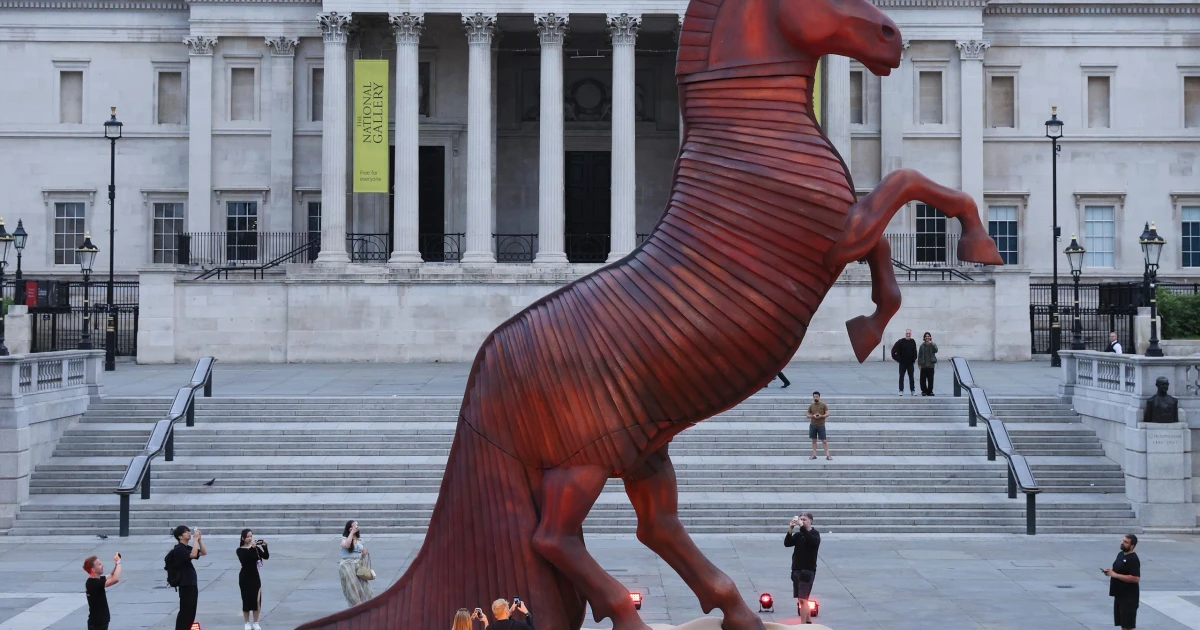
The British Museum says there is “No Trojan horse” in Homer’s Odyssey, and that readers have to wait until Virgil for the episode most people associate with Odysseus. A British Museum transcript places the horse only in Book 4, where Telemachus refers to his father’s exploits. That small correction sits at the center of a much larger question about why ancient stories keep being rewritten.
The original Trojan Horse tale belongs to the tenth year of the Trojan War. Encyclopedia Britannica describes it as a huge hollow wooden horse built by the Greeks to gain entry to Troy, with Odysseus credited with devising the stratagem and Athena helping with the construction. Several Greek warriors hid inside while the rest of the army pretended to sail away, turning the breach of Troy’s walls into an act of deception as much as combat.
That tension between battlefield force and narrative sleight of hand is exactly what the British Museum has highlighted in its Trojan material. In the museum’s “Troy: myth and reality” exhibition, the story runs from Helen of Troy’s abduction through the horse and the fall of the city, while the museum’s blog framed the Trojan War as a mixture of myth and reality. The museum’s broader context also matters: the Iliad is set in the 10th year of the war, while the Odyssey follows Odysseus through the aftermath as he spends 10 more years trying to get home.
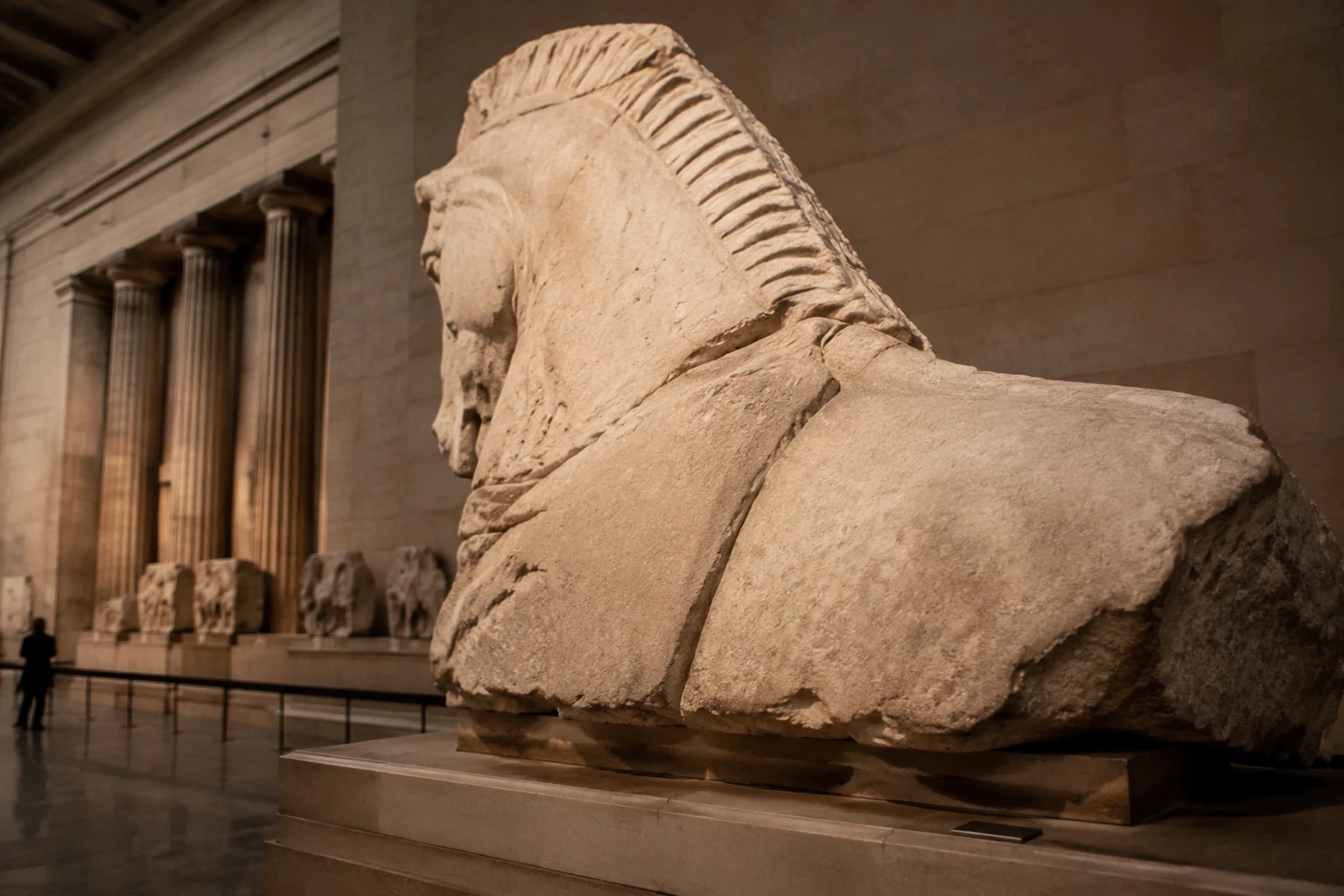
Modern writers have kept returning to that instability because it lets them recast Odysseus for new arguments about war, truth and power. James Joyce’s Ulysses, Margaret Atwood’s The Penelopiad and Madeline Miller’s Circe all move the old material away from a single heroic center, while newer readings keep stressing the figures and voices that the epic leaves in the margins. Britannica’s suggestion that Homer may have used the horse metaphorically to symbolize the subjugation of the Trojans, known as “tamers of horses,” makes that flexibility even sharper: the horse is not just an object in the story, but a device about how stories work.
That is why the correction matters. The Trojan Horse is one of the most famous images in Western literature, yet the Odyssey itself does not stage it, and that gap keeps giving contemporary retellings room to revise Odysseus as hero, trickster and myth under pressure.
Sources
- [1]nytimes.com
- [2]britishmuseum.org
- [3]britannica.com