Politics
Britt Proposes Keeping Congress in Washington During Shutdowns
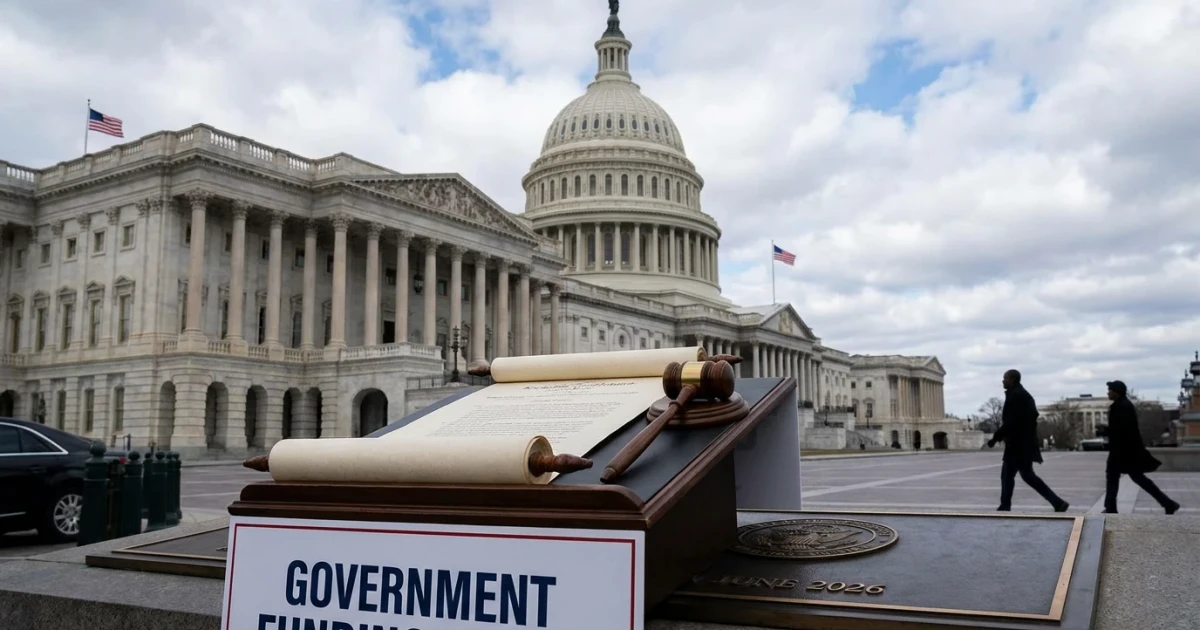
Senator Katie Britt has announced new legislation designed to address what she calls “business-as-usual” shutdown politics in Washington, aiming to hold Congress accountable for finding quick solutions during federal government funding crises. Her proposal would require lawmakers to remain in the nation’s capital until a budget deal is reached, a move she hopes will incentivize action and reduce the frequency and impact of government shutdowns.
The Drive to Prevent Shutdown Stalemates
Government shutdowns have become an increasingly common feature of the American political landscape. According to Congressional Research Service records, there have been more than 20 federal government shutdowns since 1976, with durations ranging from a single day to over a month. Each shutdown has resulted in widespread disruption to federal services, delayed pay for government employees, and economic uncertainty.
Britt’s bill, as reported by Yellowhammer News, would effectively require members of Congress to stay in Washington, D.C. during a funding lapse, preventing travel and recess until a resolution is achieved. The intent is to make lawmakers directly face the consequences of gridlock, rather than allowing the effects to fall primarily on federal workers and the public.
How the Proposal Would Work
While the bill’s full text has not yet been released, the plan echoes previous efforts such as the No Budget, No Pay Act, which sought to tie congressional compensation to the timely passage of budget legislation. Britt’s version focuses on physically keeping members in the Capitol until a funding agreement is reached, rather than affecting their salaries alone.
- During a government shutdown, Congress would be barred from leaving Washington, D.C.
- No official recesses or district work periods would be allowed until a funding bill passes.
- The aim is to create personal and political pressure on lawmakers to resolve funding disputes swiftly.
Impact of Shutdowns on Government and the Economy
The effects of government shutdowns are well documented. Reports from the Congressional Budget Office detail how shutdowns disrupt federal operations, delay economic activity, and lead to costs that are not fully recovered even after the government reopens. The Government Accountability Office has found that federal agencies must spend time and resources planning for shutdowns, and that furloughed employees often face weeks without pay, even if retroactive compensation is later approved.
Official guidance from the Office of Personnel Management outlines the process for furloughing employees and the cascading impacts on public services, from national parks to passport processing and safety inspections.
Political and Public Response
Senator Britt’s proposal taps into growing frustration among voters and government workers who bear the brunt of shutdowns. While Republicans and Democrats have blamed each other for repeated impasses, there is increasing support for reforms that would make lawmakers feel the consequences of gridlock. Britt argues that by keeping Congress in Washington, there will be a greater sense of urgency to resolve funding disputes.
Some experts have noted that similar proposals have gained bipartisan interest, but actual passage has proven elusive in the past. Critics sometimes argue that such measures are more symbolic than substantive, but supporters contend that any added pressure on Congress could help break the cycle of shutdown politics.
Looking Forward
Britt’s push to keep Congress in Washington during shutdowns is the latest in a series of efforts to hold lawmakers accountable for the consequences of delayed funding bills. As the legislative process unfolds, the bill’s prospects will depend on support from both parties and public demand for change. For now, the proposal has reignited debate about how best to prevent the disruption and uncertainty that government shutdowns bring.