Technology
Broadcom extends Apple chip partnership through 2031, easing supply worries

Broadcom extended its chip partnership with Apple through 2031, keeping one of the iPhone maker’s most important suppliers in place as Apple continues to rely on outside semiconductor capacity for wireless and radio-frequency components. The agreement covers custom chips for multiple generations of Apple products and sent Broadcom shares up nearly 4%, a sign that investors viewed the deal as reducing the risk that Apple could eventually replace Broadcom with internal silicon.
The stakes are large on both sides. Apple accounts for about 20% of Broadcom’s annual revenue, making the relationship a critical source of stability for Broadcom and a strategic supply line for Apple. The extension also reinforces a reality that is easy to miss amid Apple’s long-running push into in-house chips: even a company with Apple’s scale still depends on specialized outside partners for pieces of the hardware stack that are difficult to fully internalize.
Broadcom’s components sit deep inside Apple devices, including radio-frequency chips used for cellular connectivity and chips that support Wi-Fi, Bluetooth and other networking functions. Those parts are not the headline processors inside an iPhone, but they are essential infrastructure for performance, connectivity and battery efficiency. In a market where artificial intelligence has pushed demand for advanced semiconductor capacity even higher, those specialized chips have become more strategically important, not less.
Apple has spent years trying to design more of its own modem and processor technology, but it still leans on outside manufacturing and design partners for key parts of the system. Apple relies on TSMC for its in-house processors, and TSMC is already stretched by demand from AI leaders such as Nvidia. That competition for high-end capacity has made supply certainty a bigger commercial issue across the technology industry, especially for companies trying to balance premium device performance with long production cycles.
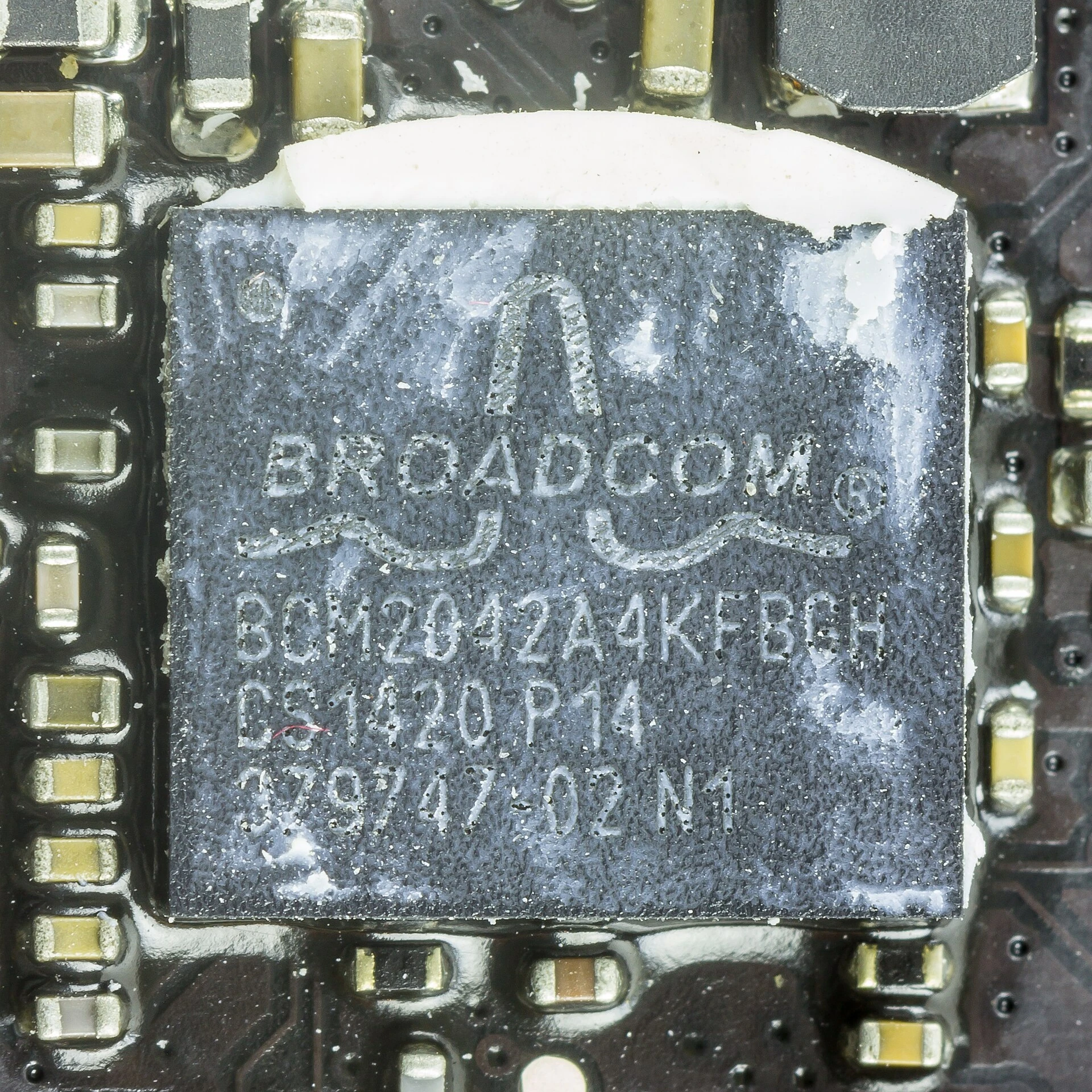
The new extension builds on a relationship that already had a U.S. manufacturing angle. Apple first announced a multiyear, multibillion-dollar agreement with Broadcom on May 23, 2023, covering 5G radio-frequency components, including FBAR filters, and wireless connectivity components. Apple said those filters would be designed and built in several U.S. manufacturing hubs, including Fort Collins, Colorado. The latest deal keeps that domestic supply-chain thread intact while broadening the commercial tie-up into later generations of Apple products.
Apple is also in discussions with Intel about manufacturing some chips in the United States, though analysts do not expect volume production before late 2027. Together, those moves show Apple continuing a dual strategy: it is bringing more chip design inside the company where it can, but it is still locking in external expertise and capacity for the specialized wireless and RF components that remain hard to replace.
Sources
- [1]money.usnews.com
- [2]apple.com
- [3]msn.com
- [4]finance.yahoo.com
- [5]macrumors.com