Entertainment
Brooklyn artist Kaves turns Bay Ridge roots into public murals
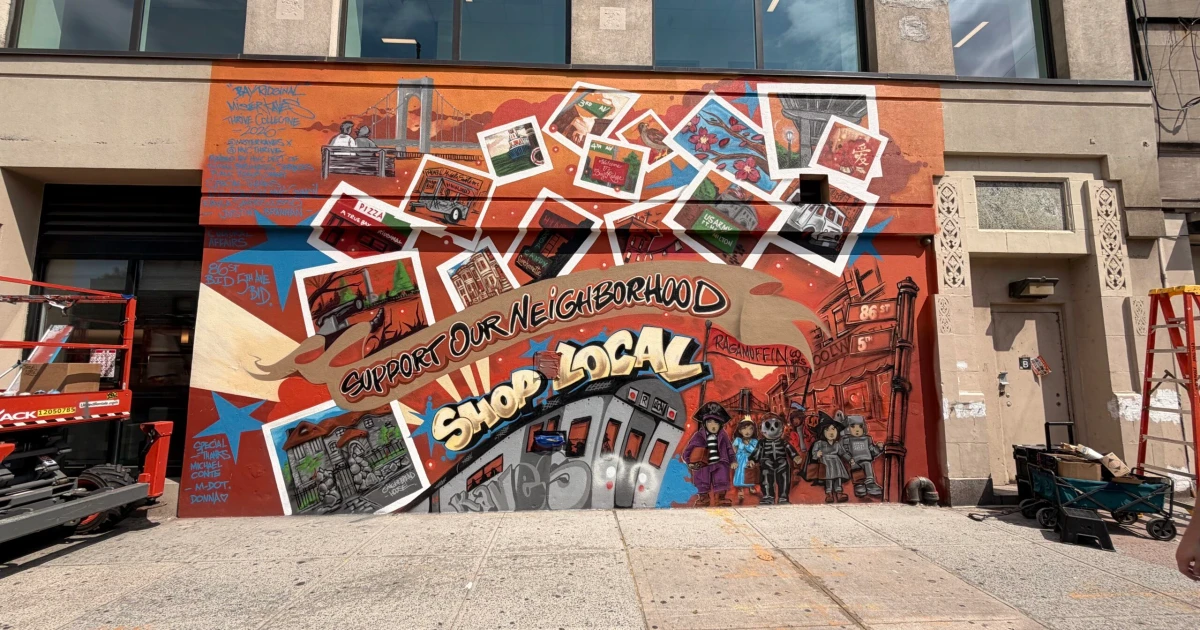
Michael McLeer grew up in Bay Ridge wanting the kind of escape John Travolta made famous in Saturday Night Fever. A tragedy close to home changed that script, and the boy who began tagging MTA train cars at 11 as KAVES spent the next decades turning Brooklyn into both subject and material.
From subway walls to a public voice
McLeer is better known as Kaves, or Mr. Kaves, and his career began in 1980 when, as an 11-year-old, he wrote the name KAVES on a New York City subway car. That first mark placed him inside a generation of Brooklyn kids who came of age amid the borough’s hard-edged 1970s and 1980s street life, when graffiti was still treated as vandalism in one context and visual language in another.
His work reached a wider audience when it appeared in Henry Chalfant’s 1987 book Spraycan Art, a landmark document of the era’s graffiti culture. From there, McLeer’s practice widened beyond trains and walls into painting, illustration, acting, authorship, rapping, and entrepreneurship, but the same street-level instinct stayed visible: he built a career out of turning neighborhood identity into something public, legible, and saleable.
Bay Ridge became the subject, not the place he left behind
The Brooklyn he once wanted to outrun became the center of his art. That shift matters because it mirrors a broader change in the city’s cultural life, where graffiti artists who once worked outside the system helped create the look and language that brands, venues, and institutions later bought, displayed, and promoted.
McLeer’s neighborhood projects make that evolution visible. In July 2024, residents gathered on 86th Street for the unveiling of his “Welcome to Bay Ridge” mural, a public celebration of local heritage that put his name back into the streets that shaped him. He also helped dedicate a bench plaque honoring John Travolta, Karen Lynn Gorney, and “all the Brooklyn dreamers,” linking his childhood fascination with Saturday Night Fever to a very different adult role: one of preserving the neighborhood’s memory rather than trying to flee it.
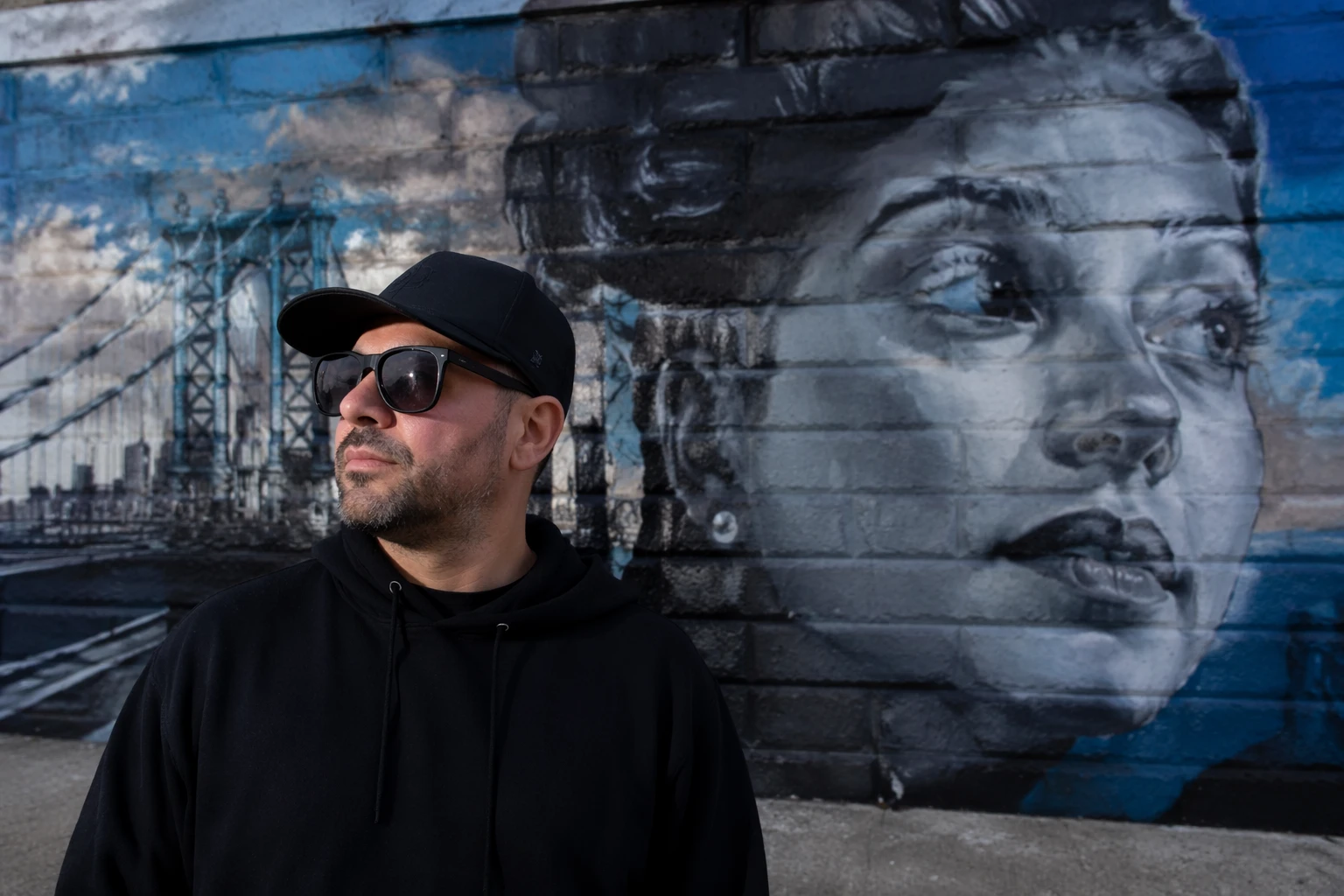
That arc gives Bay Ridge more than a nostalgic backdrop. It becomes a record of class mobility and urban change, where one kid’s unauthorized tag eventually becomes a sanctioned mural, and where the borough’s social history is carried forward through art that now belongs to the block, not just the artist.
Graffiti turned into business, music, and brand work
McLeer’s public profile also reflects how street art moved into the mainstream without losing its edge. He is an MC in Lordz of Brooklyn, the hip-hop and rock group that released All in the Family in 1995, followed by Graffiti Roc in 2003, The Brooklyn Way in 2006, and Family Reunion in 2020. The titles alone map the same themes that run through his visual work: family, neighborhood identity, and the transformation of Brooklyn pride into a creative product with reach far beyond one block.
He has also been identified as a co-owner of Brooklyn Firefly, the Bay Ridge pizzeria and music venue that extends that blend of food, music, and local identity into a physical gathering place. His design and art work has reached the Beastie Boys, Jaguar, Gretsch Guitars, Nike, Adidas, and Busta Rhymes, a roster that shows how an artist who started on subway cars came to operate inside the same commercial ecosystem that once stood apart from graffiti culture.
This is where McLeer’s career tells a larger story about street art in New York. The same imagery that once risked arrest now appears on murals, in brand campaigns, in music projects, and in neighborhood institutions, with the artist moving between public service, commercial work, and cultural memory.
A fight over who controls the city’s surfaces
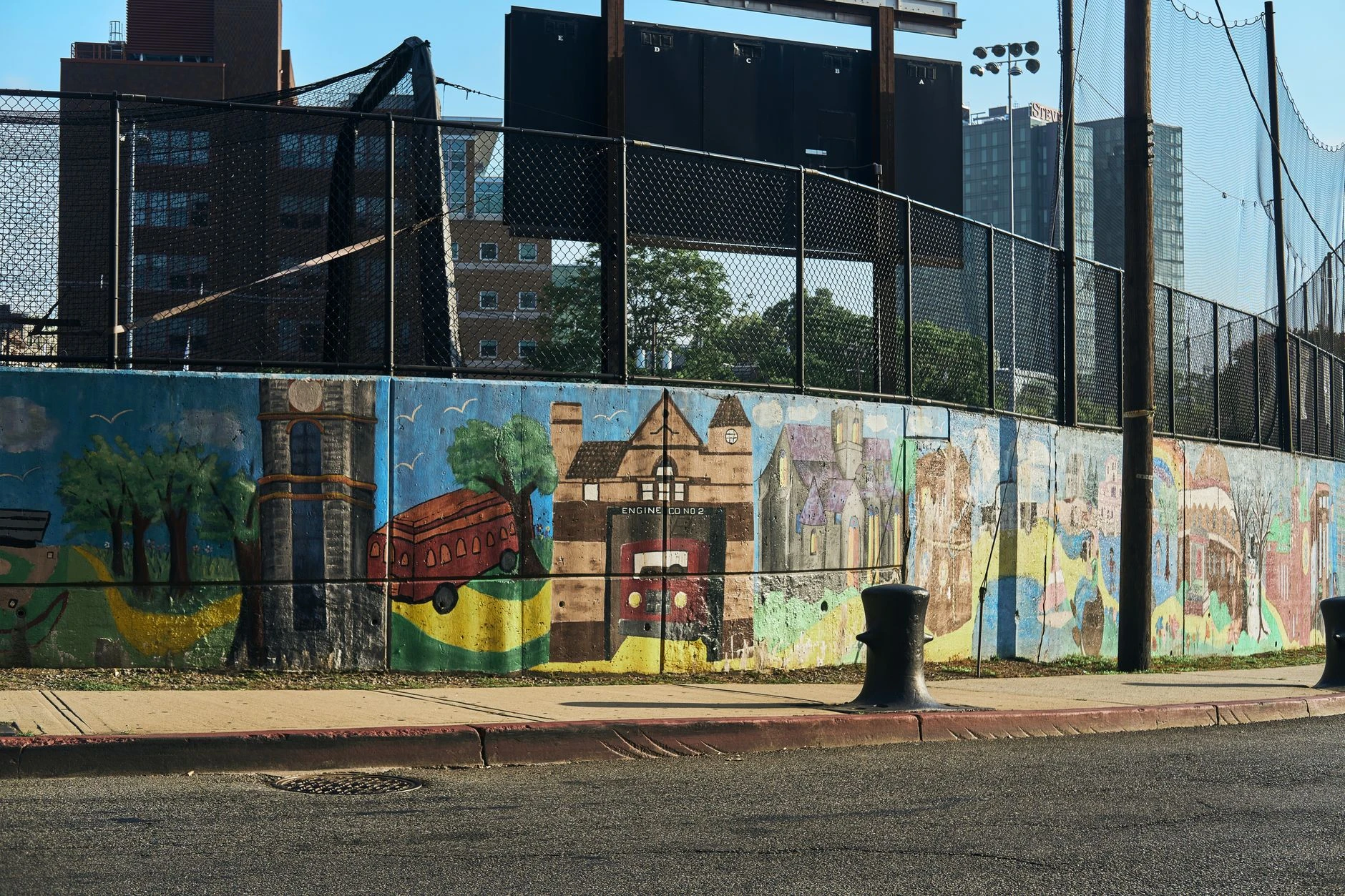
McLeer’s later legal fight against the NYPD over its graffiti cleanup campaign adds another layer to that story. The dispute is not just about paint on walls, but about authority, legitimacy, and who gets to decide whether a mark on public property is a nuisance or a form of civic expression.
That question has long shaped Brooklyn’s relationship with graffiti. In McLeer’s case, it also connects back to the social conditions that produced his generation: dense neighborhoods, economic pressure, neighborhood grief, and the constant negotiation between visibility and exclusion. His path from tagged subway car to public mural shows how creative survival can become civic authorship, especially in communities where the stories most worth preserving are often the ones first dismissed as disorder.
What Bay Ridge sees in Kaves now
McLeer’s work keeps returning to Bay Ridge because the neighborhood gave him both the wound and the vocabulary. The childhood fantasy of becoming someone else, and leaving Brooklyn behind, gave way to a career built on making the borough visible in different forms: graffiti, music, plaques, murals, and legal confrontation when necessary.
That is the deeper lesson in his arc. He is not simply a local celebrity or a nostalgia figure from old Brooklyn. He is part of the generation that transformed graffiti from an outlaw act into a commercial and cultural force, while keeping enough loyalty to the block to make the neighborhood itself the lasting subject of the work.
Sources
- [1]nytimes.com
- [2]mrkaves.com
- [3]brooklynpaper.com
- [4]bkmag.com
- [5]simonandschuster.com
- [6]imdb.com
- [7]eandblaw.com