World
Brothers dig 26 days to recover mother, brother and grandmother
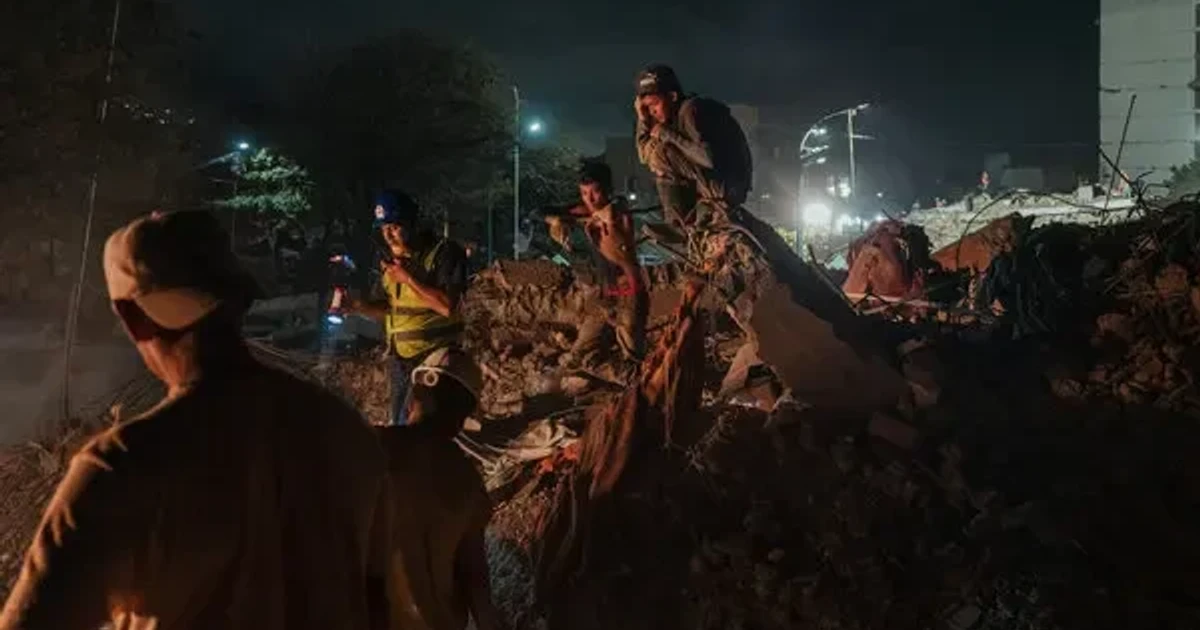
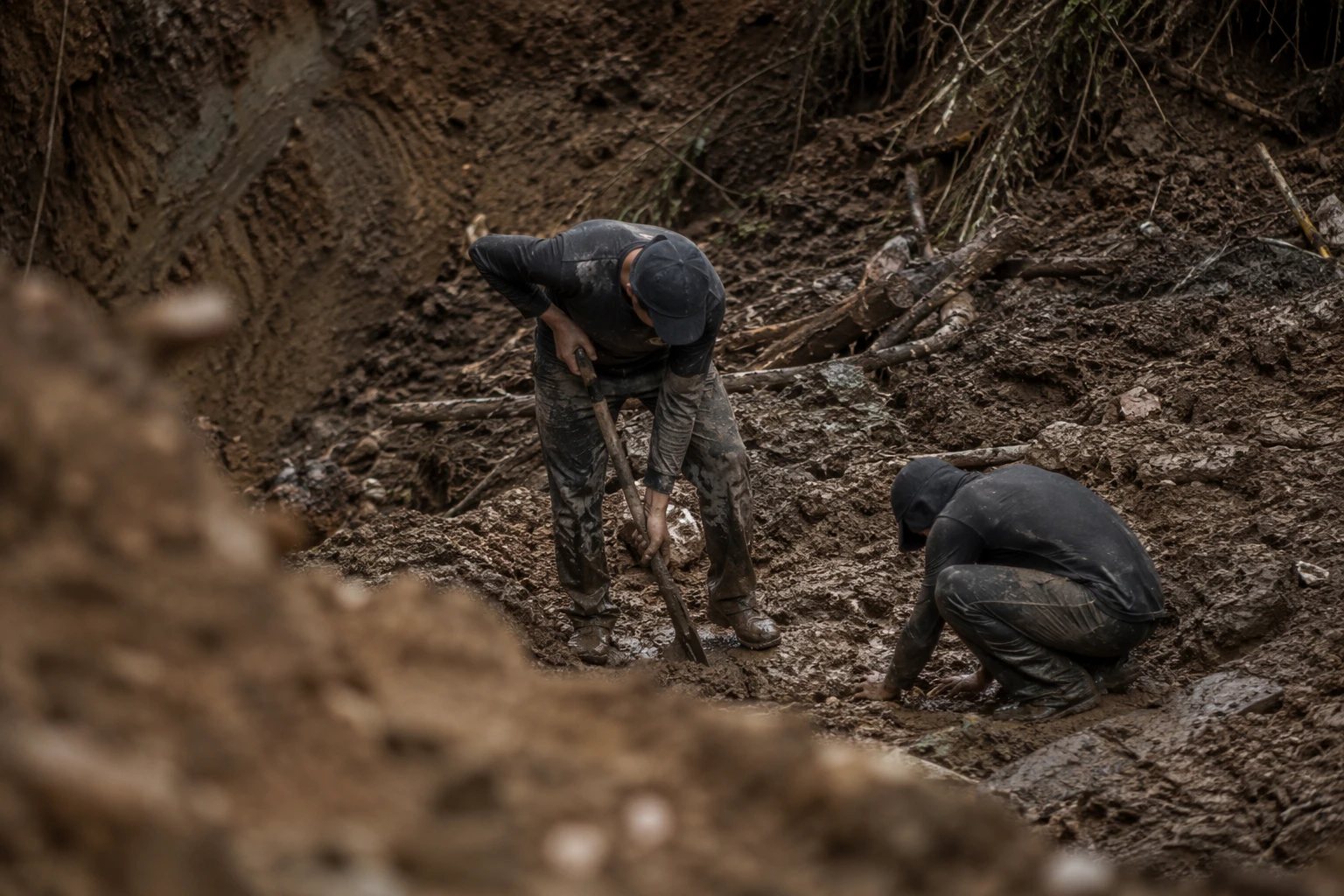
Winder and Deivi Delfín dug every day for 26 days to recover the bodies of their mother, Yusmani, 35, their brother Moissés, 10, and their grandmother Carmen, 69. The two brothers had lived with them in a first-floor apartment, and their search turned into a prolonged act of recovery that no public institution carried out for them.
The family’s ordeal is stark even by Venezuela’s standards of institutional breakdown. When two young brothers have to spend nearly a month digging for the dead inside their own family circle, it points to a country where the responsibility for recovery has shifted from the state to the bereaved. The search was not only a private answer to grief. It was also a measure of how much confidence families can have in official systems meant to locate bodies, document deaths and return remains.
That collapse has been documented beyond this one family. A United Nations fact-finding mission found that Venezuela’s justice system played a significant role in repression, lacked independence and allowed serious human rights violations to go unchecked. Amnesty International has said crimes against humanity persisted and were committed with impunity, while state institutions continued to persecute dissent against Nicolás Maduro’s government. Those findings help explain why families often move on their own, outside the reach of courts, prosecutors and forensic systems that should be central to the handling of the dead.
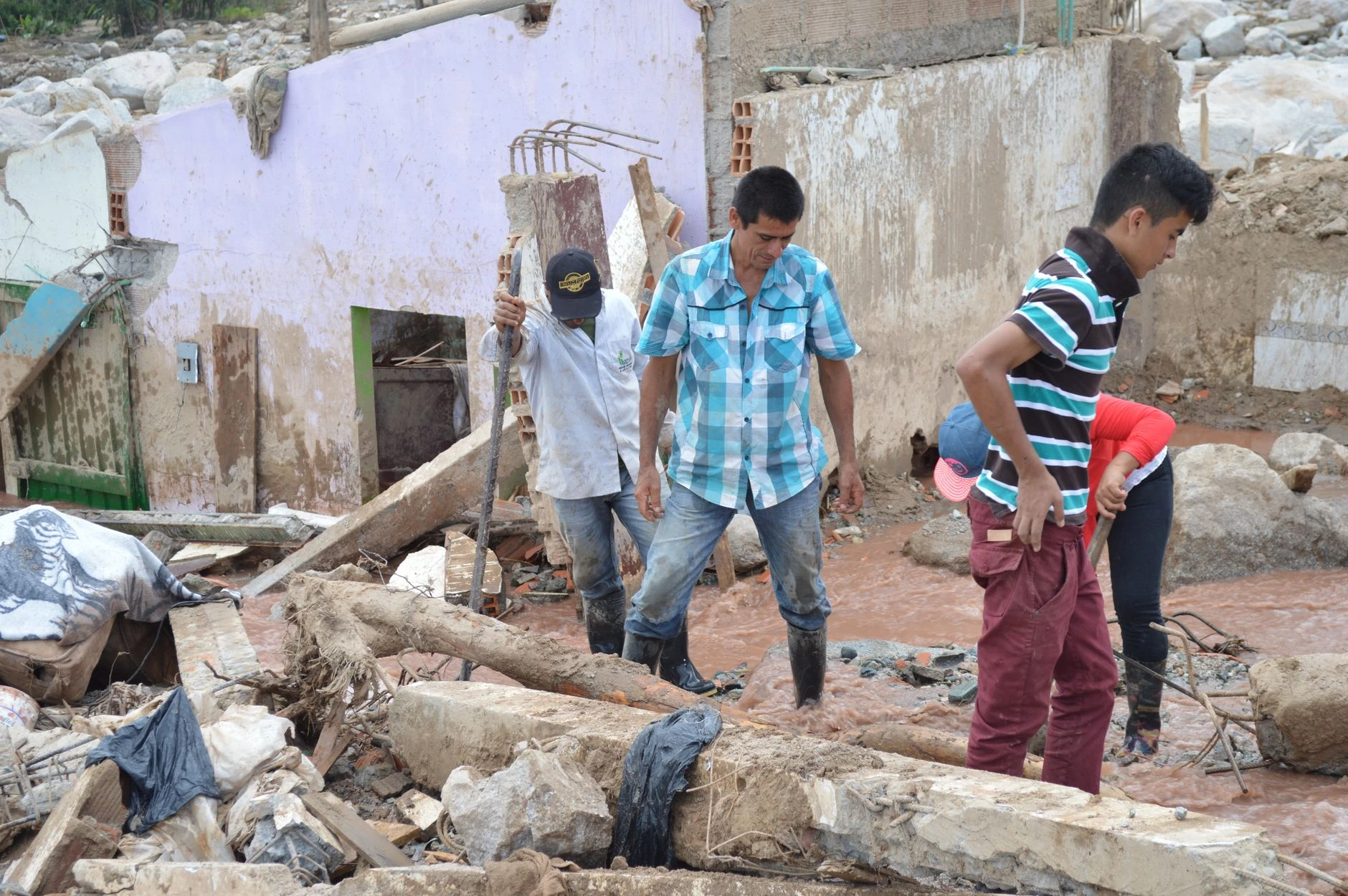
Winder and Deivi’s search shows the human cost of that void in the most concrete terms possible: three relatives gone, 26 days of digging, and two brothers left to do work that should have belonged to a functioning public system. In Venezuela, the failure is not only in preventing violence. It is also in what happens afterward, when the dead still need to be found, named and returned.
Sources
- [1]nytimes.com