Health
Brothers lose both parents after HIV medication deliveries stop
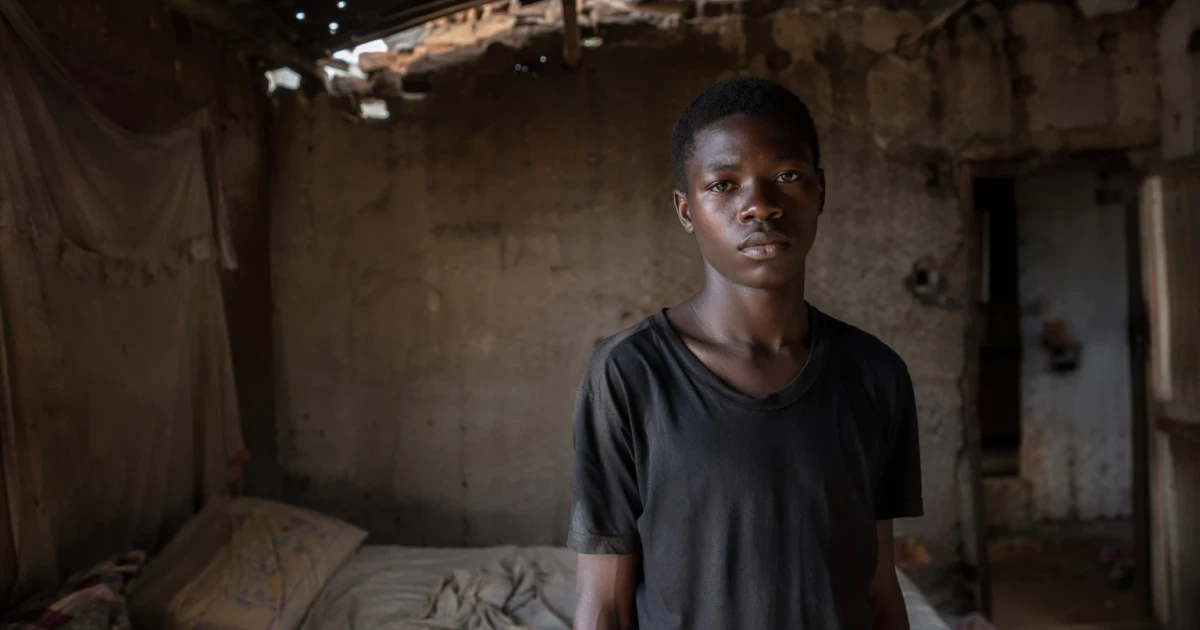
The 17-year-old who now heads the household is trying to hold together a family that has already lost both parents. His brothers say their mother and father died after they could no longer get HIV medication, and money is tight as the roof leaks and daily life becomes a test of survival.
The family’s collapse began when the program that delivered medicine to their remote area suddenly stopped. With no reliable replacement, their parents lost access to treatment and, over about a year, both died from the virus. The case is a blunt reminder that HIV is no longer a death sentence when antiretroviral therapy arrives consistently, but interruptions in supply can still turn a manageable condition into a fatal one.
Their story also echoes a familiar and painful pattern from the early AIDS epidemic, when child-headed households became a defining reality for many families in the 1980s and 1990s. HIV.gov says its timeline traces the domestic HIV/AIDS epidemic from the first reported cases in 1981 to the present, underscoring how the crisis has changed while its dependence on steady care has not.
What happened to this family points directly to policy failure. They lived far from dependable care, and the delivery system that had been their lifeline shut down without a functioning backstop. The result was not just a lapse in service but a chain reaction that ended in parental death and three brothers having to figure out how to navigate life alone.

The wider community had already been warning that aid cuts and clinic disruptions were eroding access. NPR previously profiled Pastor Billy, who said people in his area had lost HIV medication when nearby PEPFAR-funded clinics shuttered. His account fits the brothers’ experience: once clinics close or deliveries stop, distance becomes a barrier that medicine cannot cross, and families in remote areas are left to absorb the consequences.
The modern history of HIV and AIDS has shown what works. Continuous treatment can keep people healthy for years, but only if governments, donors and health systems maintain the supply chains, clinics and delivery networks that make that care possible. For this family, those systems failed, and the absence of one refill became the loss of two parents.
Sources
- [1]npr.org
- [2]knpr.org
- [3]hiv.gov
- [4]sheffield.gov.uk