World
Browning lakes reshape fish populations and fishing across North America, Europe
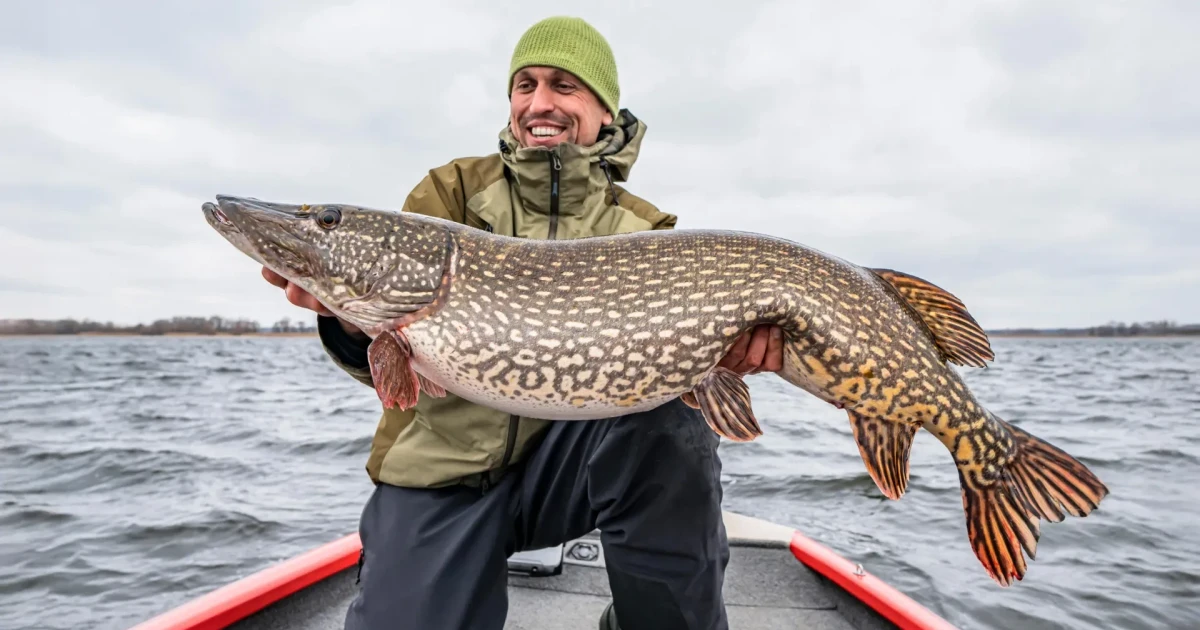
Freshwater lakes that are turning tea-colored are changing more than their appearance. Across parts of North America and Europe, browner water is signaling a shift in chemistry that makes it harder for fish to hunt, hide, and thrive, and that is already reshaping which species dominate lake food webs.
Why lakes are darkening
The browning trend is tied to more than one pressure at once. Higher temperatures and increased runoff are moving more carbon compounds from land into water, while changes in soil chemistry and lower acid precipitation are also increasing the flow of dissolved organic material into lakes. In many systems, that extra dissolved carbon, along with iron, gives water its dark color and reduces underwater visibility.
This is not a one-time event. Browning has been building over decades across much of northeastern North America and northern Europe, which means the ecological effects can compound as climate, runoff, and soil processes continue to shift. The result is a long-running change in lake chemistry, not a temporary stain on the surface.
What darker water does underwater
Once water loses clarity, the whole hunting ground changes. Fish have a harder time seeing prey, spotting predators, and using habitat effectively when light no longer penetrates as deeply. That matters because many freshwater species depend on vision to feed and to avoid being eaten themselves.
The biological consequences can ripple quickly. Slower feeding can mean slower growth, and slower growth can translate into smaller populations over time. In practical terms, browning changes not only what lives in a lake, but how well that ecosystem can support fish abundance in the first place.
Which fish gain and which lose ground
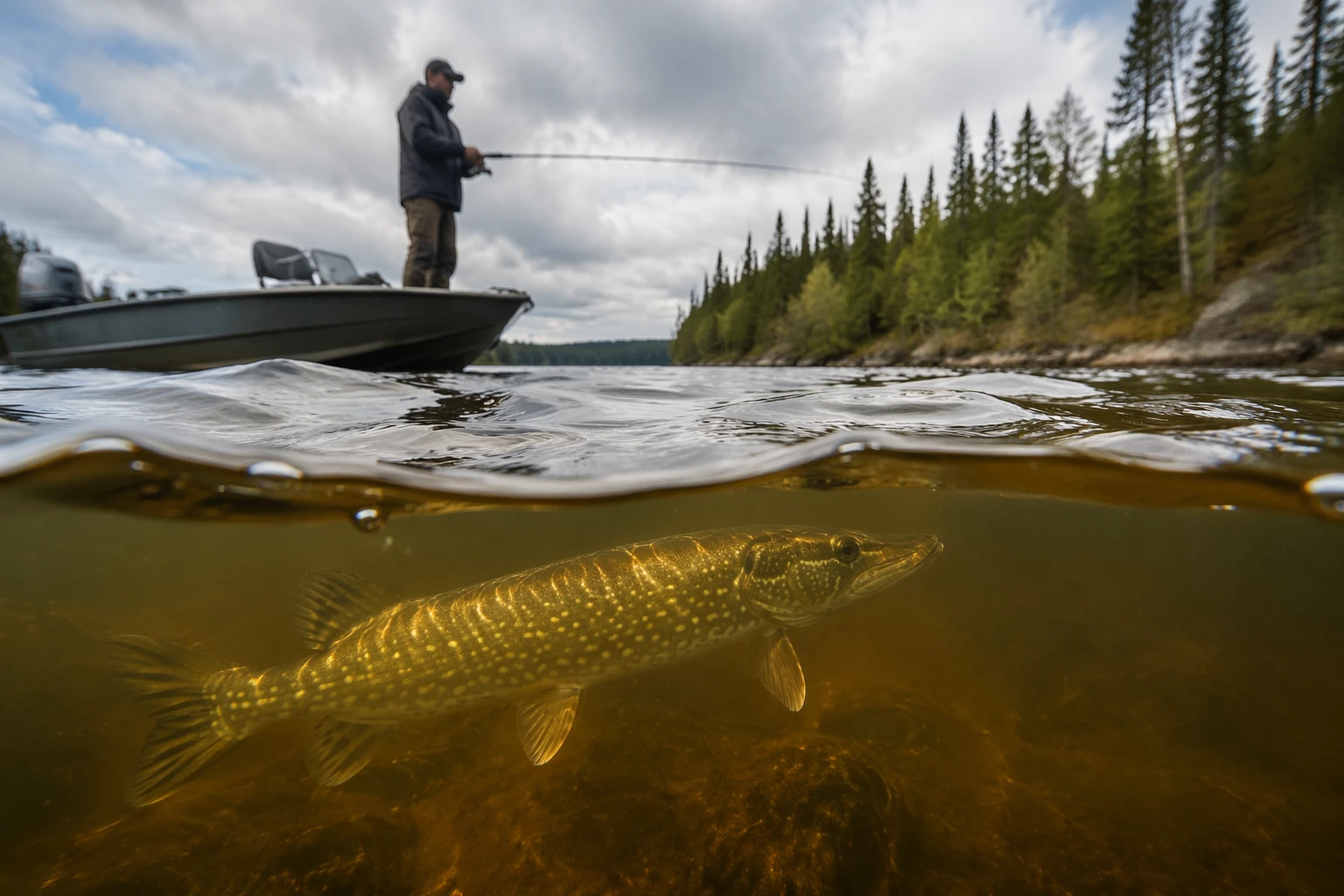
A McGill University analysis of 871 north-temperate lakes, covering eight economically important fish species, found a clear split in the winners and losers across a browning gradient. Browner waters held greater abundances of northern pike and walleye. At the same time, they held lower abundances of lake trout, brook trout, yellow perch, largemouth bass, smallmouth bass, and whitefish.
That pattern matters because the vulnerable species are the ones many anglers and lake communities know best. Trout, bass, perch, and whitefish are especially likely to decline in unstocked lakes as conditions get darker, while northern pike and walleye are better adapted to murkier, low-visibility water and may become more common. Over time, that can change the mix of fish people catch and the kind of fishery a lake can sustain.
McGill researchers also examined 303 lakes for changes in community traits across the browning gradient. They looked at features such as eye size, body shape, and feeding traits, underscoring that browning is not only shifting species counts but also changing the kinds of bodies and hunting strategies that succeed in darker water.
Why anglers and managers cannot treat this as a niche issue
Fishing is often discussed as a matter of individual lakes, but browning has wider consequences for the recreational experience and for the people who manage fisheries. When pike and walleye rise and clearer-water sport fish fall, stocking plans, habitat work, and harvest rules all face pressure to adapt.
That is where management priorities can collide. A 2022 study found fisheries managers tend to place greater value on habitat enhancement and harvest regulations than on stocking, while anglers often see stocking differently. In browning lakes, that disagreement becomes more consequential because managers may need to decide whether to lean into habitat changes that fit darker water or try to preserve traditional sport fish communities in lakes that no longer favor them.
The whole food web feels the shift
The stakes extend beyond the fish that show up in creels. Because fish are predators that feed on smaller fish, plankton, and invertebrates, any change in fish populations can cascade through the food web. Browning can therefore alter the balance among multiple layers of lake life, not just the top one that anglers see.
The effects may also reach land. When fish populations change, birds that depend on fish for food can feel the pressure too. That makes browning a cross-boundary ecological issue, linking shoreline habitat, open-water chemistry, and even the survival of species that forage above the lake surface.
More than color: chemistry, light, and climate
Recent review literature broadens the concern further. Browning changes optical and thermal conditions, meaning it affects both how light moves through a lake and how heat is distributed. It also affects oxygen availability, pollutant bioavailability, and greenhouse-gas cycling, which means the issue reaches into water quality and climate feedbacks as well as fisheries.
Historical studies point to a mixed legacy behind the trend. Atmospheric acid deposition sharply lowered dissolved organic carbon in many lakes across northeastern North America and northern Europe during the 20th century, and in Sudbury, acid deposition was identified as the dominant stressor affecting lake-water dissolved organic carbon in some heavily impacted areas. As acidic emissions fell, soils and waters began recovering from acidification, and in some places that recovery has helped dissolved organic carbon rebound. Browning is therefore part climate-driven runoff, part land-use change, and part chemical recovery from a previous era of pollution.
What lake communities are facing next
The broad message is simple: climate change is not only warming lakes, it is changing their color, chemistry, and productivity. In browner systems, pike and walleye are better positioned to expand, while trout, bass, perch, and whitefish can lose ground, especially where stocking does not buffer the shift.
That leaves lake managers with a harder assignment. Preserving familiar fisheries will require decisions that account for visibility, habitat structure, food-web effects, and the species most likely to benefit from darker water. Browning is not just changing how lakes look from shore. It is reorganizing what lives beneath the surface and what kind of fishing those waters can support.
Sources
- [1]sciencedaily.com
- [2]mcgill.ca
- [3]theinvadingsea.com
- [4]link.springer.com
- [5]nature.com
- [6]sciencedirect.com