World
Brussels protesters condemn police force over Belgian education cuts
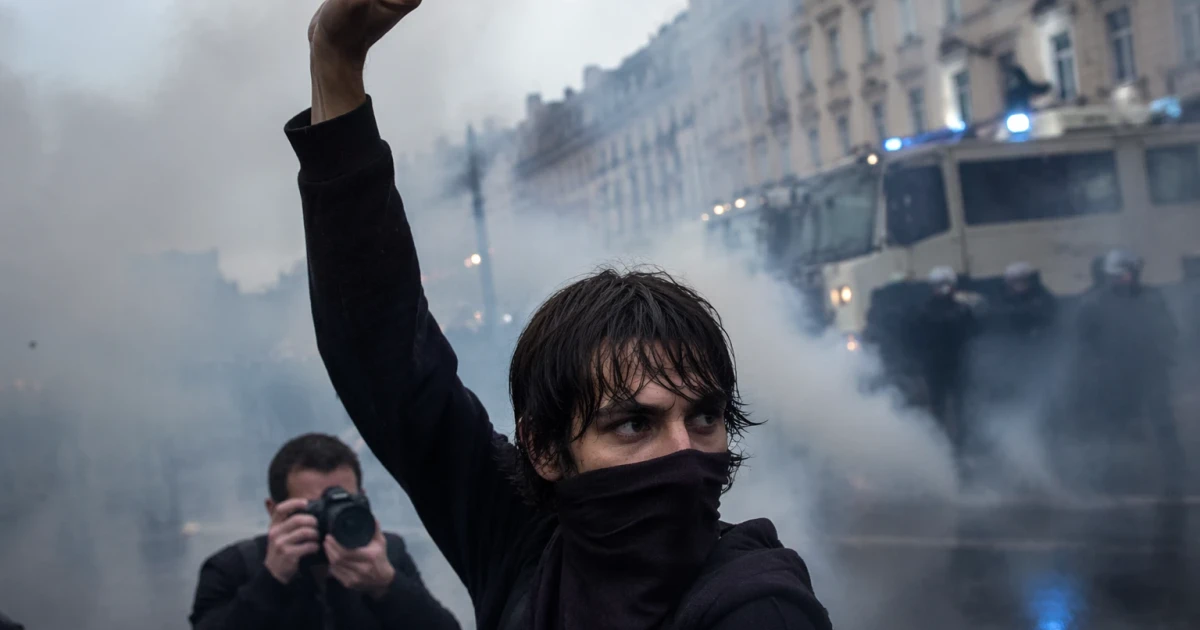
Crowds filled Brussels on June 8 to denounce what protesters described as excessive police force, turning anger over education cuts into a wider challenge to state authority. The demonstrations grew out of earlier unrest over planned reforms to French-language education in Belgium, where clashes with police, tear gas and water cannon have deepened the dispute.
More than 1,000 demonstrators gathered in Brussels on June 4 to oppose the cuts, and the protest escalated near Brussels Central Station, where police used tear gas and water cannon against Francophone demonstrators. VRT reported that objects were set on fire near the station as the city centre was left strewn with debris, vandalised bicycles, smashed windows and damaged street signs. By June 8, the anger had shifted from the budget itself to the conduct of Brussels police, with protesters arguing that the response to earlier marches had been too aggressive.
The policy fight began months earlier. On October 10, 2025, the Wallonia-Brussels Federation government set out its 2026-2029 budget plan, aiming to bring a chronic deficit that was nearly €1.7 billion in 2023 down to about €1.2 billion by 2029. The education package has become one of the plan’s sharpest austerity points, with one briefing citing €86.7 million in cuts in 2026 alone and another placing the broader 2026 savings at about €255 million.
The measures also reach into school life. Local coverage said the plan includes changes to sick leave entitlements for tenured teachers, cuts to free school supplies and meal programmes, and other reductions that have hit a sector already strained by repeated strikes. Teachers protested earlier in the week before students joined in Brussels, widening the mobilization beyond union activists and into families and school communities.
Despite the unrest, the French-speaking Community approved the cuts in the early hours of June 5 after a fast-track procedure, according to the European Trade Union Committee for Education. Members of the budget committee accused the process of being undemocratic, and the vote has only sharpened the sense that the dispute is about more than spending. It is now a test of whether Belgian authorities can defend austerity without further eroding trust in police and institutions, especially in French-speaking Brussels, where education policy and public legitimacy are colliding in the street.
Sources
- [1]africanews.com
- [2]vrt.be
- [3]reuters.com
- [4]ei-ie.org
- [5]gouvernement.cfwb.be
- [6]epsu.org