Business
Budget Airlines Push for Aid as Major Merger Falters
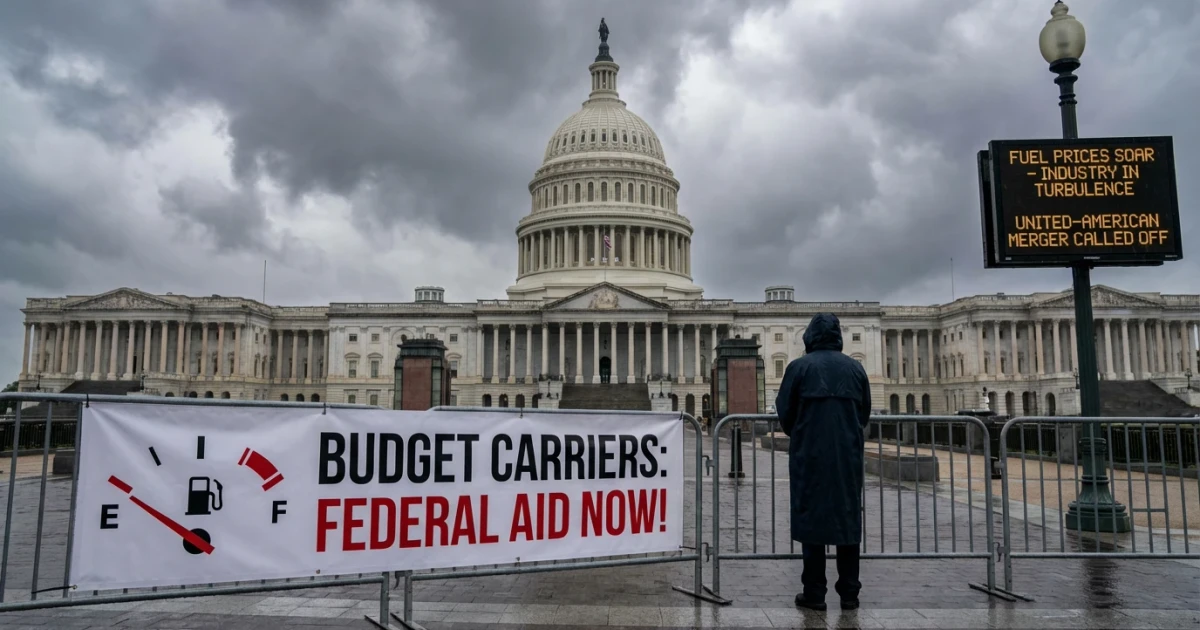
Budget airlines are intensifying calls for federal assistance as rising fuel costs strain their operations and major industry players retreat from consolidation efforts. The push for aid comes in the wake of United Airlines abandoning its proposed deal with American Airlines—a development that underscores the mounting challenges facing both legacy and low-cost carriers in 2026.
Rising Costs Squeeze Budget Airlines
According to Axios, budget airlines have formally requested billions in government support to help offset the impact of surging jet fuel prices. Many of these carriers operate on slim profit margins, making them particularly vulnerable to spikes in operating expenses. Higher fuel costs have placed additional pressure on their ability to keep fares low—a cornerstone of the budget airline business model.
- Budget carriers are appealing for "billions" in relief, according to Axios and other industry reporting.
- Jet fuel prices have climbed substantially in recent months, with data from the EIA showing a clear upward trend throughout 2026.
- Many low-cost airlines report shrinking cash reserves and increased risk of route cutbacks without immediate intervention.
United Abandons American Airlines Deal
In a parallel setback for industry stability, Axios reported that United Airlines has officially withdrawn from its proposed deal with American Airlines. This decision marks the end of a high-profile consolidation attempt that some analysts believed could have provided both airlines with greater leverage to weather current market headwinds. The withdrawal signals a lack of consensus on the best path forward as the industry grapples with financial uncertainty and regulatory scrutiny.
While the specifics of the failed deal were not disclosed, the collapse removes a key lifeline that some budget carriers hoped would stabilize the broader marketplace. It also raises questions about the viability of further consolidation among major U.S. airlines in the near future.
Federal Relief Request and Industry Response
Budget airlines have lobbied the current administration for support similar to the CARES Act Airline Relief Program enacted during the COVID-19 pandemic. That program provided billions in direct aid to keep carriers afloat during a period of historic travel disruptions. Industry groups argue that the current crisis—driven by fuel prices rather than demand collapse—warrants comparable intervention to preserve competition and consumer choice.
While the Trump administration has not yet announced a formal response to the request, Axios notes growing debate over the necessity and structure of any new relief. Past programs, documented in official SEC filings and Bureau of Transportation Statistics data, were subject to intense scrutiny regarding their effectiveness and the conditions attached to funding.
Impact on Travelers and the Market
For travelers, the financial health of budget airlines has direct implications for airfare competition, route availability, and service frequency. If low-cost carriers are forced to reduce capacity or exit markets, consumers could face higher prices and fewer choices—especially on popular domestic routes where competition has kept fares low.
- Global airline industry statistics from IATA highlight the ongoing volatility in the sector, with budget carriers under disproportionate financial pressure in 2026.
- Industry analysts warn that consolidation among major airlines, if revived, could further reduce competition if budget carriers contract or fold.
Looking Forward
The coming months will be critical for U.S. budget airlines as they await a decision from the federal government. Industry observers are watching closely to see whether policymakers will offer targeted relief, broader stimulus, or encourage further consolidation. The fate of low-cost carriers—and the competitive landscape for American air travel—hangs in the balance as economic pressures persist and strategic options narrow.