Business
Budweiser faces trademark hurdles in Germany’s crowded beer market
Budweiser’s German comeback is running into two barriers at once: a trademark wall and a market that already belongs to local beer. In Germany, AB InBev has repeatedly had to work around the Budweiser name, while Bitburger Brauerei Th. Simon GmbH has kept a firm grip on a country where domestic lagers still carry more weight than an American import.
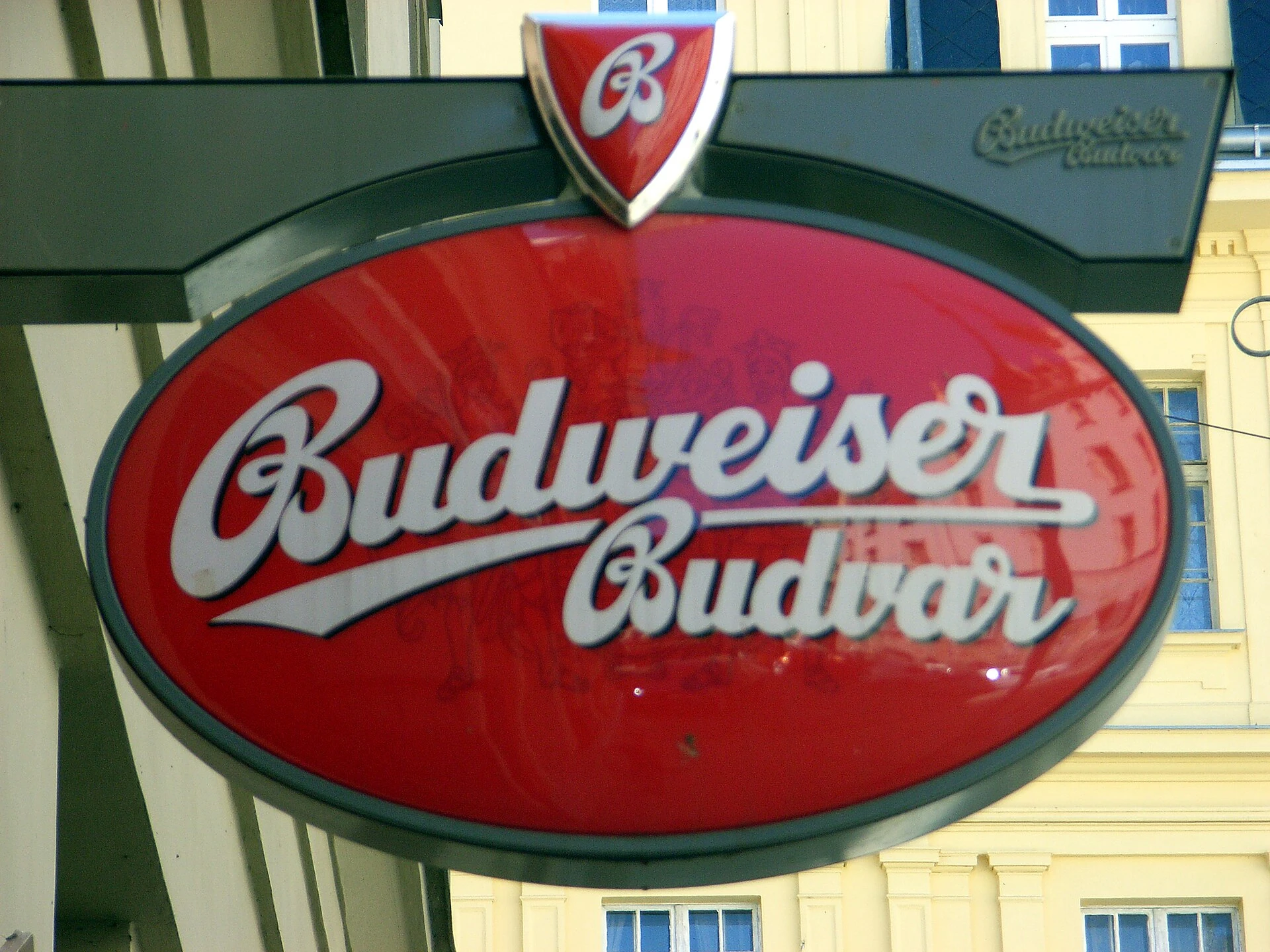
The trademark dispute behind that problem goes back to the early 20th century and has produced more than 100 court cases worldwide. In Europe, Budějovický Budvar, the Czech state-owned brewery tied to České Budějovice, has often controlled the Budweiser name, while AB InBev has usually sold the beer under the shorter Bud label. Germany has been the exception in much of that arrangement because of a separate conflict with Bitburger over similar marks.
That fight reached a key point on October 19, 2006, when the EU General Court held that there was no likelihood of confusion for the average German consumer between Bitburger’s marks and AB InBev’s BUD mark. Even so, the branding limits remained real enough that AB InBev used the name Anheuser-Busch Bud in Germany during the 2006 FIFA World Cup, one of the most visible promotional stages in a football-obsessed market.
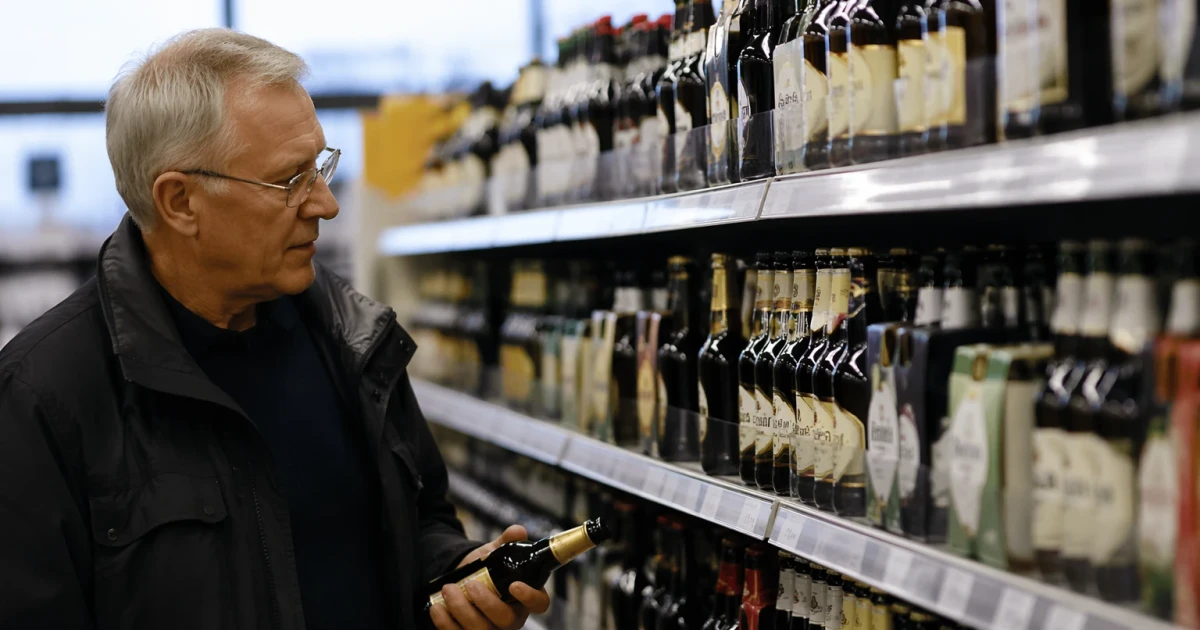
Germany’s beer aisle has offered little help. Bitburger describes its Premium Pils as “the most tapped beer in Germany,” a reminder of how deeply established domestic brands remain. Beer consumption in Germany has also been declining in recent years, with the drop particularly sharp among younger adults, making it harder for any lager, let alone an American one, to win lasting shelf space and tap handles.
For AB InBev, the challenge is bigger than a labeling dispute. The world’s largest brewer can invest behind Budweiser globally, but Germany shows that scale does not automatically translate into acceptance. In a market shaped by local loyalty, legal history and changing drinking habits, Budweiser is not just selling beer. It is trying to earn permission.
Sources
- [1]nytimes.com
- [2]eur-lex.europa.eu
- [3]beertasting.com
- [4]bitburger.de
- [5]statista.com
- [6]ab-inbev.com
- [7]policy.trade.ec.europa.eu