World
Bulgaria’s Political Turmoil Draws Kremlin Interest After Hungary Shift
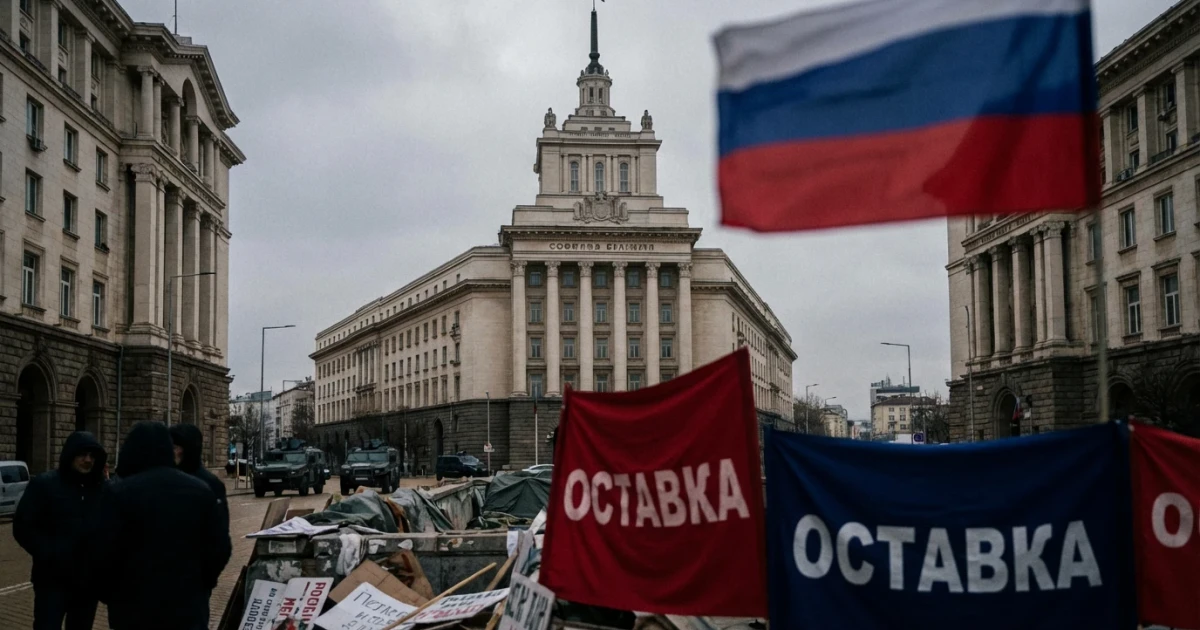
Bulgaria has moved into the international spotlight as it faces its eighth election in five years, with analysts and observers noting the country’s rising importance for the Kremlin after Viktor Orban’s defeat in Hungary. Amid persistent political gridlock and widespread public frustration, Bulgaria now stands as a potential new avenue for Russian influence in the region, according to recent analysis from The Washington Post.
Political Instability Fuels Opportunity
Bulgaria’s frequent elections highlight a deep-seated instability. Since 2021, the nation has cycled through a series of inconclusive votes, with no party able to secure a stable majority. This ongoing deadlock has left many Bulgarians, especially the youth, disillusioned with the political process. The Guardian notes that young voters in Bulgaria are particularly eager for change, hoping for an end to the cycle of caretaker governments and short-lived coalitions. Their frustration reflects a broader trend of declining voter turnout rates and trust in institutions.
- Bulgaria has held eight parliamentary elections since 2021, more than any other EU country in this period.
- Turnout has fallen steadily, with recent elections seeing participation dip below 40%.
According to The Washington Post, this persistent instability makes Bulgaria fertile ground for outside influence, particularly from Russia, as the Kremlin recalibrates its regional strategy following Orban’s exit from power in Hungary.
The Kremlin’s Calculated Interest
With Orban’s defeat, Moscow is reportedly eyeing Bulgaria as its next best bet within the European Union. The Washington Post reports that Bulgaria’s historical and cultural ties to Russia, combined with its strategic location and ongoing political fragmentation, create an environment conducive to Kremlin-backed disinformation efforts and political maneuvering. While direct intervention remains unproven, analysts suggest that Russia is likely to exploit the divisions in Bulgarian politics to advance its interests and weaken EU unity.
- Bulgaria remains one of the EU’s most vulnerable states to Russian influence, according to research by the Center for Strategic and International Studies.
- Disinformation campaigns and energy diplomacy are among the Kremlin’s main tools for shaping public opinion and policy outcomes in Sofia.
Young Bulgarians Demand Change
Despite the geopolitical intrigue, the domestic picture is defined by a yearning for lasting reform. The Guardian’s coverage highlights how Bulgarian youth are increasingly vocal in their demands for transparency, anti-corruption measures, and an end to the carousel of caretaker administrations. Many young Bulgarians believe their country’s future is at stake, not only in terms of domestic governance but also in relation to its European and international alignment.
- Corruption remains a top concern, with Transparency International consistently ranking Bulgaria among the EU’s lowest on anti-corruption indices.
- Freedom House’s most recent country report notes ongoing challenges to the rule of law and press freedom.
What’s Next for Bulgaria?
As Bulgaria prepares for yet another election, the stakes are high. The outcome will not only determine the country’s domestic trajectory but also have broader implications for EU stability and Russian influence in Eastern Europe. Observers will be watching closely to see if a clear mandate emerges and whether the next government can deliver the reforms that many Bulgarians, especially the younger generation, so urgently desire.
For those interested in following Bulgaria’s evolving political landscape, official decisions and election results are available from the Central Election Commission, while ongoing election monitoring and analysis is provided by the OSCE/ODIHR.