Business
Bumble explores sale as dating app struggles with shrinking users
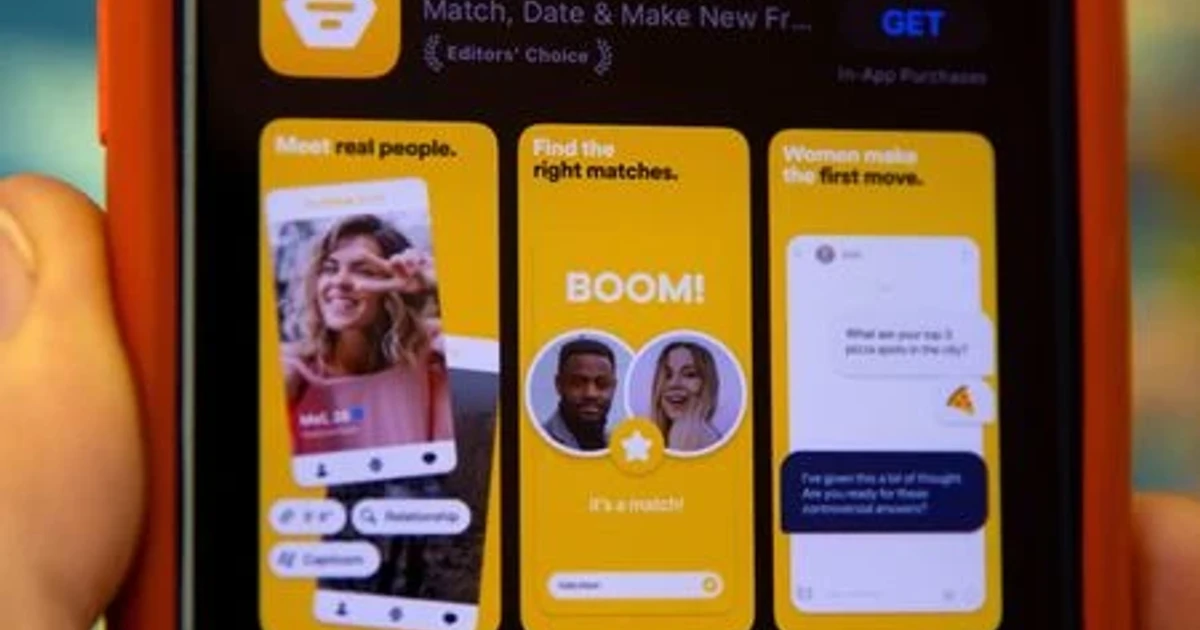
Bumble is exploring a sale with Morgan Stanley as shrinking users and softer revenue deepen pressure on the women-first dating app. People familiar with the matter said the discussions are private and no deal is assured, leaving the Austin-based company free to remain independent.
The timing is stark. Bumble shares have fallen 48% over the past year, cutting the company’s market value to about $388 million. Total paying users dropped more than 11% in 2025 to around 3.7 million, annual revenue slipped nearly 10% to $966 million, and first-quarter 2026 paying users were down about 20% from a year earlier after Bumble trimmed lower-engagement accounts.
The company’s latest results show the strain running through the business. On May 5, Bumble said first-quarter revenue fell 14% to $212 million, even as net earnings rose to $53 million and adjusted EBITDA increased 28% to $83 million. In its March 11 full-year 2025 results, Bumble reported revenue of $966 million, down 10% from the prior year, and operating cash flow of $250 million. That combination of healthier profit metrics and weaker top-line growth underlines the tradeoff now facing the company: tighter execution has not yet stopped user losses.
Bumble built its brand around a simple proposition when Whitney Wolfe Herd founded it in 2014: women make the first move. That positioning turned Bumble into one of the best-known names in online dating, but it has not insulated the company from a broader slowdown across consumer dating platforms, where younger users are showing fatigue and monetization is getting harder. Bumble has acknowledged the need for a reset, saying in 2025 that it was returning to its women-first foundation. In its May earnings release, the company said it plans to launch a fully reimagined Bumble experience on a rebuilt, AI-enabled platform later in 2026.
Wolfe Herd returned as chief executive in March 2025 after stepping away two years earlier, replacing Lidiane Jones. The leadership change came as Bumble tried to steady a business that has also pushed beyond core dating through products such as Bumble For Friends and Bumble Bizz. Bumble said the Bumble For Friends app was relaunched as BFF in the United States in September 2025, but those offerings remain small compared with the main app.

Blackstone, which took a majority stake in Bumble’s predecessor MagicLab in 2019 at a valuation of about $3 billion, still owns about 22% of the company, according to LSEG data. The contrast with Match Group is telling: while Bumble has been under pressure, Match Group’s market value has risen about 12% over the past year, a sign that investors still see more staying power in parts of the sector even as confidence in the dating-app model weakens.
Sources
- [1]srnnews.com
- [2]ir.bumble.com
- [3]team.bumble.com
- [4]reuters.com
- [5]marketscreener.com