Health
Bumblebees show emotion-like behavior in first study of insect feelings
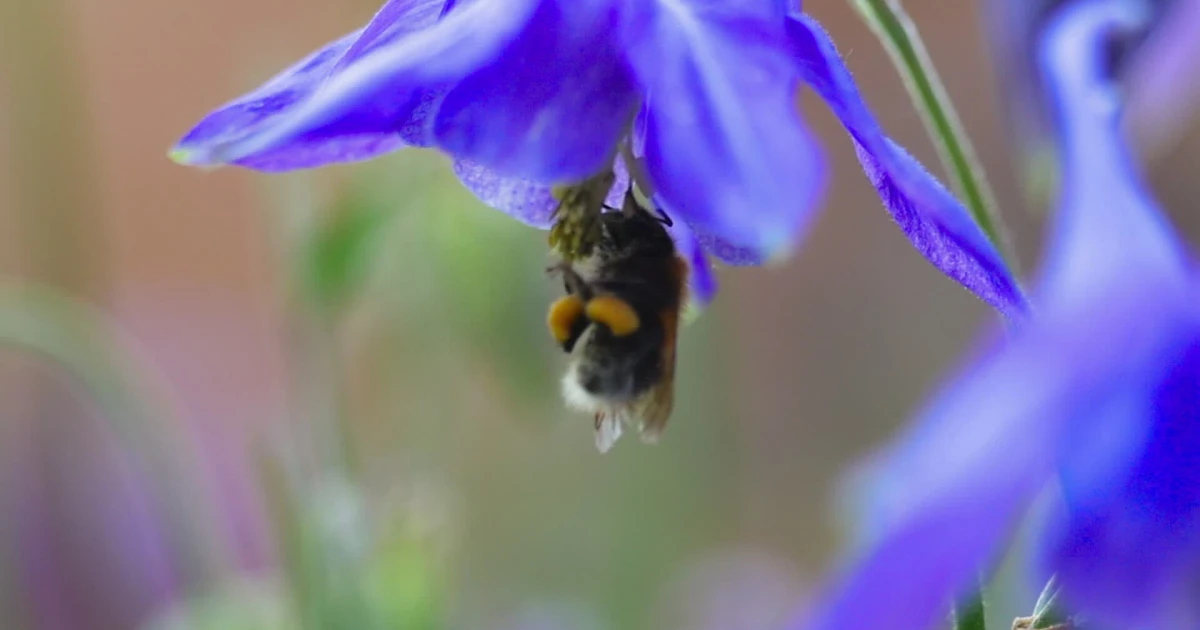
Bumblebees in a new laboratory study shook their heads and wiped their mouths after tasting bitter or salty liquids, then extended their glossae toward sugar solutions, a set of reactions researchers say amounts to observable liking and disliking behavior rather than simple feeding reflexes.
The work, published July 7, 2026 in Proceedings of the National Academy of Sciences, tracked 18 colonies of Bombus terrestris with slow-motion video. Fei Peng and Cwyn Solvi, working at Southern Medical University in Guangzhou, China, watched how the bees responded after tasting different liquids and found a repeatable split between appetitive and aversive reactions.
The study is the latest attempt to put hard evidence behind a question long treated as speculation: whether insects show anything that looks like an inner life. The researchers did not claim bumblebees feel emotions the way mammals do. They showed emotion-like behaviors, a narrower finding that still raises the stakes for how scientists interpret insect behavior in the field and in the lab.
Andrew Barron, a neuroethologist at Macquarie University in Sydney, said the results offer a practical read on that inner life and push the discussion beyond the idea that insects are little machines. He also stressed the limit of the evidence: scientists still do not know what bees actually experience. Barron pointed out that the bee brain weighs less than a milligram, yet the new results suggest it may still evaluate experiences as pleasant or unpleasant.
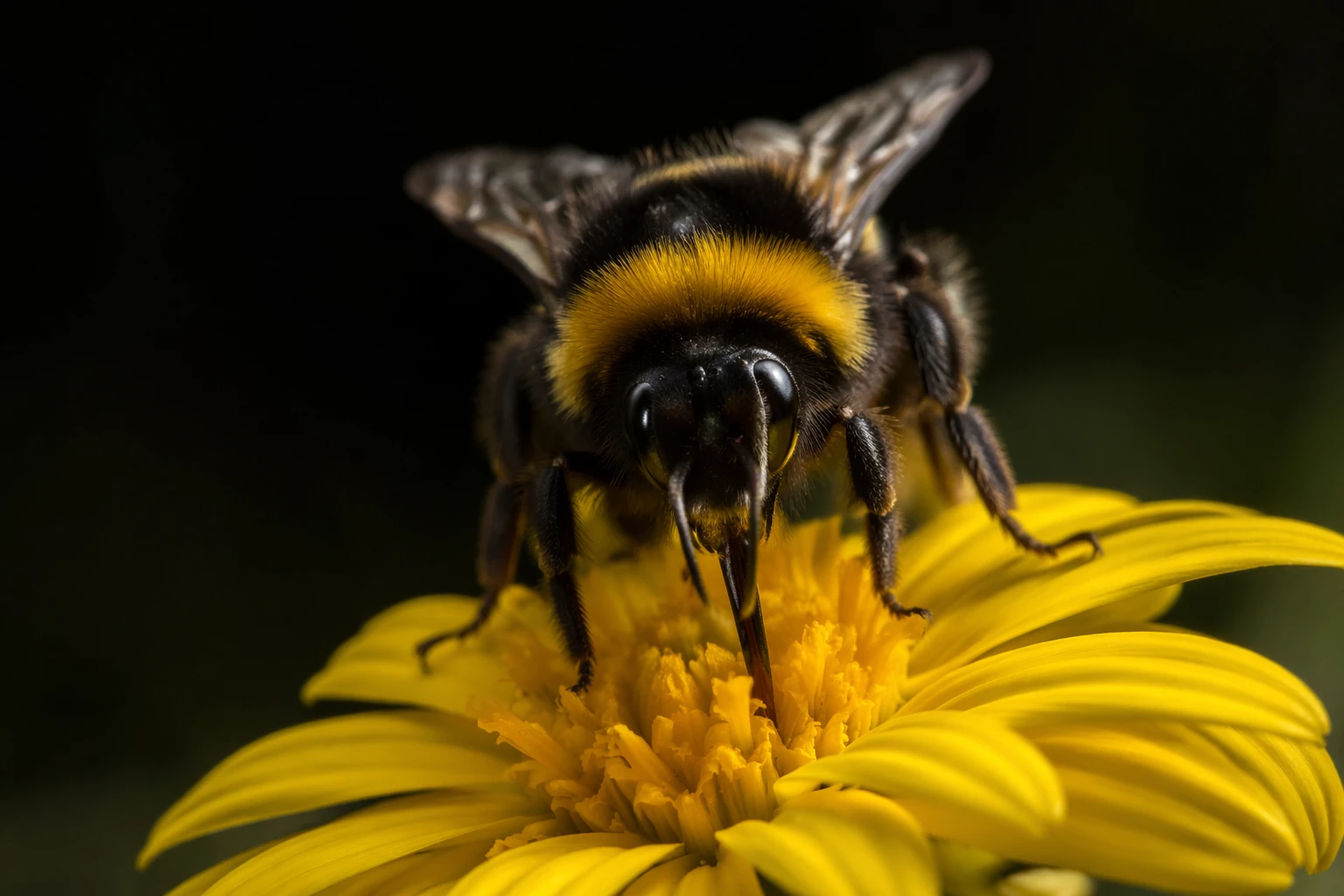
That matters beyond the curiosity of watching a bee recoil from a bad taste. If insects can register and act on positive and negative states, the findings could sharpen debates over pollinator conservation, pesticide exposure and the way laboratories handle bees in research. Even a small brain, the study implies, may be built to sort the world into things to approach and things to avoid.
The new paper builds on earlier work from Newcastle University and the University of Birmingham, published October 9, 2024 in Proceedings of the Royal Society B. That study found stressed bumblebees made more pessimistic choices after a simulated predatory attack or after being shaken and trapped by a robotic arm fitted with a sponge. The researchers said that stress response could alter how bees approach flowers and, by extension, how they pollinate plants.
Sources
- [1]bbc.co.uk
- [2]miragenews.com
- [3]phys.org
- [4]birmingham.ac.uk