Health
Bundibugyo Ebola Outbreak Spurs Global Health Response
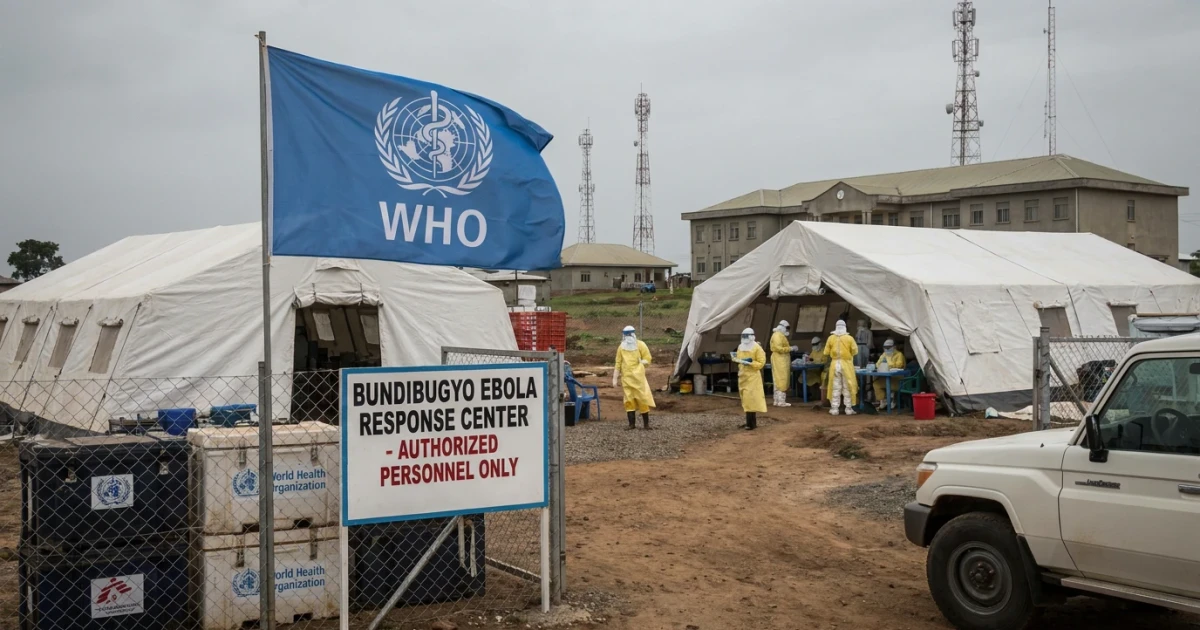
International health officials are intensifying efforts in response to a rare outbreak of the Bundibugyo strain of Ebola, as the World Health Organization (WHO) reports 906 suspected cases and 223 suspected deaths across affected regions. The surge in cases has raised concerns about containment, especially amid local distrust and ongoing insecurity.
Unfolding Crisis and Case Numbers
The latest figures, announced by the WHO and covered in Reuters, highlight the scale of the outbreak. The Bundibugyo strain is known for its high transmissibility and significant fatality rates, making swift intervention critical. The current tally of 906 suspected cases and 223 suspected deaths underscores the need for urgent public health measures and international cooperation.
Understanding the Bundibugyo Strain
The Bundibugyo ebolavirus was first identified in Uganda in 2007. According to the World Health Organization's detailed background information, this strain is one of several known to cause Ebola virus disease (EVD) in humans, characterized by sudden fever, intense weakness, muscle pain, and in severe cases, bleeding. The European Centre for Disease Prevention and Control notes that the Bundibugyo strain has a case fatality rate typically ranging from 25% to 50%, depending on the quality of medical care and the speed of outbreak response.
- Suspected cases: 906
- Suspected deaths: 223
- Case fatality rate: Estimated 25-50% for Bundibugyo strain
Challenges in Outbreak Management
The WHO's deployment of senior officials to the Democratic Republic of Congo underscores the seriousness of the situation. According to Reuters, WHO chief Dr. Tedros Adhanom Ghebreyesus has arrived in the region to coordinate the response amid local challenges. Distrust toward health authorities and insecurity in affected communities have complicated containment efforts, echoing concerns from previous Ebola outbreaks.
Historically, outbreaks in conflict-affected or remote areas often impede access for surveillance teams, limit community engagement, and increase the risk of further transmission. The peer-reviewed research on the 2007 Bundibugyo outbreak emphasized the importance of rapid case detection, community education, and safe burial practices to control the spread of the disease.
Global Health Response and Next Steps
International agencies and local health ministries are collaborating to trace contacts, support treatment centers, and disseminate accurate information. The WHO continues to monitor developments closely and update guidance for frontline responders. With Ebola virus disease having no specific cure, supportive care and preventive measures remain the cornerstone of outbreak control.
What Readers Should Know
- Anyone in affected regions should follow public health guidance on hygiene and report symptoms promptly.
- Health workers require robust protective equipment and community trust to operate effectively.
- Ongoing research is exploring vaccines and therapeutics for Bundibugyo and other Ebola strains.
The current outbreak highlights the persistent threat of Ebola and the critical need for strong health systems, rapid response, and international solidarity. As containment efforts intensify, accurate information and local engagement will be vital to curbing the Bundibugyo strain’s impact.