Health
Bundibugyo Ebola virus resurges in Congo, halting border life
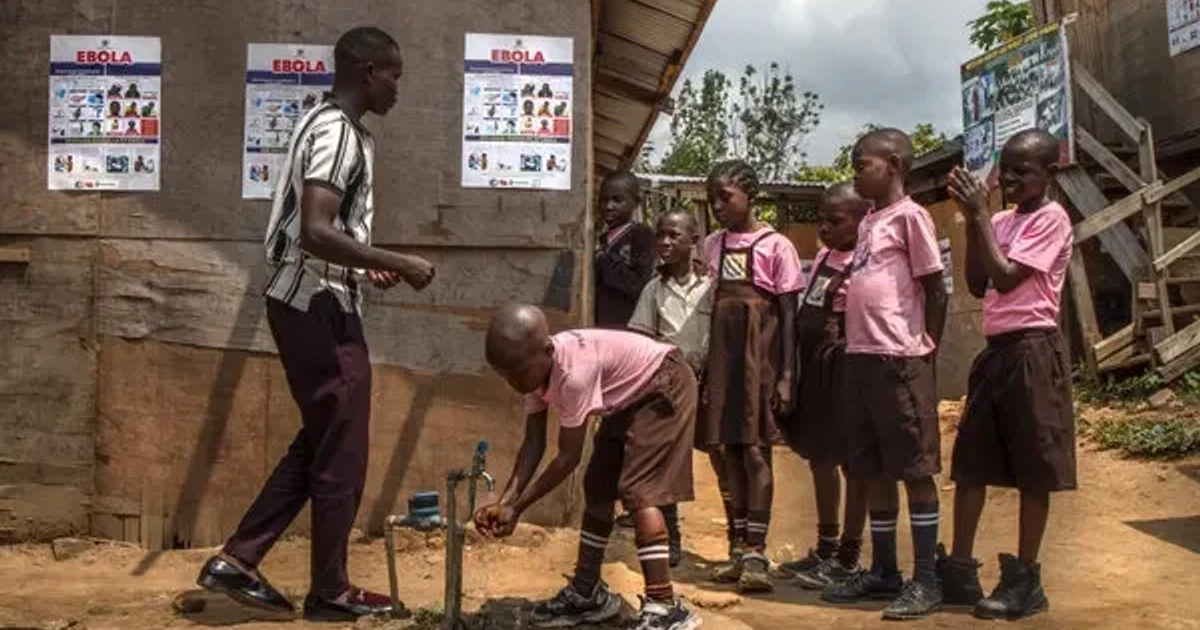
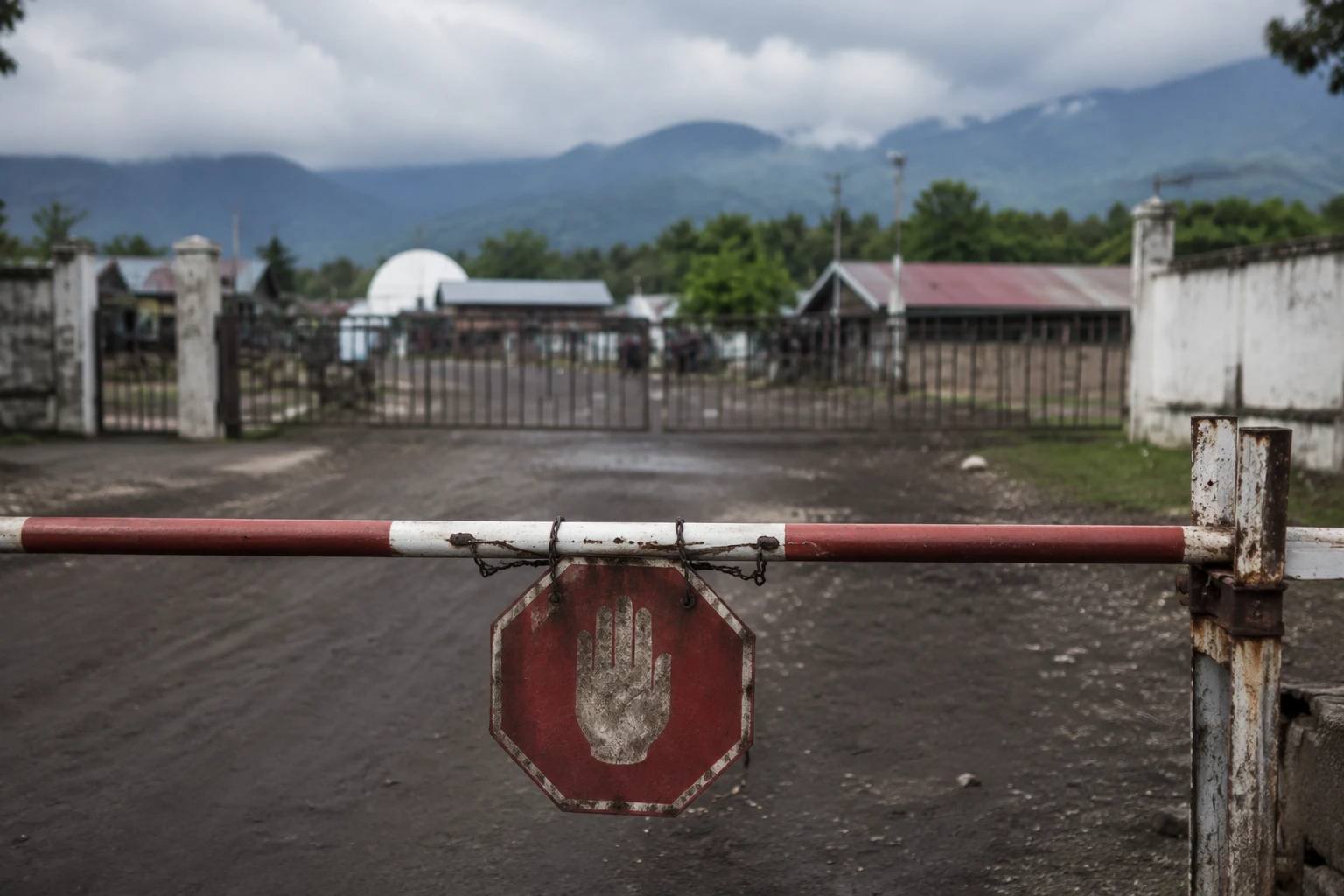
Uganda shut a high-traffic border crossing with Congo as Bundibugyo virus spread through eastern Congo and into Uganda, interrupting trade and travel along a frontier that depends on daily movement. WHO declared the outbreak a Public Health Emergency of International Concern on 17 May 2026, and health agencies said there were still no licensed vaccines or specific treatments for Bundibugyo virus disease.
The virus carries the name of Bundibugyo, the small town in western Uganda where Ebola haemorrhagic fever was first confirmed on 30 November 2007. ReliefWeb said the outbreak likely began in Kikyo Village, Kasitu Sub County after a suspected early patient was rumored to have eaten a dead goat on 20 August 2007. By 24 December 2007, the district had 135 cumulative cases, 35 deaths and 34 laboratory-confirmed infections.
WHO later identified the illness as a new Ebola species, Bundibugyo ebolavirus, and CDC background materials say the 2007 Uganda outbreak was the first recognized outbreak of that species. A CDC-linked paper put the Bundibugyo outbreak’s case fatality rate at about 34 percent, below the 53 percent cited for the Gulu outbreak. The numbers made the strain less deadly than some earlier Ebola outbreaks, but they also underscored how quickly an unfamiliar virus could outrun local defenses.
Two decades later, the response in Uganda rests on the systems built out of that first crisis: community trust, surveillance and safe burial practices. WHO’s African regional office has said community trust is critical to health emergency response, and the Uganda Red Cross was training more Safe and Dignified Burial teams as the 2026 outbreak evolved. Scientific and humanitarian commentators have warned that Bundibugyo is especially difficult to contain because there are no licensed countermeasures and the window for isolation, monitoring and cross-border screening is short.
The outbreak has also reopened debate in Uganda over the virus’s name, with residents questioning why a deadly strain should continue to carry the Bundibugyo label. Two decades after the district first gave Ebola a new species name, the town is back in the center of a crisis that now tests whether the local habits of trust, reporting and burial discipline can keep border life from collapsing again.
Sources
- [1]nytimes.com
- [2]who.int
- [3]reliefweb.int
- [4]cdc.gov
- [5]pmc.ncbi.nlm.nih.gov
- [6]stacks.cdc.gov
- [7]reuters.com
- [8]sciencemediacentre.org
- [9]doctorswithoutborders.org
- [10]apnews.com