Technology
Burger King Trials AI Headsets to Monitor Employee Courtesy
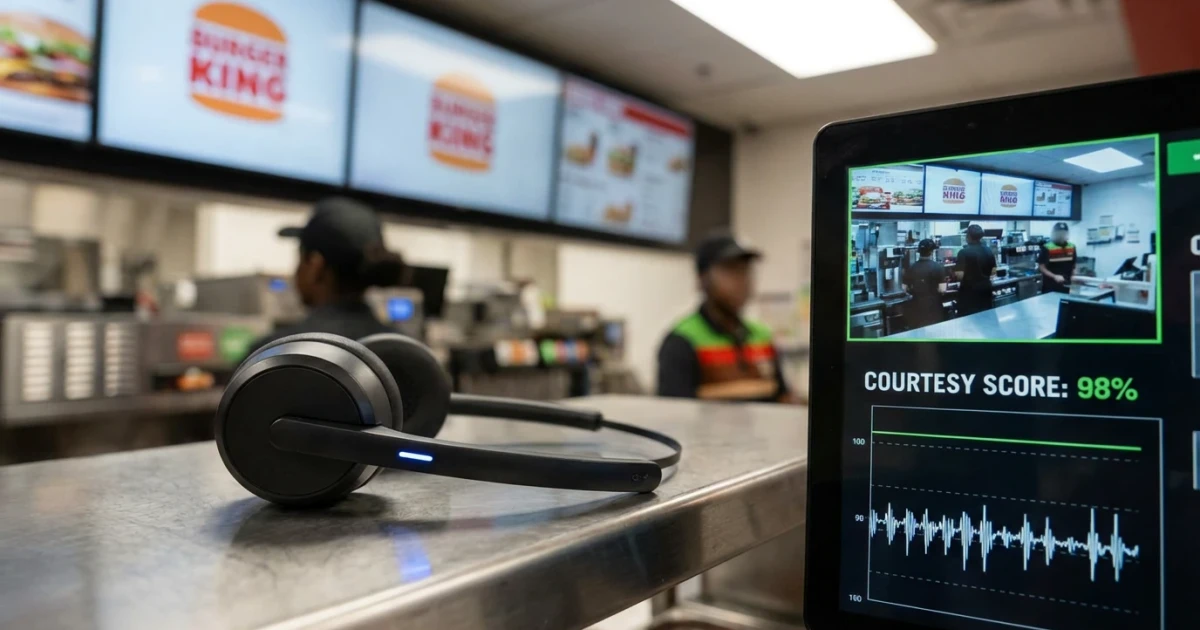
Burger King is piloting artificial intelligence-powered headsets to monitor whether employees use polite language such as "please" and "thank you" during customer interactions, a move that reflects the fast food industry’s increasing reliance on technology to enhance service quality and workplace oversight.
How the AI Headset Pilot Works
According to a report from The Hill, the pilot program equips Burger King staff with AI-enabled headsets capable of analyzing speech for specific phrases associated with customer service etiquette. These headsets are designed to recognize when employees say common courtesies, and the resulting data could be used to assess or train staff performance.
Industry Context: Technology and Customer Service
The introduction of AI to monitor workplace behavior is part of a broader trend across the restaurant sector. Chains and operators are increasingly adopting technology to improve efficiency and maintain service standards. Burger King’s worldwide revenues highlight the scale and competitive pressure within the industry, driving companies to seek every advantage in customer satisfaction and brand reputation.
- According to the National Restaurant Association, customer service metrics such as politeness and speed are key benchmarks for the industry.
- Employment data from the Bureau of Labor Statistics show that the fast food sector supports millions of jobs, making any change in workplace practices potentially impactful at scale.
AI in the Workplace: Opportunities and Concerns
AI-driven monitoring tools are becoming more common, not just in food service but across many sectors. Research from the National Institute of Standards and Technology (NIST) shows that AI can influence workplace behavior and performance, but also raises questions about employee autonomy, privacy, and morale.
The Equal Employment Opportunity Commission’s guidance on AI and algorithmic decision-making emphasizes the importance of fairness and legal compliance when deploying such technologies in hiring or monitoring practices. While Burger King’s pilot is currently focused on service etiquette, experts note that broader implementation of AI in fast food could have far-reaching effects on worker experience and management practices.
Industry Reaction and Next Steps
The rollout of these AI headsets by Burger King has sparked debate within the industry and among labor advocates. Some see the technology as a tool for improving customer service and operational consistency. Others worry about potential invasions of privacy and the pressure it may place on employees to conform to algorithmic standards.
As the pilot continues, Burger King has not announced specific timelines for broader adoption or shared detailed results from the initial trials. The company’s experiment underscores a growing trend: fast food chains are looking to automation and AI not just for kitchen efficiency, but also to shape the customer experience at the counter and drive-thru window. How these innovations balance productivity, quality, and employee well-being will be closely watched by both industry insiders and the public.
Looking Ahead
The use of AI to monitor workplace courtesy is poised to expand as technology becomes more affordable and sophisticated. For brands like Burger King, the challenge will be integrating these tools in ways that genuinely enhance service—without undermining employee trust or running afoul of AI risk management frameworks and evolving workplace standards.
As the fast food industry continues to evolve, the deployment of AI-powered headsets may be just the beginning of a larger conversation about technology, transparency, and the future of customer service.