Sports
Burgess own goal gives United States early lead over Australia
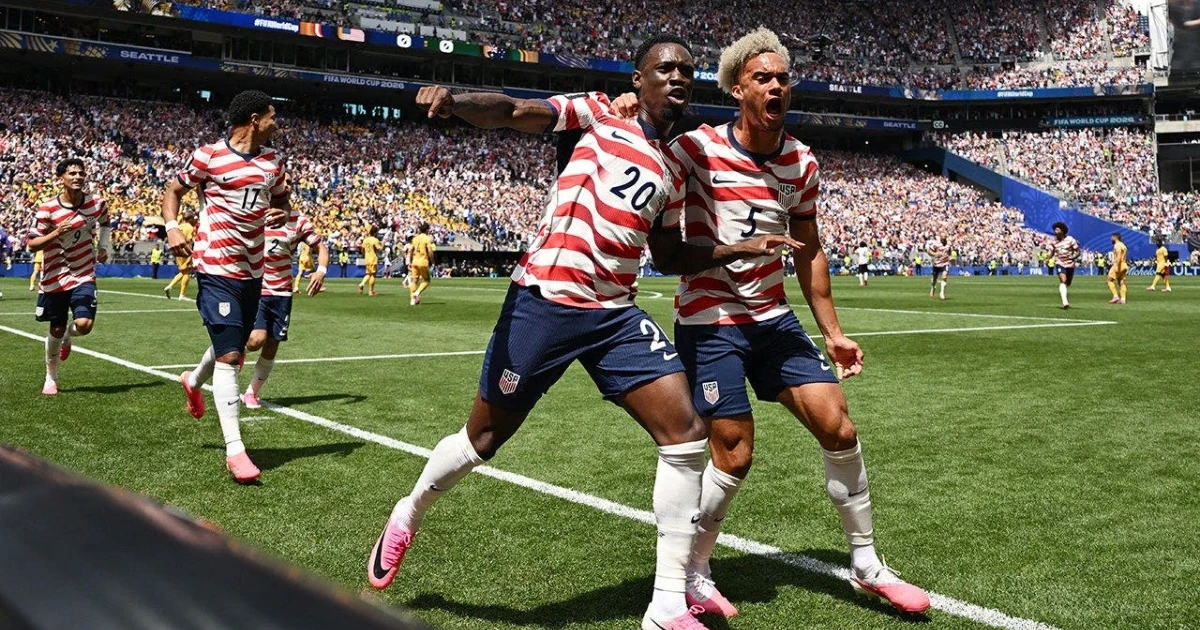
Cameron Burgess’s misfortune changed the match before it could settle. His own goal in the 11th minute handed the United States a 1-0 lead over Australia in Seattle and immediately altered the tactical shape of a Group D game both sides had circled as a chance to seize control of the path to the round of 16.
The goal came at Seattle Stadium, also known as Lumen Field, on June 19, 2026, and it gave the host nation the kind of early advantage that can dictate a World Cup group match. Australia arrived with Tony Popović’s side level on points with the United States after opening wins, and the first slip proved decisive in shifting the burden onto the Australians, who now had to chase the game against a U.S. team more comfortable playing with space in transition.
The stakes were clear. The United States had opened its tournament with a 4-1 win over Paraguay in Los Angeles, while Australia had beaten Türkiye 2-0 in Vancouver. That made the Seattle meeting a direct test of which side could turn a clean start into control of the group, and Burgess’s own goal meant the Americans again drew first blood without a U.S. player recording the finish. It was the second straight World Cup match in which the United States went ahead 1-0 thanks to an opponent’s own goal, a pattern that raises the question of whether Mauricio Pochettino’s team is consistently creating enough pressure or simply cashing in on mistakes.
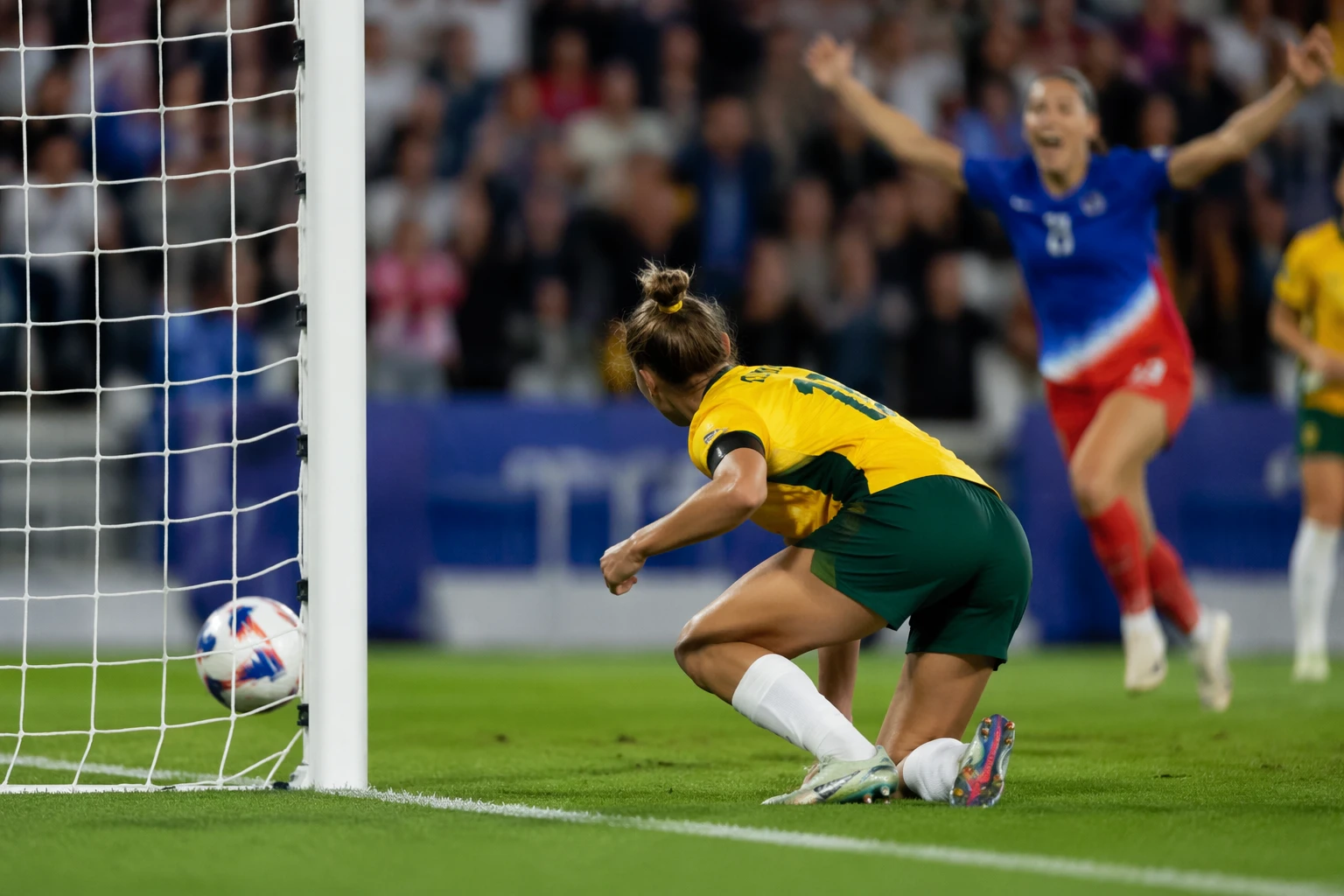
That distinction matters in a tournament built for attrition. FIFA’s 2026 World Cup features 48 teams, 104 matches and 16 host cities across Canada, Mexico and the United States, so early momentum can shape the route through the opening stage as much as any single result. The United States entered Seattle with attacking names including Folarin Balogun, Christian Pulisic, Weston McKennie and Gio Reyna available in a squad that had already shown it could punish opponents, but the own goal against Australia underscored a different reality: the Americans were getting the scoreboard advantage before fully establishing a sustained attacking rhythm.
For Australia, Burgess’s name now sits against one of the most costly moments of the group stage. For the United States, the early lead reinforced a valuable habit, but also left open the larger question of how much of its tournament position is being built through pressure and how much through fortune.
Sources
- [1]telemundo.com
- [2]fifa.com
- [3]reutersconnect.com
- [4]sportingnews.com