Politics
Burnham emerges as Labour’s northern challenger to Starmer
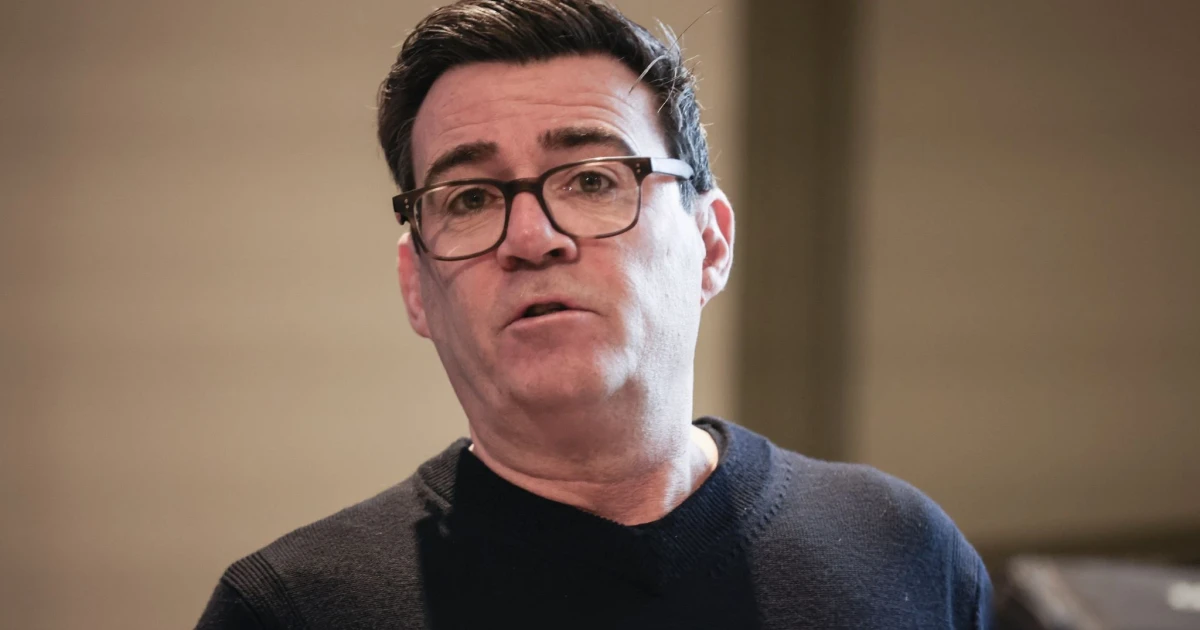
Andy Burnham’s third straight victory in Greater Manchester has turned a regional mayor into a national test of Labour’s post-Starmer future. With 420,749 votes, 63.40% of the ballot and turnout at 32.05% in 2024, Burnham has become the clearest figure around whom supporters are arguing that Labour can win back former industrial and Red Wall voters through northern pragmatism rather than Westminster technocracy.
Burnham was first elected mayor of Greater Manchester in May 2017, then re-elected in May 2021 and again in May 2024. He now leads Policy & Reform, Transport and Healthy Lives for the Greater Manchester Combined Authority, giving him control over the kind of visible local priorities that have helped define his political brand. Before that, he represented Leigh as a Labour MP from 2001 to 2017 and served in Gordon Brown’s cabinet as Secretary of State for Health from 2009 to 2010. He also ran for Labour leader in 2010 and 2015, placing him inside the party’s national argument long before his mayoralty made him one of its most recognisable figures.
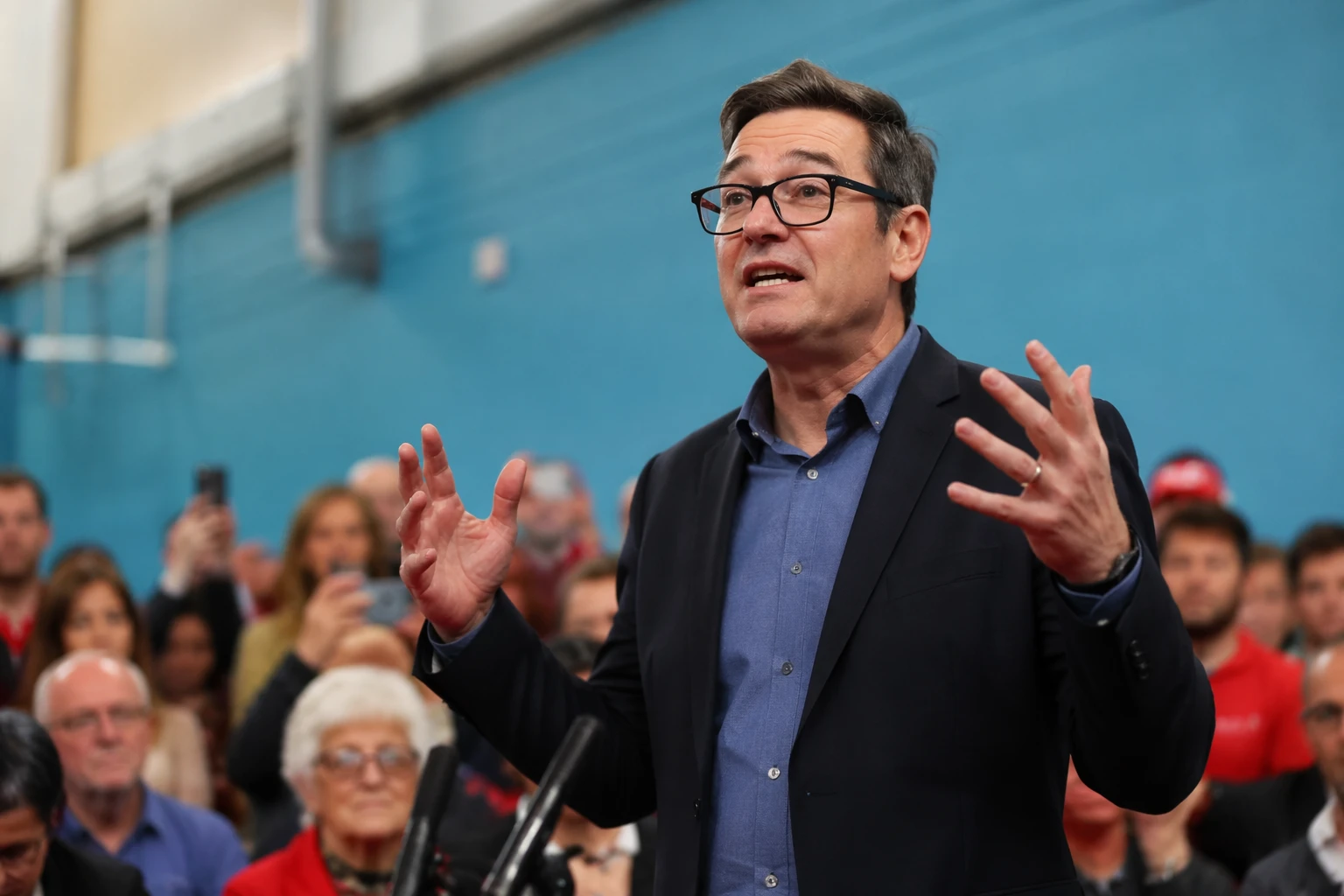
His appeal rests partly on contrast. Commentators describe Burnham as charismatic, northern and marked by a relaxed optimism, qualities that set him apart from Keir Starmer’s more controlled Westminster style. In current debate, allies hope Burnham could mend Labour’s relationship with voters who drifted away in places where the party once dominated. Supporters argue that a leader shaped by Greater Manchester rather than London would give Labour a more devolved, regionally rooted identity and shift power back toward the North of England.
Burnham’s reputation has also been shaped by crisis management. After the 2017 Manchester Arena bombing, he commissioned the Kerslake Report and pushed for stronger long-term trauma support and accountability. That response strengthened his image in Greater Manchester as a mayor willing to connect politics with public duty, not just administration. It also helps explain why he is now described by allies and observers as unusually popular, with strong ratings across the city region and one of the few British politicians seen to hold a net-positive favourability rating.

His national profile rose further amid Labour’s leadership turmoil, with reports that he has signalled he would enter any leadership race against Starmer if he won a parliamentary seat. For Labour, that makes Burnham more than a regional success story. He has become a live test of whether the party’s route back to power runs through the institutional language of Westminster or the harder-edged, northern politics he has spent years building in Greater Manchester.