Politics
Burnham emerges as likely next leader after Starmer resigns
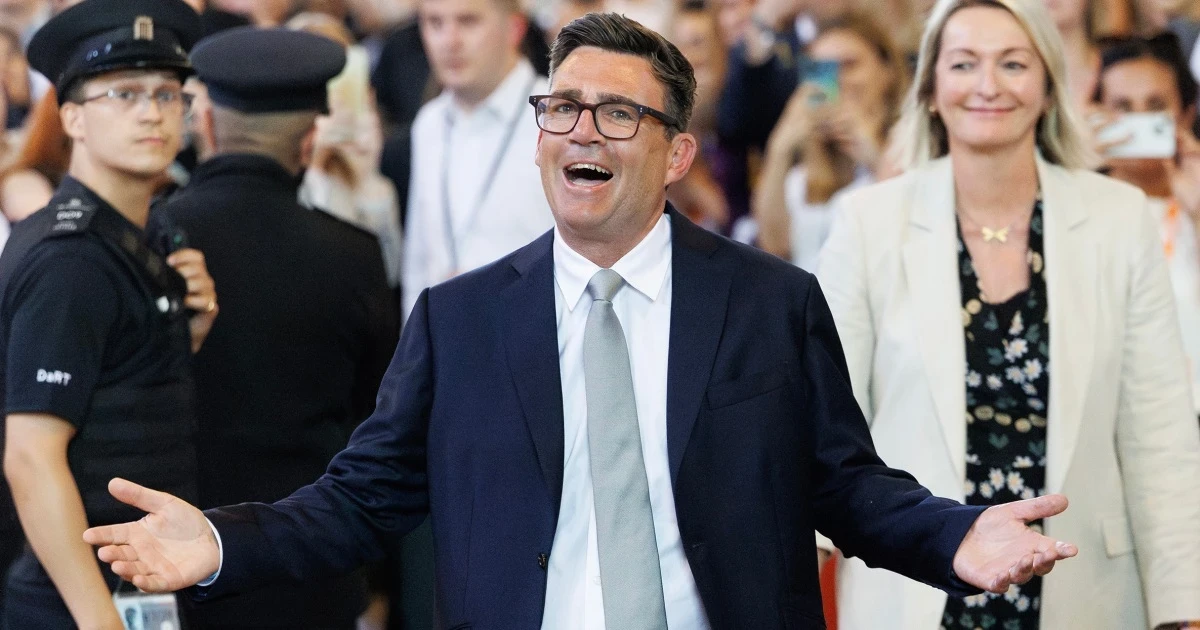
Ten years to the day after Britain voted on EU membership, the country was again confronting a leadership change at the top, with Andy Burnham emerging as the likeliest next Labour leader after Keir Starmer said he would resign and remain only until a successor was chosen. Reuters said Burnham could become Britain’s seventh leader in 10 years, a pace that captures how fragile the political settlement has remained since Brexit.
The referendum that set this cycle in motion was held on 23 June 2016 across the United Kingdom and Gibraltar. Leave won 17,410,742 votes to Remain’s 16,141,241 on a turnout of 72.2 percent, while Scotland backed Remain by 1,661,191 to 1,018,322, leaving a country split not just by party but by geography and identity. That divide still hangs over the arguments about growth, public services and who has paid the price for a decade of upheaval.
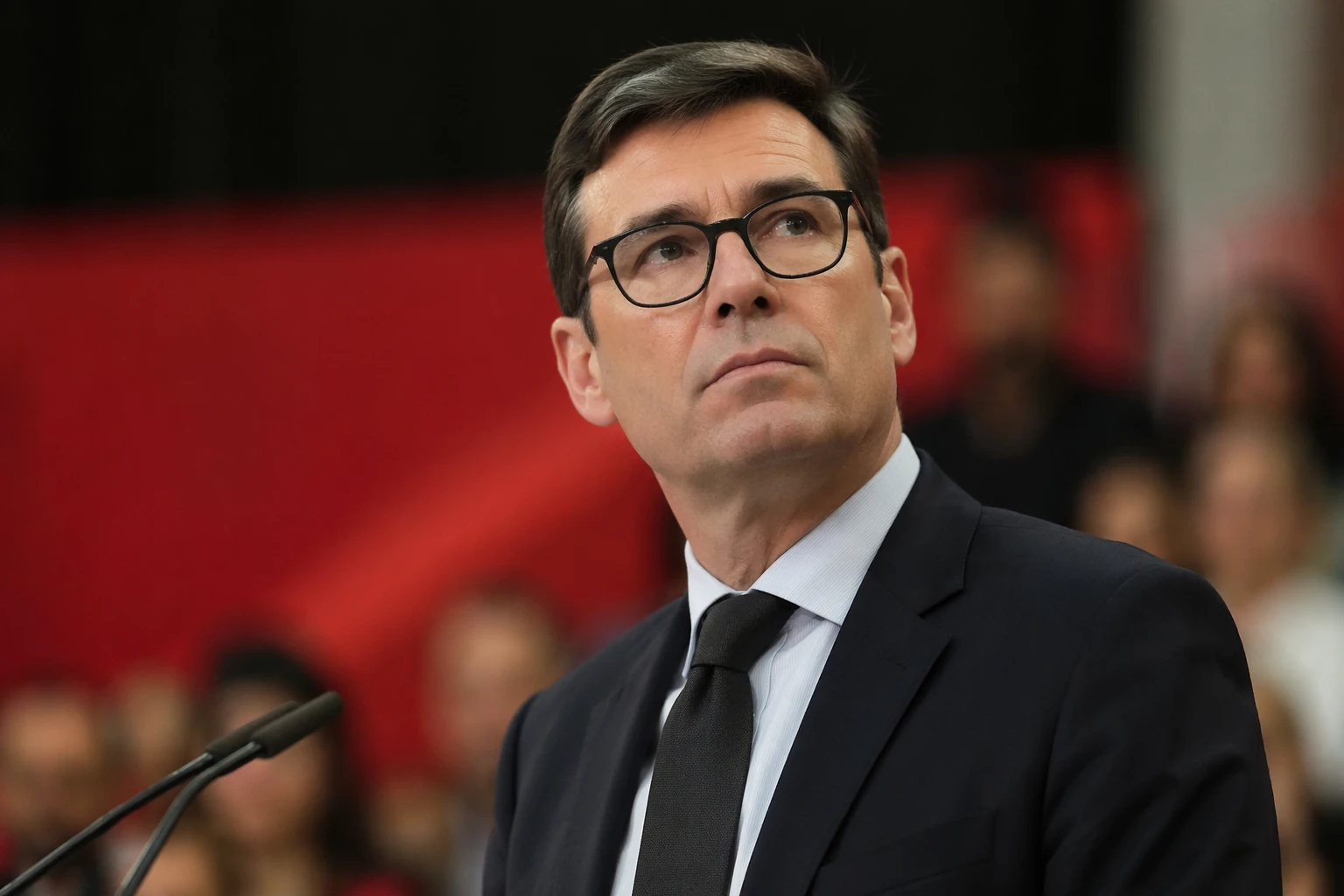
Starmer announced on 22 June 2026 that he would step down as Labour leader after pressure built following poor local election results in early May and mounting dissatisfaction over the economy and immigration. He had been in office for less than two years after Labour’s 2024 landslide, and reports said the party could open nominations on 9 July and close them by 16 July, with a new leader in place by September or even sooner if the contest narrowed to one name.
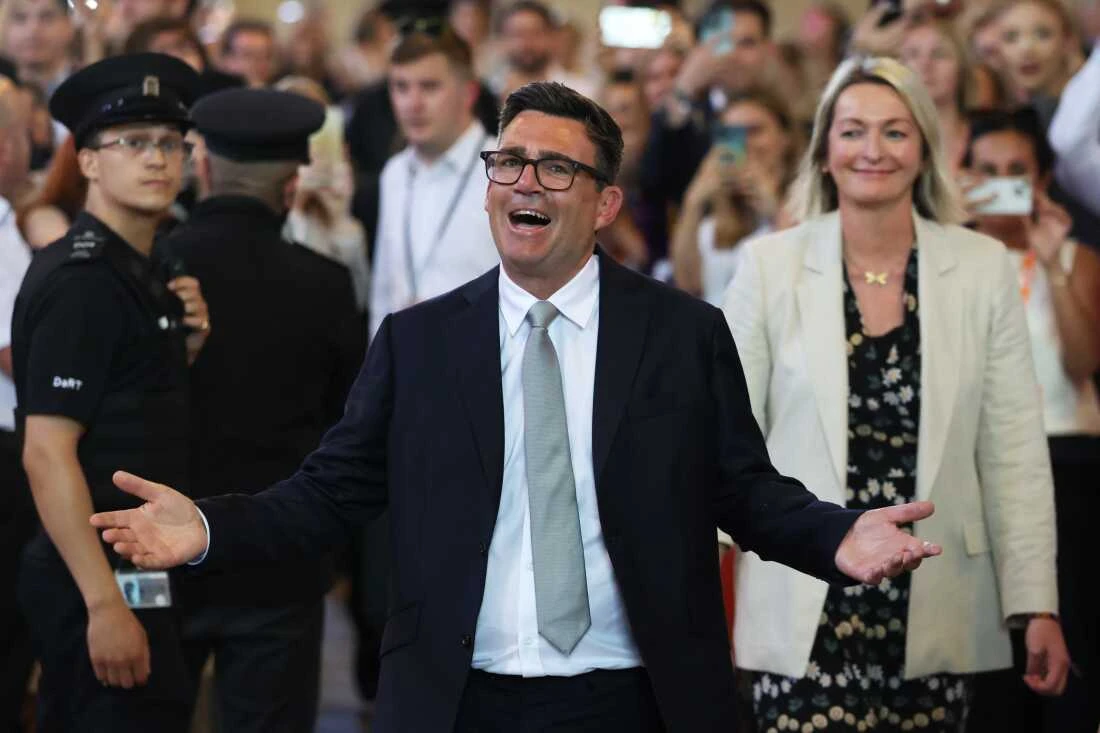
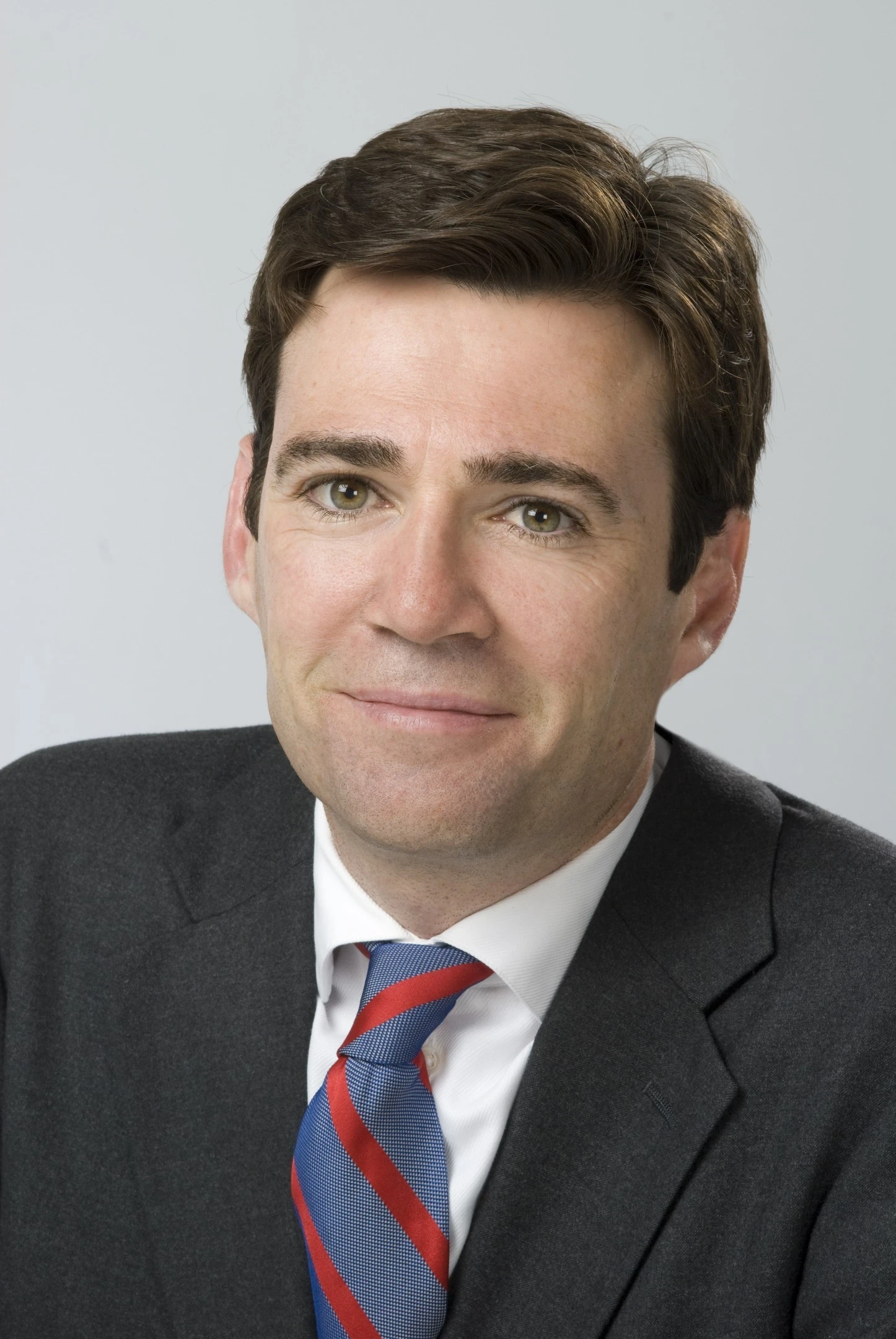
Burnham’s appeal rests partly on familiarity. He ran for Labour’s leadership in 2010 and again in 2015, losing first to Ed Miliband and then to Jeremy Corbyn. Wes Streeting has also said he would back Burnham, reinforcing the sense that Labour’s succession fight is less about one man than about the unresolved strain Brexit exposed: a weak economy, overstretched services, regional grievance and a politics still searching for a durable answer.
Sources
- [1]nbcnews.com
- [2]electoralcommission.org.uk
- [3]usnews.com
- [4]reuters.com
- [5]bbc.com