Politics
Burnham eyes Parliament as Makerfield by-election tests Labour's future

Andy Burnham’s bid to return to Parliament has turned Makerfield, the Wigan-based seat in northern England, into a test of whether Labour can still hold together in a more fragmented political era. With polling day set for Thursday, 18 June 2026, and 14 candidates on the ballot, the contest is now being read as more than a local by-election.
The race was triggered when Labour MP Josh Simons resigned on 18 May 2026 to clear the way for Burnham, the Greater Manchester mayor who would need a Commons seat before any future challenge to Keir Starmer could begin. Makerfield has been Labour-held since it was created in 1983, but the 4 July 2024 general election showed how much narrower the ground has become. Simons won with 45.2 percent of the vote and a majority of 5,399, from an electorate of 76,641 and turnout of 52.5 percent. Reform UK finished second on 31.8 percent, or 12,803 votes, leaving the seat looking less like a safe fortress than a Labour-Reform marginal.

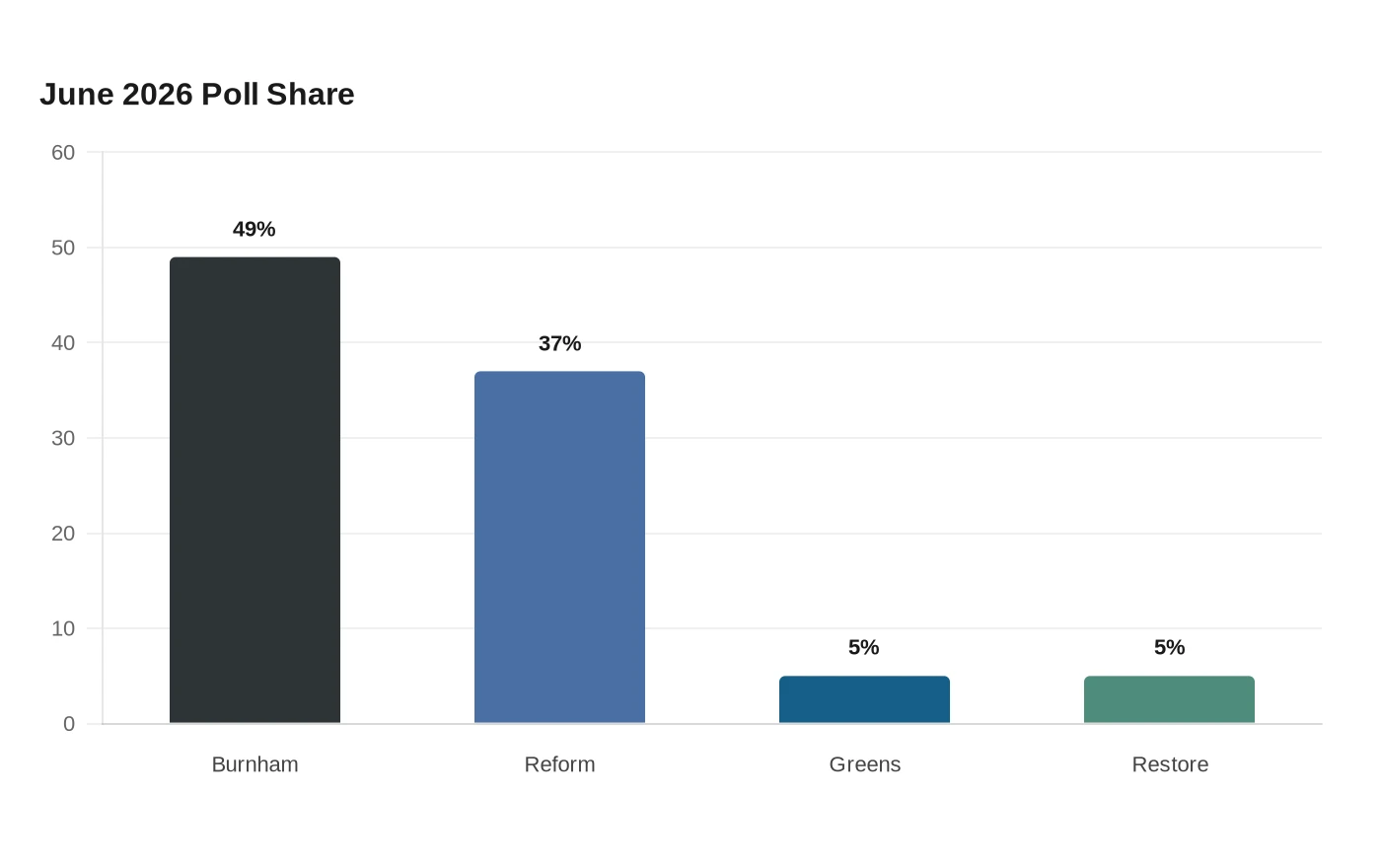
That balance matters because the right is divided. A June 2026 poll put Burnham on 49 percent and Reform’s Robert Kenyon on 37 percent, with the Greens and Restore Britain both on 5 percent. Nigel Farage has said Reform will throw “absolutely everything” at the seat, but his party is not alone in trying to capture anti-establishment voters. Rupert Lowe’s Restore Britain is also in the field after an acrimonious split last year, and that split could hand Burnham the breathing space he needs. If the conservative protest vote remains fractured, Labour does not need a dramatic swing to keep Makerfield.
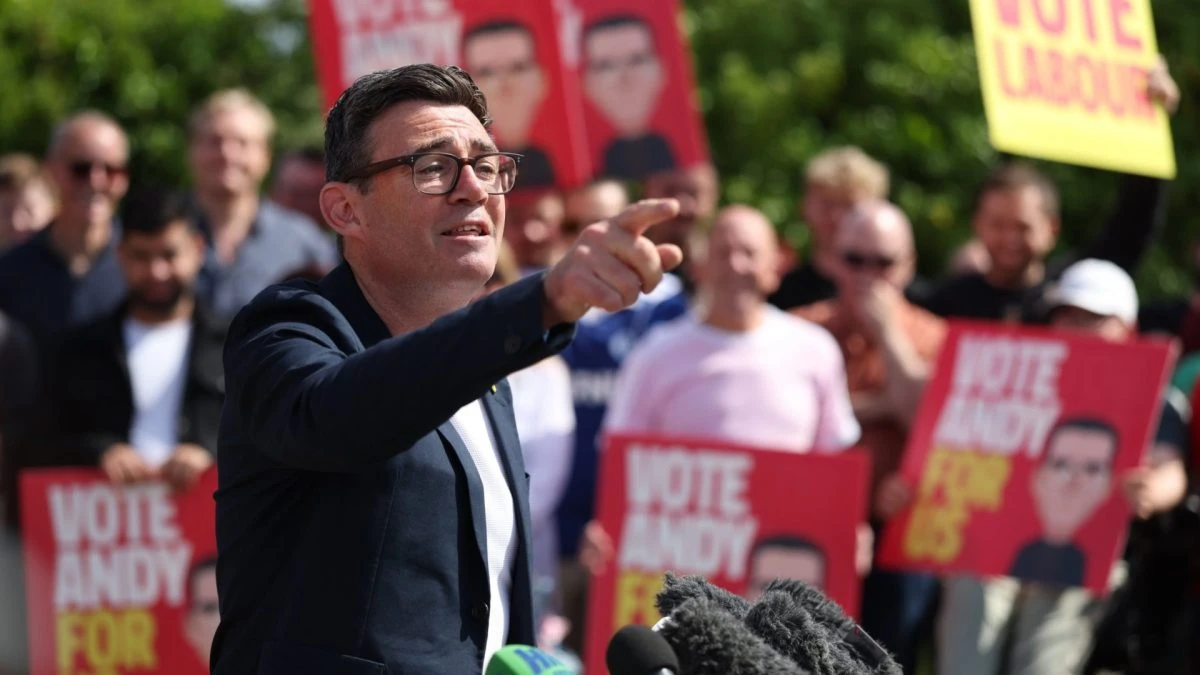
The historical warning is hard to miss. Makerfield is being compared with the 1965 Leyton by-election in east London, the last time a vacancy was deliberately created so a figure outside Parliament could stand. That effort ended badly for Labour when Patrick Gordon Walker lost the seat to Reginald Sorensen. Burnham’s path is not identical, but the precedent hangs over it all the same: a carefully managed return to Westminster can still unravel if the electorate treats the contest as a referendum on the party’s wider authority.
For Labour, Makerfield is a measure of whether a broad coalition can still survive in a country where the old two-party system is visibly breaking apart. For parties across democracies, it is a reminder that fragmentation can weaken opponents, but it can also expose how thin a governing majority becomes when politics stops sorting cleanly into two blocs.