Politics
Burnham eyes third Labour leadership bid after Westminster return
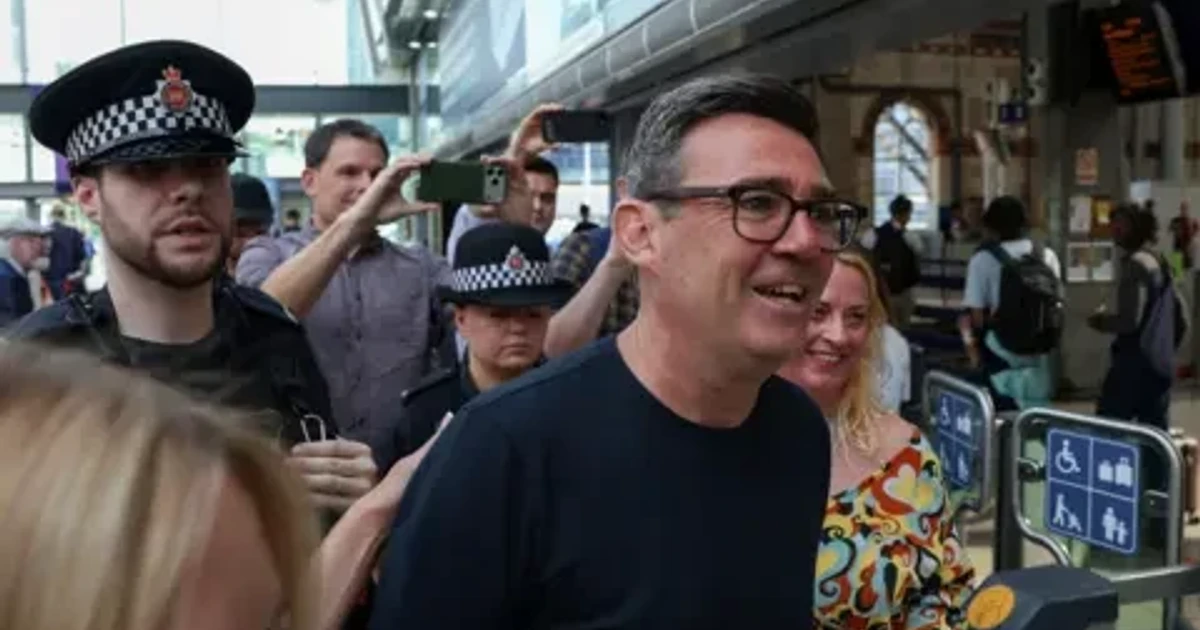
Andy Burnham’s return to Westminster has reopened a question Labour thought it had already settled: whether an executive mayor with a strong northern base can convert local authority into a national leadership case. The Greater Manchester mayor won the Makerfield by-election on June 19, 2026, giving him a seat in Parliament and immediately reviving speculation that he could challenge Keir Starmer for the Labour leadership and, ultimately, the premiership.
Burnham’s route back to the Commons carries political weight because it links his mayoral record to a fresh national platform. He first entered Westminster as MP for Leigh in 2001 and held the seat until 2017, when he stepped aside to become Greater Manchester’s first metro mayor. He has since won three successive terms in that office, including a 2024 re-election in which he secured 420,749 votes, or 63.4% of ballots cast, on a turnout of 32.05%.
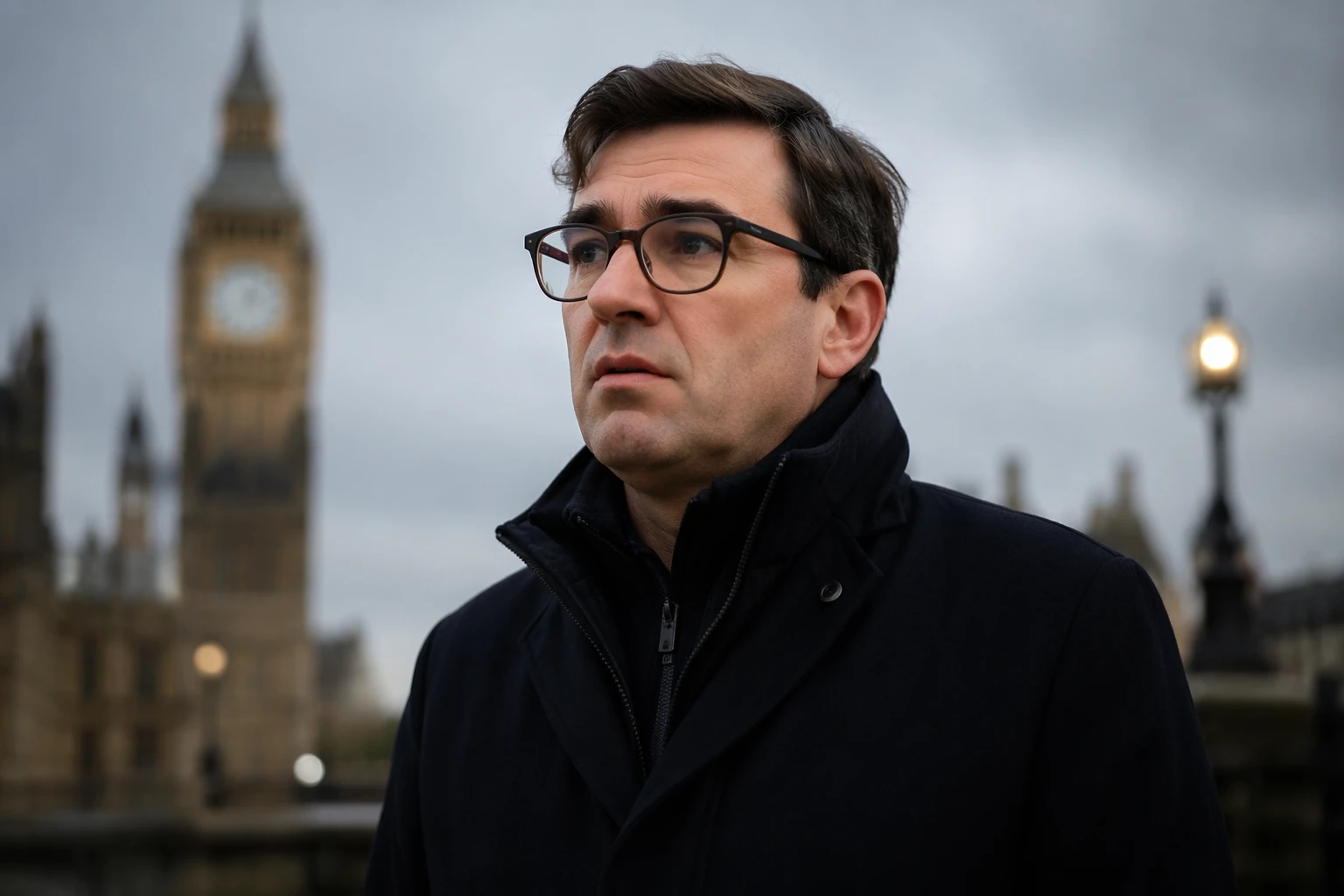
That record gives Burnham a claim to administrative competence, especially on the issues most closely associated with his leadership in Greater Manchester, including rough sleeping. It also gives him a concrete electoral argument: he has repeatedly turned out strong numbers across the city-region while Labour has struggled elsewhere to match that level of local dominance. For Burnham, the test is whether that brand of hands-on municipal leadership can be widened into a national governing pitch without losing its appeal.
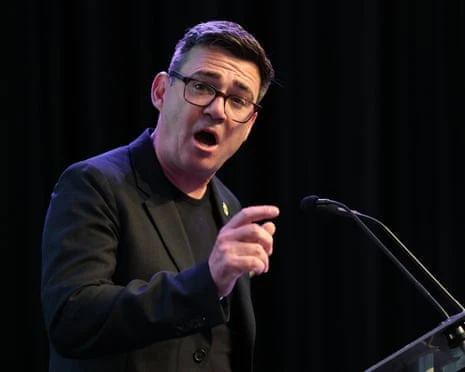
The answer is not obvious. Burnham’s appeal has long rested on a populist style and an image as a “King of the North” figure with particular strength in Labour’s northern heartlands. That can help him in a party still wrestling with its relationship to voters outside London, but it can also sit uneasily with Starmer’s more centralised leadership style and the party’s current attempt to project discipline from the top. Burnham already tried twice to capture Labour’s leadership, finishing fourth in the 2010 contest and then losing to Jeremy Corbyn in 2015.
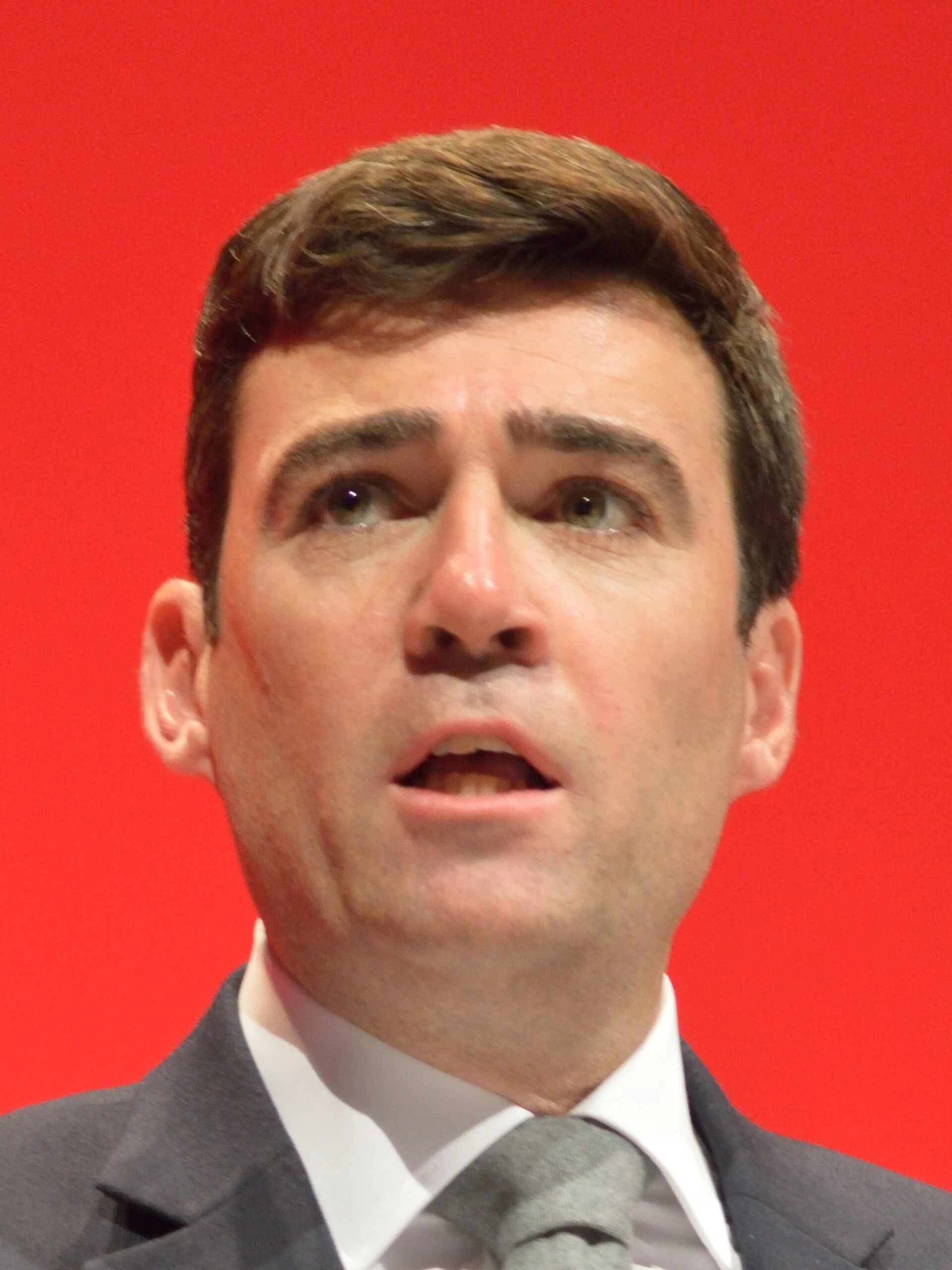
Starmer signalled on Friday, June 19, 2026, that he would not step aside if Burnham or any other challenger moved against him. That makes Burnham’s Westminster return more than a symbolic homecoming. It turns Labour’s internal balance of power into an open contest between a party machine built around Westminster and a mayor who is seeking to turn local executive power into a national mandate.
Sources
- [1]bbc.com
- [2]cbc.ca
- [3]uk.news.yahoo.com
- [4]independent.co.uk
- [5]channelnewsasia.com