Politics
Burnham faces economy, immigration and housing crises as PM looms
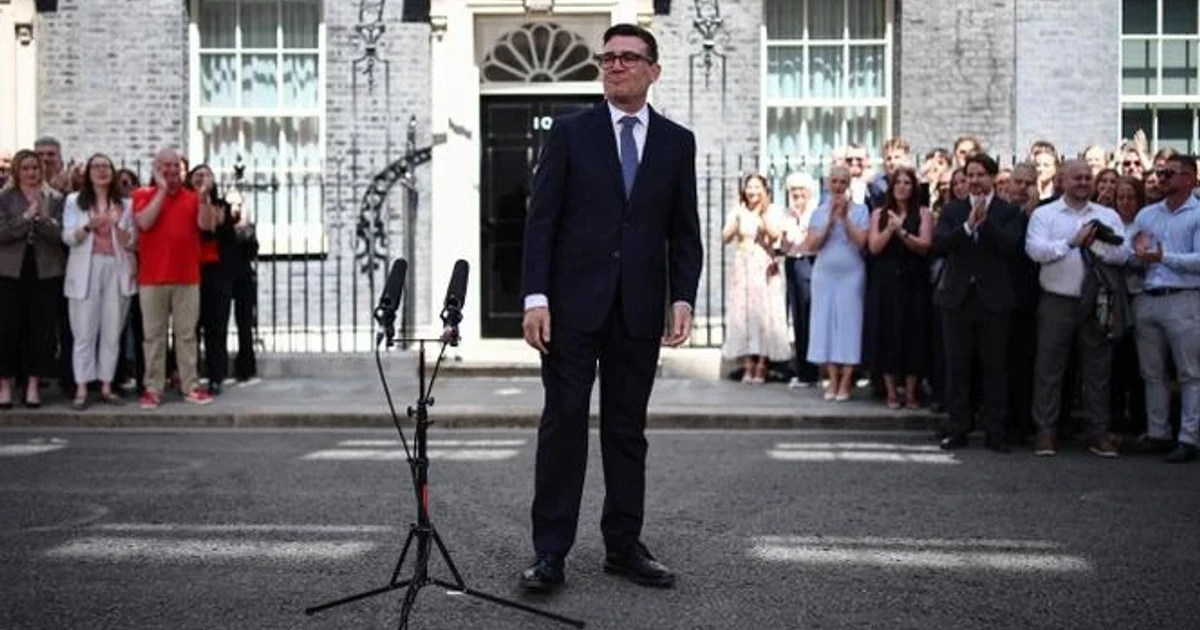
Andy Burnham entered Downing Street on Monday with the sort of inheritance that narrows a prime minister’s room for manoeuvre before the new administration has even settled in. He is stepping into “formidable and complex problems” that successive governments have tried, and mostly failed, to solve, from a weak economy to housing shortages and the politics of migration.
The harder reality for Burnham is not just the scale of the problems, but the political constraints around them. Fiscal room is tight, Labour MPs expect visible change quickly, and voters have little patience for another round of promises that take months to arrive and longer to deliver. That leaves him trying to reconcile campaign pledges with immediate trade-offs on borrowing, taxes and public spending.
The economy offers the least forgiving starting point
Burnham’s first test is an economy still marked by weak growth, a shortage of job opportunities and pressure on public finances. Those conditions are already weighing on borrowing and taxes, which means any new spending commitment has to be paid for somewhere else, whether through cuts, higher taxes or extra borrowing. That is the central constraint on his premiership: the state of the books leaves very little space for headline-grabbing giveaways.
The numbers attached to the incoming government underline the point. Burnham inherits a £4.7bn bill tied to the Defence Investment Plan, a reminder that even before he chooses a domestic spending priority, existing commitments are already eating into available headroom. In practice, that means the political cost of inaction may be lower than the fiscal cost of trying to move quickly.
The governing dilemma is “jobs, borrowing and taxes”: more support for growth can mean more borrowing, but tighter fiscal discipline can slow the very recovery Burnham needs to show.
Immigration and asylum are a political test as much as a policy one
If the economy is the hard arithmetic, immigration is the hard politics. Immigration is one of the UK’s most debated issues, and asylum reform is one of the biggest challenges facing the new government. That is not simply because the policy itself is difficult, but because it cuts across party factions, public opinion and the pressures of appearing decisive.
Burnham has already shown he is willing to take politically sensitive positions. He backed a controversial asylum bill despite Labour dissent, a sign that even before taking office he has been drawn into the kind of compromise that can alienate parts of his own coalition. Any attempt to tighten, speed up or rework the asylum system will be judged not only on results, but on whether it looks coherent with Labour’s broader message on fairness and competence.
The challenge is compounded by expectations inside and outside the party. A new prime minister who comes in promising order and competence has little room for a lengthy debate over process. Yet immigration policy is exactly the kind of area where fast announcements do not guarantee fast delivery. The danger for Burnham is that the public reads delay as drift, while his own party reads forceful action as a breach of principle.
Housing is the test that lands closest to daily life
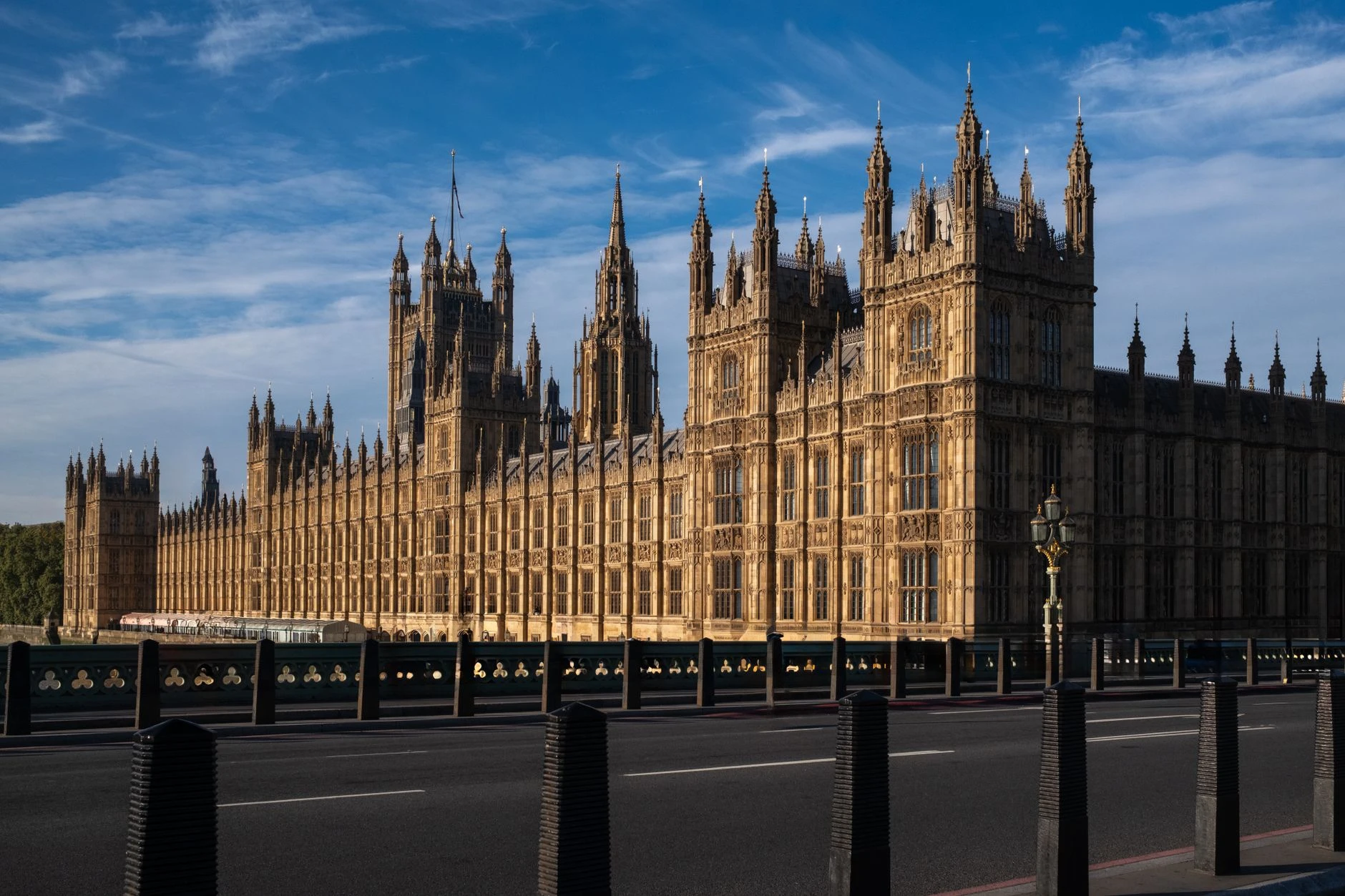
Housing is the other pressure point that could define the early months of his premiership. It is one of the few policy areas where abstract promises collide daily with rents, mortgages and overcrowding. Unlike some fiscal or procedural reforms, the housing problem is visible in almost every part of the country and impossible to hide behind Whitehall language.
The political trap is straightforward. If Burnham moves too slowly, he will be accused of failing to meet the urgency of the crisis. If he moves too aggressively, he may run into local opposition, planning disputes and the limits of public spending. The result is that housing becomes not just a policy file but a measure of whether the government can convert ambition into actual supply.
Housing often becomes the place where a new prime minister’s broader competence is judged. It is tied to productivity, labour mobility and household finances, but it is also one of the clearest examples of the gap between what a campaign can promise and what a government can get built.
His own early pledge shows the same trade-offs
Burnham’s promise to scrap VAT from household electricity bills, due to take effect in October, illustrates how quickly an election-style promise becomes a governing calculation. Former minister Darren Jones called the plan “unfunded”, while Business Secretary Jonathan Reynolds described it as “legitimate”. Those two descriptions capture the same fiscal tension from opposite sides: one warning that the measure lacks a clear revenue source, the other arguing that it fits within the bounds of responsible policy.

The electricity pledge is the kind of measure voters can understand instantly. It also exposes the limit of quick wins. A VAT cut on household bills would show action on living costs, but it does not resolve the deeper problems of growth, borrowing or housing supply.
Burnham’s meeting with trade union leaders before his premiership shows how carefully he is balancing the coalition that brought him close to power. The unions that help fund the Labour Party want a government that protects workers and living standards. Business groups and fiscal hawks want signs that the new administration can keep policy stable and credible. Travers Smith expects legal and policy changes affecting multiple sectors under Burnham.
A government born into impatience
The vast majority of Labour MPs nominated Burnham to replace Sir Keir Starmer, and he returned to Parliament only weeks earlier in the Makerfield by-election. That unusual route to office gives him authority inside the party, but it also heightens the expectation that he will move fast and visibly.
The broader backdrop is a Britain that has gone through repeated leadership turnover and now faces another change in direction. Burnham is entering office as the UK’s fifth prime minister in four years, a sign of political volatility that makes patience scarce and credibility expensive. That means the first months of his premiership will be judged less by what he says he wants to do than by which compromises he is willing to own immediately.
Sources
- [1]nytimes.com
- [2]bbc.com
- [3]aljazeera.com
- [4]theguardian.com
- [5]bbc.co.uk
- [6]manchestereveningnews.co.uk
- [7]traverssmith.com