Politics
Burnham pauses early prison release plans after backlash from victims
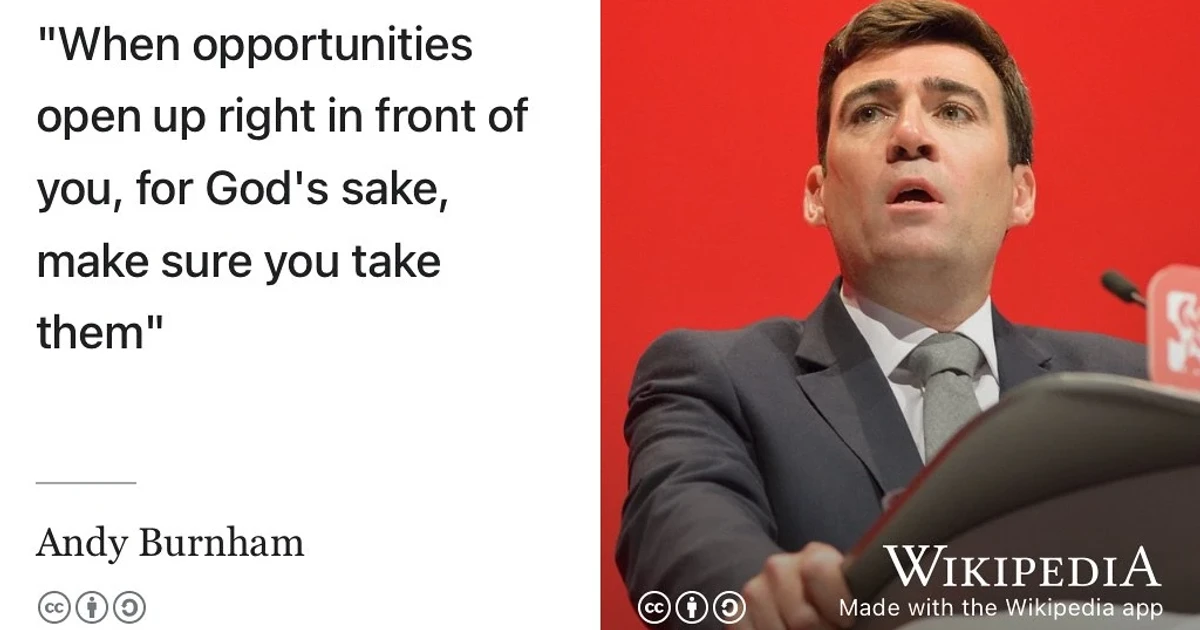
Andy Burnham paused plans for early prison release after a backlash from survivors and victims' families, stalling a scheme designed to ease prison overcrowding in England and Wales. The move put a political lid on a policy that was supposed to take effect in September and relieve pressure on a system already forced toward emergency fixes.
Under the Sentencing Act 2026, some offenders were set to become eligible for early release from September, with some 6,000 criminals due to be released under the scheme. That scale turned an administrative adjustment into a national dispute: the plan was not a minor easing of sentences, but a mass release mechanism intended to create room in prisons that are running short of capacity.

The backlash intensified after criticism from victims' families, including the widow of PC Andrew Harper. Their objections cut to the central tension in the policy: a measure framed as a solution to overcrowding was being presented to the public as a risk to victims, especially where the scheme could shorten custody for people convicted of serious crimes.
Kemi Badenoch seized on that clash and called for emergency legislation to stop the scheme. The Conservative leader said she would back emergency laws to prevent rapists and killers from serving much-reduced sentences, and she also sought a vote to exempt sex offenders from the early prison release scheme. That would narrow the pool of prisoners who could benefit, but it would not create new prison places.

The dispute has now become a test of whether Parliament can write a quick fix that satisfies victims' groups without exposing the deeper overcrowding problem. Emergency legislation could block the September releases, but it would also leave the underlying capacity crisis in place, forcing ministers back to the same question that produced the scheme in the first place: how to keep prisons operating when the system cannot hold everyone serving time.
Sources
- [1]bbc.co.uk
- [2]bbc.com
- [3]itv.com
- [4]telegraph.co.uk
- [5]the-independent.com
- [6]theguardian.com
- [7]channel4.com